
Plants
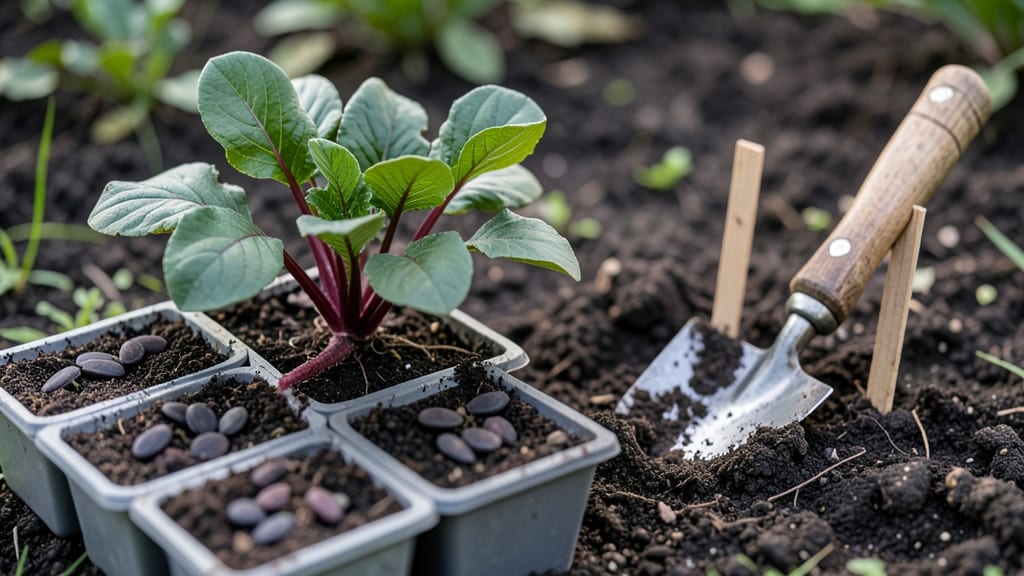
Timing your beet planting in Maine isn't just about calendar dates—it's about beating the frost while giving those 🍠 roots enough time to sweeten up before winter sets in. Plant too early, and you’ll end up with bitter greens; too late, and you’ll miss the harvest window entirely.
The key is working with Maine’s 5b-6a climate, where frost can linger well into May or arrive as early as October.
Most gardeners in Maine swear by early spring planting in March or April, just as the soil warms but before the heat sets in.
But there’s a trick to extending your harvest: late summer plantings in July or August can still yield beets by fall, if you choose fast-maturing varieties. The secret? Frost-resistant types like ‘Detroit Dark Red’ or ‘Golden Beet’ that thrive in our cool seasons.
What I’ve learned from years of trial and error is that soil prep matters just as much as timing. Beets need well-drained, loose soil to prevent woody roots, and a little compost goes a long way in Maine’s rocky terrain.
Pair that with consistent moisture—1 inch per week—and you’ll be rewarded with tender roots ready for harvest by June or September, depending on your planting window.
Ready to master the art of beet growing in Maine? I’ll walk you through the exact planting schedule, frost dates, and variety recommendations that have worked for me—so you can enjoy homegrown beets from early summer straight through fall.
Best planting times for beets in Maine’s climate zones
Maine’s climate—with its cool springs, late frosts, and short growing season—demands precise timing for successful beet harvests. Unlike warmer climates, beets in Maine thrive when planted during two key windows: early spring and late summer.
Each zone—Southern, Coastal, and Northern Maine—has unique frost dates that dictate your planting schedule.
For Southern Maine (USDA Zone 5b), the last frost typically arrives by mid-April, giving you a head start. Meanwhile, Northern Maine (Zone 6a) often waits until late April to early May for safe planting.
Coastal areas may experience slightly milder conditions, extending your window by 1-2 weeks. Understanding these nuances ensures your beets avoid frost damage or bolting from heat stress.
Here’s a quick reference for Maine’s beet planting zones, including frost dates and ideal varieties:
| Zone | Last Frost | First Frost | Best Planting Window | Frost-Resistant Varieties |
|---|---|---|---|---|
| Southern Maine (5b) | Mid-April | Mid-October | March 20–April 15 (Spring) / July 15–August 10 (Fall) | ‘Detroit Dark Red’, ‘Golden Beet’ |
| Coastal Maine (5b) | Late April | Early November | April 1–April 20 (Spring) / July 20–August 15 (Fall) | ‘Chioggia’, ‘Lutz Winter Keeper’ |
| Northern Maine (6a) | Early May | Late September | May 1–May 15 (Spring) / July 1–July 15 (Fall) | ‘Boltardy’, ‘Detroit Dark Red’ |
For spring planting, aim to sow seeds 4–6 weeks before your last frost date. In Southern Maine, this means starting as early as late March, while Northern Maine gardeners should wait until early May.
Use row covers or cold frames to extend your season if needed. Beets like cool soil, so avoid planting when temperatures exceed 75°F, or they’ll bolt prematurely.
Late summer planting is your second chance for a fall harvest. Sow seeds 8–10 weeks before your first frost date. In Coastal Maine, this translates to mid-July, while Northern Maine can plant until early August.
Choose fast-maturing varieties like ‘Babybeat’ or ‘Detroit Dark Red’ to ensure harvest before frost. These varieties tolerate cooler temperatures better than heat-sensitive types.
If you’re in Zone 5b or 6a, consider succession planting every 2 weeks from spring through summer. This staggered approach ensures a continuous harvest from June through October.
For example, plant a batch in late March, another in early May, and a final one in mid-July. This method maximizes your yield despite Maine’s limited growing season.
Always prepare your soil with compost or aged manure to improve drainage and fertility. Beets prefer loamy soil with a pH of 6.0–7.0. Test your soil in early spring and amend it if necessary.
Avoid fresh manure, which can cause nitrate buildup and lead to bitter-tasting roots. Mulch with straw or grass clippings to retain moisture and suppress weeds, especially during Maine’s unpredictable rain.
For coastal gardeners, take advantage of the milder microclimate. Plant 2 weeks earlier than inland areas and extend your fall harvest by 3–4 weeks using row covers. Coastal soils often retain moisture longer, reducing the need for frequent watering.
However, watch for salt spray near the shore, which can stress plants. If your garden is close to the coast, flush the soil with fresh water before planting.
One of my favorite Maine-friendly varieties is ‘Boltardy’—it’s heat-tolerant and bolt-resistant, making it ideal for our unpredictable summers. Another top pick is ‘Golden Beet’, which stores well and adds a sweet, earthy flavor to soups and salads.
For colorful greens, try ‘Chioggia’, whose striped roots are a stunning addition to any plate.
Remember, timing is everything in Maine’s garden. By following these zone-specific guidelines and choosing the right varieties, you’ll enjoy sweet, homegrown beets from early summer through fall. Happy planting! 🌱
How to extend your beet harvest season in Maine
Maine’s short growing season doesn’t mean you’re limited to a single beet harvest. With the right strategies, you can enjoy fresh beets from early summer through late fall—or even winter with a little extra protection.
The key is succession planting, season extenders, and smart variety selection tailored to Maine’s cool climate.
I’ve learned that beets planted in late July or August can still mature before frost if you choose fast varieties like ‘Early Wonder’ or ‘Babybeat,’ while early plantings in March or April give you a head start.
One of my favorite tricks is using row covers or low tunnels to shield beets from early fall frosts. These simple tools can push your harvest window back by 2-4 weeks, giving you time to enjoy tender roots when other gardeners are packing it in.
Pair that with cold frames for winter harvests, and you’ll have beets on the table year-round. The secret? Start with well-prepared soil—amended with compost and loosened to prevent woody roots—and keep moisture consistent to avoid stress.
Don’t overlook companion planting either. Beets thrive alongside lettuce, onions, and bush beans, while avoiding pole beans, strawberries, or cabbage family plants, which compete for nutrients.
In my garden, I’ve found that planting beets in 3-foot-wide rows with lettuce on one side and onions on the other maximizes space and deters pests naturally. The lettuce shades the soil to retain moisture, while onions repel beet leaf miners—a common Maine pest.
🌱 5 Proven Ways to Extend Your Maine Beet Harvest
-
1. Succession Plant Every 2 Weeks
Start with early spring plantings in March, then sow seeds every 2 weeks until mid-July for continuous harvests. -
2. Use Row Covers for Fall Protection
Install floating row covers in late August to shield beets from light frosts, extending harvests into October or November. -
3. Opt for Fast-Maturing Varieties
Choose ‘Early Wonder’ (50 days) or ‘Babybeat’ (45 days) for late summer plantings to beat Maine’s first frost. -
4. Build a Cold Frame for Winter Harvests
A simple cold frame can keep beets growing under snow, yielding tender roots even in December or January if planted early. -
5. Mulch Heavily in Fall
Apply 4-6 inches of straw mulch in late September to insulate soil and protect roots from temperature swings.
Spacing is another critical factor I’ve perfected over the years. Plant beet seeds 1-2 inches apart and thin seedlings to 3-4 inches once they’re 2 inches tall. This prevents overcrowding, which leads to small, misshapen roots—a common frustration in Maine’s rocky soil.
If you’re short on space, try intercropping with shallow-rooted plants like radishes or spinach, which mature quickly and free up room for beets later in the season.
For those willing to go the extra mile, container growing is a game-changer. Beets thrive in 5-gallon buckets or deep pots with well-draining soil, making them perfect for patios or balconies. I’ve had success with ‘Little Ball’ beets in containers, harvesting baby-sized roots every 4-6 weeks straight through fall.
Just ensure containers have drainage holes and you’re watering consistently—beets in pots dry out faster than in-ground plants.
Finally, don’t underestimate the power of soil health. Maine’s acidic soils often need a boost, so I mix in aged compost or peat moss to raise the pH slightly (aim for 6.0–7.0).
A soil test is worth the investment—it’ll tell you exactly what amendments your beets need to thrive. With these strategies, you’ll turn Maine’s short season into a year-round beet bonanza, from sweet spring harvests to frost-tender fall treats.