
Plants
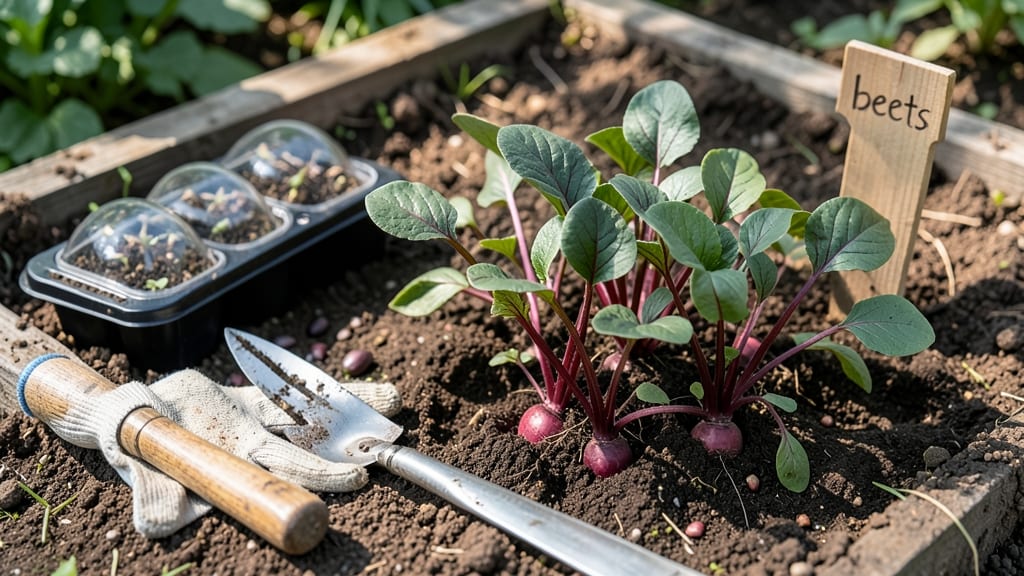
Timing your beet planting in Nebraska can mean the difference between sweet, tender 🍠 roots and bitter, woody failures—especially when late frosts linger past April 15 or early freezes sneak in by October 15.
Most gardeners in USDA zones 5b-6a miss the ideal windows because they don’t account for Nebraska’s unpredictable swings between 50°F mornings and 80°F afternoons.
I’ve learned the hard way that planting too early risks bolting, while waiting too long cuts your harvest short. The secret lies in two precise windows: March 15–April 30 for spring crops and September 1–October 15 for fall, with soil temps and frost dates as your guides.
Let’s break down exactly when to start seeds for a bumper crop before the first freeze.
What’s more frustrating than pulling up a beet only to find it’s turned woody or split open? In Nebraska’s 150-day growing season, every week counts. By mastering these planting dates—and a few pro tips for soil prep and spacing—you’ll enjoy fresh beets from June through November without the guesswork.
Ready to ditch the trial-and-error? I’ll walk you through the exact steps to time your plantings, choose the right varieties for your microclimate, and even how to stretch your harvest with simple tricks. Your garden’s about to get a whole lot sweeter.
Best planting months for beets in Nebraska’s 3 climate zones
Nebraska’s diverse climate—from Omaha’s humid continental zone to western Nebraska’s semi-arid regions—means your beet planting schedule should align with local frost patterns.
In Omaha (Zone 5b), last frosts average April 15, while Lincoln (Zone 6a) sees them slightly earlier, and western Nebraska (Zone 5a) can experience late frosts until May 1. These differences directly impact when to sow seeds for sweet, tender roots before woody textures develop.
For all regions, spring planting starts when soil reaches 50°F (10°C), typically mid-March to early April in eastern Nebraska and late March to mid-April in western areas. Fall planting begins 8-10 weeks before first frost, usually early September in the east and mid-September in the west.
Adjusting for these microclimates ensures your beets mature before Nebraska’s first hard freeze in October.
Key adjustment tip: Use black plastic mulch in early spring to warm cool soils in western Nebraska, allowing earlier planting. In Omaha’s humid zone, prioritize well-draining soil to prevent rot from spring rains. These regional tweaks can extend your harvest window by 2-3 weeks on either end.
| Climate Zone | Spring Planting Window | Fall Planting Window | Last Frost Date | Soil Warming Tip |
|---|---|---|---|---|
| Omaha (Humid Continental) | March 15 - April 15 | September 1 - September 30 | April 15 (avg) | Use raised beds for drainage |
| Lincoln (Transitional) | March 20 - April 20 | September 10 - October 5 | April 10 (avg) | Plant near south-facing fences |
| Western NE (Semi-Arid) | April 1 - April 30 | September 15 - October 10 | May 1 (avg) | Use black plastic mulch |
In Omaha’s humid climate, I recommend starting seeds indoors by March 1 for a head start, then transplanting after last frost. The transitional zone around Lincoln benefits from succession planting every 2 weeks from April to June to maintain a steady harvest.
For western Nebraska’s drier conditions, focus on deep watering (1-2 inches per week) to prevent bolting.
For all regions, fast-maturing varieties like ‘Detroit Dark Red’ (58 days) or ‘Babybeat’ (45 days) are ideal for Nebraska’s short season. In Omaha’s Zone 5b, aim to harvest by mid-July to avoid bolting from summer heat.
In western Nebraska’s Zone 5a, extend fall harvests by planting ‘Golden’ varieties, which tolerate cooler soils better.
Pro tip: Test soil temperature with a thermometer—beets need soil at 50°F (10°C) to germinate. In cool western Nebraska, wait until soil warms naturally or use row covers to accelerate germination. This simple check prevents wasted seeds and ensures uniform sprouting across all regions.
Don’t overlook fall planting—it’s often more productive in Nebraska. Start seeds indoors by August 15 for transplanting in early September. In Omaha’s Zone 5b, you can harvest until early November before hard frosts set in.
In western Nebraska, protect late-season plants with straw mulch to extend harvests by 2-3 weeks.
Remember: Beets are cold-hardy but won’t germinate in frozen soil. If early spring brings unpredictable frosts, wait until soil is workable (no longer muddy) before planting. This patience pays off with sweeter, more tender roots and fewer bolted plants.
For gardeners in Lincoln’s transitional zone, I’ve found that planting in late April (after soil warms) yields the best balance of early harvests and avoiding summer bolting. Pair this with drip irrigation to maintain consistent moisture, which is critical for Nebraska’s variable rainfall patterns.
How to extend your beet harvest season in Nebraska
Nebraska’s short growing season and unpredictable frost dates can make it tricky to enjoy fresh beets year-round. But with the right strategies, you can harvest sweet, tender roots from early spring to late fall.
The key lies in succession planting, frost protection, and selecting fast-maturing varieties that thrive in Nebraska’s USDA Zones 5b-6a. Let’s break down how to stretch your beet harvest as long as possible.
Start with early spring plantings in March or April, then follow up with mid-summer succession plantings in July for a fall harvest. This staggered approach ensures a continuous supply of beets before the first frost hits around mid-October.
For best results, pair these methods with cold-hardy varieties that can withstand Nebraska’s temperature swings—think Detroit Dark Red or Golden Beet, both of which mature quickly and tolerate cooler weather.
Here’s how to maximize your beet harvest with a step-by-step guide tailored to Nebraska’s climate:
- 🌱 Plant in early spring (March 15-April 15) for a June harvest. Use row covers to protect seedlings from late frosts.
- 🌿 Sow succession plantings every 2-3 weeks from May through July for a continuous harvest until frost.
- ☀️ Choose fast-maturing varieties like ‘Babybeat’ (45 days) or ‘Chioggia’ (50 days) to avoid woody roots in Nebraska’s heat.
- 💧 Water deeply 1-2 inches per week, especially during Nebraska’s dry spells, to prevent bolting.
- ❄️ Protect fall plantings with row covers or mulch when temperatures dip below 40°F to extend the harvest into November.
One of the biggest challenges in Nebraska is bolting, where beets send up flower stalks too early. To prevent this, keep soil consistently moist and avoid planting too early when temperatures fluctuate. If you notice leaves yellowing or stems elongating, your beets are stressed—either from heat or drought.
Shade cloth can help during Nebraska’s scorching summer afternoons, giving your plants a reprieve while still allowing enough light for growth.
For a fall harvest, plant your last succession crop in early September. Use black plastic mulch to warm the soil and extend the growing season by 2-3 weeks. This method works especially well in western Nebraska, where cooler nights can slow beet growth.
Pair this with a light fertilizer application (like 5-10-10) at planting to give your fall beets a strong start before the first frost.
Don’t forget to harvest regularly—beets left in the ground too long become tough and woody. Aim to pull roots when they’re 1-3 inches in diameter, which usually takes 50-60 days depending on the variety.
Store freshly harvested beets in a cool, dark place (like a root cellar) to enjoy them long after your garden beds are covered in snow. With these strategies, you’ll have fresh beets from May through November, making the most of Nebraska’s growing season!