
Plants
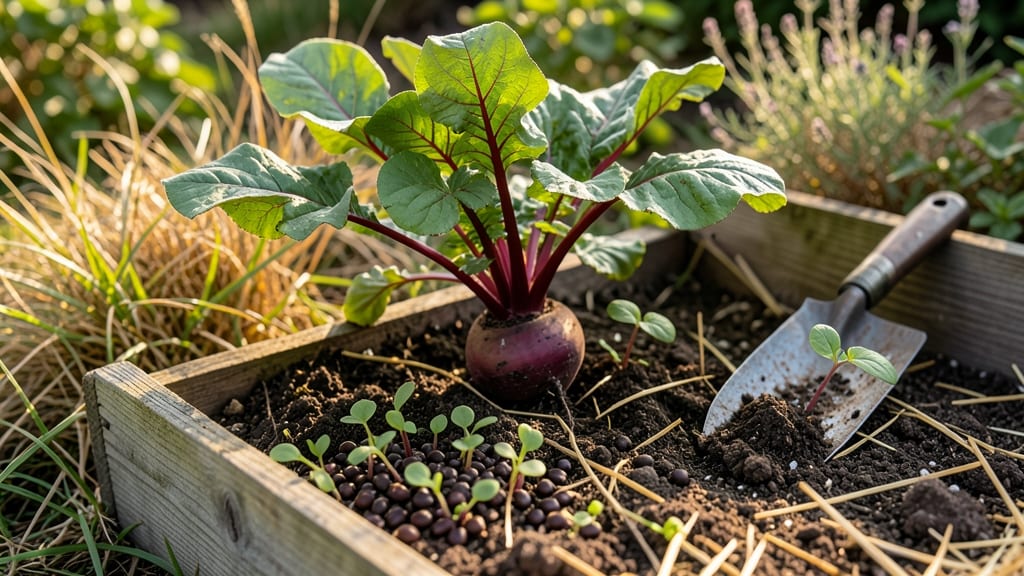
Planting beets in North Carolina at the wrong time can mean the difference between a bountiful harvest and wasted seeds.
While many gardeners focus on when to plant, the real secret lies in soil temperature—too cold, and your seeds won’t germinate; too hot, and they bolt before you get a chance to enjoy them.
I’ve learned that the ideal window for beets in NC is early spring (March–April) or late summer (August–early September), when soil temps hover between 40°F and 85°F. This timing ensures fast sprouts and avoids the common pitfalls of slow growth or pests stealing your 🍠 harvest before it matures.
Whether you’re in the Piedmont or Coastal Plain, understanding these microclimate differences can double your success rate. I’ll break down exactly how to time your plantings for maximum yields, plus pro tips to extend your harvest season—so you’re enjoying homegrown beets from June through November.
Ready to skip the guesswork? Let’s dive into the soil temp tricks that’ll have your beets thriving in no time.
Best planting times for beets in North Carolina by soil temperature
North Carolina’s diverse climate—from the Coastal Plain to the Piedmont Mountains—creates distinct planting windows for beets. The key to success lies in soil temperature, which dictates germination speed and plant vigor.
Beets thrive when soil reaches 40°F–85°F, with ideal ranges varying by season. In USDA Zones 7a–8b, timing your plantings to match these thresholds ensures faster sprouts and healthier roots.
Spring plantings should begin when daytime temperatures consistently stay above 50°F and soil warms to 50°F–65°F. In most of NC, this aligns with mid-March to early April in the Piedmont and late March to early May along the coast.
Fall plantings, however, require cooler soil—aim for 60°F–75°F—typically late July to early September before summer’s heat fades. Missing these windows risks slow germination or pest pressure.
Here’s a quick reference for NC’s microclimates, including adjustments for Piedmont vs. Coastal regions:
| Planting Window | Soil Temp Range (°F) | Piedmont (Zones 7a-7b) | Coastal (Zones 8a-8b) | Germination Time |
|---|---|---|---|---|
| Early Spring | 50°F–65°F | Mid-March to early April | Late March to early May | 7–14 days |
| Late Summer | 60°F–75°F | Late July to early August | Early August to mid-September | 5–10 days |
| Fall | 55°F–70°F | Early September to mid-October | Mid-September to late October | 7–12 days |
Note: Adjust for microclimates—mountainous areas may need earlier spring plantings.
For fastest germination, prioritize soil temperatures between 55°F–70°F. In the Piedmont, this often means starting seeds indoors in early March and transplanting after the last frost (typically March 15).
Coastal gardeners can sow directly outdoors as early as late February, thanks to milder winters. Always test soil temperature with a soil thermometer—cold soil delays germination by weeks.
Fall plantings offer a second harvest window but require careful timing. Sow seeds 8–10 weeks before your first expected frost (usually early September in the Piedmont, mid-September along the coast).
This ensures beets mature before temperatures drop below 40°F, which stunts growth. Use row covers to extend the season if frost arrives early.
North Carolina’s Coastal Plain regions (like Wilmington) enjoy longer growing seasons, allowing for two full harvests—spring and fall. Meanwhile, the Piedmont (Raleigh, Asheville) benefits from cooler nights in summer, making late July plantings ideal.
Always account for your local last frost date: November 15 is the average for most of NC, but elevations above 3,000 feet may see frost earlier.
Pro tip: Plant bolting-resistant varieties like ‘Detroit Dark Red’ or ‘Golden’ in summer to avoid heat stress. These varieties tolerate NC’s 85°F–90°F summer soil temperatures better than standard types. For cooler microclimates (e.g., mountain gardens), opt for ‘Chioggia’ or ‘Babybeat’, which mature quickly in 50°F–60°F soil.
Succession planting every 2–3 weeks after your initial sowing ensures a continuous harvest. In NC’s climate, this means planting again in mid-April, late May, and early September for a staggered yield. Space seeds 1–2 inches apart and thin to 3–4 inches once seedlings emerge to prevent competition.
Monitor soil moisture closely—beets need consistent watering (1 inch per week) to prevent woody roots. In NC’s humid summers, mulch with straw or shredded leaves to retain moisture and suppress weeds. Avoid overhead watering to reduce fungal risks like leaf spot, common in NC’s damp summers.
By aligning your plantings with soil temperature thresholds and regional adjustments, you’ll maximize your beet harvest in North Carolina—whether you’re growing for fresh eating, pickling, or roasting. Happy gardening! 🌱
How to extend your beet harvest season in North Carolina
North Carolina’s mild winters and extended growing season let you enjoy fresh beets almost year-round—but only if you plant strategically. The key is succession planting in early spring, late summer, and fall, combined with cold-hardy varieties that thrive in NC’s USDA zones 7a–8b.
I’ve found that spacing plantings 2–3 weeks apart ensures a continuous harvest from June through November, even in the Piedmont’s cooler climate.
For a truly extended season, focus on three planting windows: early spring (March), late summer (August), and early fall (September). Each window requires different varieties and protective measures to beat NC’s unpredictable weather.
Let’s break down the exact steps to maximize your harvest without losing plants to heat stress or early frosts.
- 🌱 Early Spring (March): Plant cold-tolerant varieties like 'Detroit Dark Red' 4–6 weeks before last frost (avg. March 15). Use row covers if nights dip below 40°F.
- 🌿 Late Summer (August): Choose heat-resistant types like 'Chioggia' when soil temps drop below 85°F. Succession-sow every 2 weeks for fall harvests.
- 🍂 Early Fall (September): Opt for fast-maturing varieties (e.g., 'Babybeat') to harvest before first frost (avg. November 15). Mulch heavily to retain warmth.
- ❄️ Winter Protection: Use low tunnels or thick mulch to extend harvests into December. Varieties like 'Golden' tolerate light frosts better than others.
One of my favorite tricks is interplanting beets with radishes. Radishes mature in just 30 days, giving you an early harvest while the beets establish. After pulling the radishes, the beets have more space to grow without competition.
This dual-planting strategy also deters pests like leaf miners, which are less likely to target a mixed bed.
Don’t overlook succession planting in late summer. Start sowing seeds every 10–14 days from mid-August through early September to ensure a steady supply of baby beets for salads. The goal is to have young roots ready to harvest before the first hard frost hits.
I’ve had success with 'Early Wonder', which matures in just 50 days—perfect for a quick turnaround.
For the most cold-hardy harvests, consider planting a final batch in late September under floating row covers. These lightweight fabrics protect against light frosts (down to 25°F) and can extend your season by 4–6 weeks.
Just remember to remove covers during the day to prevent overheating. This method has let me enjoy beets well into December in my Zone 7b garden.
Finally, always keep an eye on soil moisture during these extended seasons. Beets need consistent watering—about 1 inch per week—but avoid waterlogging, which causes rot. In fall, reduce watering slightly as temperatures drop, but never let the soil dry out completely.
With these strategies, you’ll turn NC’s climate into your beet-growing advantage! 🌱