
Plants
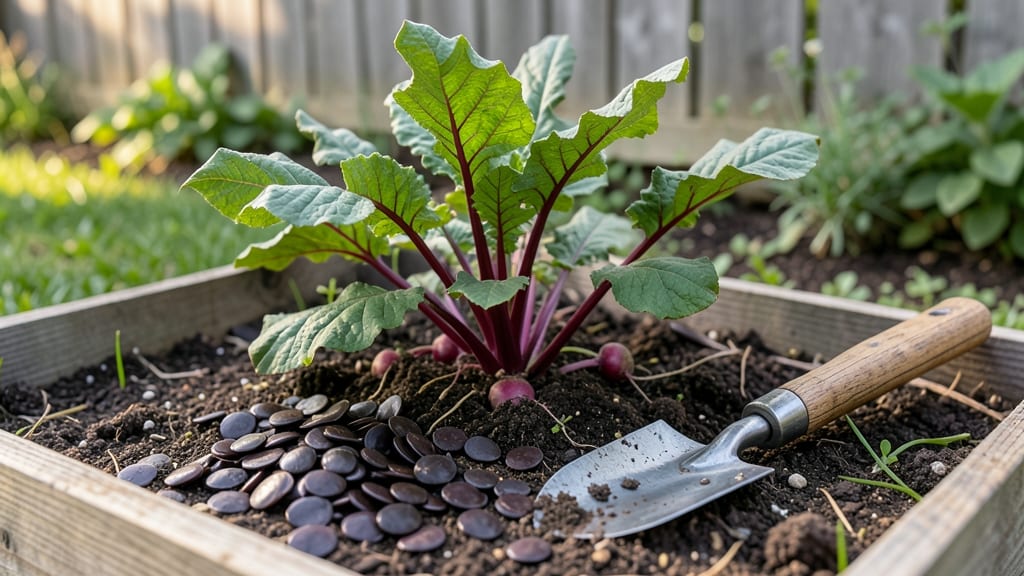
Planting beets in Oregon at the wrong time can turn your crisp, sweet harvests into tough, woody disappointments—but getting the timing right means juicy, vibrant 🍠 roots all season long.
With Oregon’s varied climate—from the cool, damp coast to the hot inland valleys—knowing when to plant beets isn’t just about following a calendar. It’s about reading your local microclimate, whether you’re in Portland’s USDA Zone 8 or the High Desert’s Zone 7.
Too early, and your seeds rot; too late, and you miss the sweet window before summer heat sets in.
I’ve grown beets in Oregon for years, and the key is planting in early spring (March-April) or late summer (July-August) to align with soil temperatures and frost patterns. Coastal areas have a longer window, while inland spots need to act fast before the heat arrives.
Let’s break down the exact timing for your region—and how to stretch your harvest season for continuous tasty beets.
Ready to avoid the common mistakes that turn beets bitter or stunted? I’ll show you how to time your plantings for perfect, restaurant-worthy roots—no guesswork required.
Oregon’s ideal beet planting windows: spring vs fall timing guide
Oregon’s diverse climate—from the cool coastal fog of Cannon Beach to the hot, dry summers of Bend—creates unique challenges for beet growers. Unlike many vegetables, beets thrive in moderate temperatures and consistent moisture, making timing critical.
Plant too early, and you risk bolting or rot; too late, and your harvest suffers from woody texture or pest pressure.
Beets need soil temperatures of at least 45°F to germinate, but Oregon’s microclimates mean your ideal window depends on where you live. The Willamette Valley (like Portland) has later frosts than the High Desert (like Prineville), while the Coast Range stays cooler longer.
Below, we break down the best spring and fall planting windows for each region, plus how to adjust for early/late seasons.
Pro Tip: Use a soil thermometer to confirm readiness—beets won’t sprout in cold, wet soil, even if calendar dates suggest it’s time. Aim for 50-70°F soil for fastest germination.
In the Willamette Valley, where I garden in Portland, I start seeds indoors in late February for early March transplanting. The goal is to harvest before summer heat sets in—beets left in 90°F+ soil develop a bitter, woody flavor.
For fall planting, I aim to finish sowing by mid-August to ensure roots mature before frost.
For cooler coastal areas, like the Coast Range, delay planting until after May 15 to avoid spring frosts. Use row covers if planting early, but remove them during the day to prevent overheating.
In the High Desert, where summers are hot, opt for shade cloth or succession planting every 2 weeks to stretch the harvest window.
If you’re unsure about your local frost dates, check the Oregon State University Extension Service frost maps or use a frost calendar app. I rely on Almanac’s Frost/Freeze Tool to input my ZIP code and get precise last frost predictions.
For urban gardeners in containers, add 2-3 weeks to these windows—pots cool faster than
5 Signs your Oregon beet planting timing is perfect (or a disaster)
Perfect beet timing in Oregon isn’t just about checking a calendar—it’s about reading your garden’s signals. When I plant my beets at the right moment, I see rapid leaf growth within 10-14 days, while poor timing leads to stunted, yellowing seedlings.
The key is balancing soil warmth (at least 45°F) with moisture retention, especially in Oregon’s variable climate.
Oregon’s USDA Zones 7-9 create microclimates where coastal areas (like Astoria) can plant earlier than inland spots (like Bend). I’ve learned to watch for pest activity spikes—like leaf miners—after early plantings, which signal it’s too soon.
Meanwhile, bolting (premature flowering) in summer heat means I waited too late.
Here’s how to spot perfect timing—or disaster—before you’ve even harvested your first beet:
- 🌱 Seedlings emerge in 7-14 days with 2-3 inch leaves—a sign soil is warm enough (45°F+). If they take longer, your soil’s too cold.
- 💧 Soil stays moist but not soggy—stick your finger in 1 inch deep. If it’s dry, water immediately; if it’s muddy, wait for warmer days.
- 🐛 Pest pressure is low—few leaf miners or aphids mean you planted before their spring surge. High pest activity? You’re too early.
- ☀️ Leaves grow 1 inch per week in consistent sunlight. Slower growth? Your plants need more light or warmth.
- ❌ Red flags: Yellowing leaves = too much water; bolting (flower stalks) = too hot; rot = planted in cold, wet soil.
For Zone 7 areas (like Bend or La Grande), aim for March 15-April 15 plantings, while Zone 9 (like Medford) can start as early as February 15. I adjust by 2-3 weeks based on local frost dates—check OSU Extension’s frost maps for your exact zone.
Pro tip: Plant a test row 2 weeks before your target date. If the first true leaves appear within 10 days, you’re golden. If not, wait another week. This simple trick saves me from wasted seeds and bitter harvests every year.
Remember, Oregon’s fall plantings (July-August) need the same attention. Watch for soil drying in summer—mulch heavily to retain moisture and prevent bolting from heat stress. When I nail these signs, my beets grow sweet and tender, not tough and woody.