
Plants
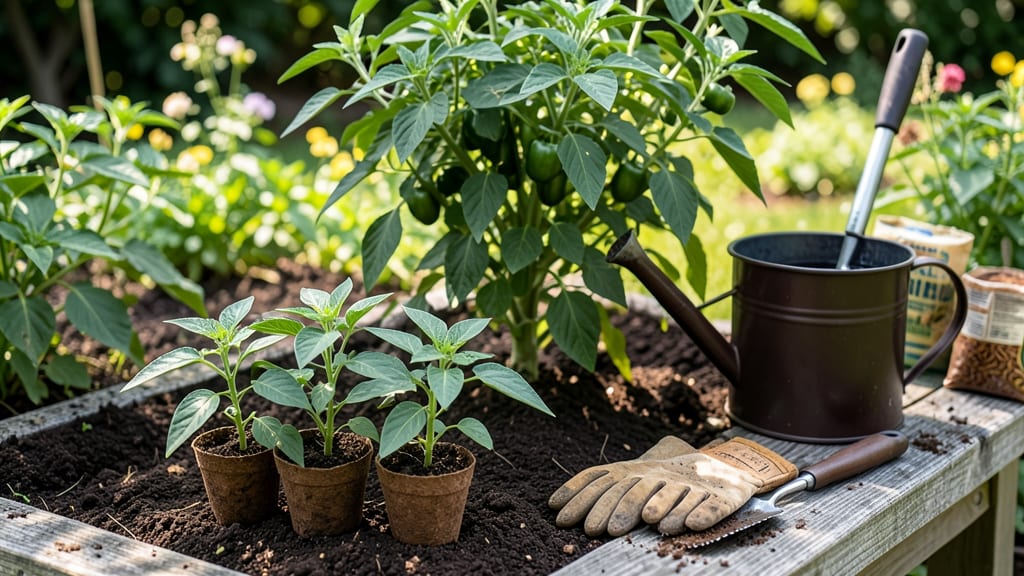
Timing your bell pepper 🌶️ planting in Kentucky isn’t just about avoiding frost—it’s about catching that sweet spot between 60°F soil and the first real heatwave.
Skip the guesswork: Plant too early, and a late frost will wipe out your seedlings; too late, and you’ll miss the 165-day growing window before fall chills set in.
For Kentucky’s USDA Zones 6a-7a, your best window runs from April 15 to May 15, right after the last frost date.
But here’s the catch: Even if your neighbors swear by direct sowing, starting seeds indoors 8-10 weeks early gives you a head start—especially if you’re aiming for varieties like ‘Carolina Wonder’ that thrive in Kentucky’s heat.
Why does this matter? Because bell peppers are heat-lovers, but they’re also frost-sensitive. A single late frost can set you back weeks, while planting too late means smaller yields before the first frost in October.
I’ll show you how to read your soil’s temperature, adjust for microclimates (like Louisville’s urban heat islands), and even extend your season with row covers.
Ready to grow peppers that actually ripen? Let’s break down the exact dates, soil prep, and pro tips to turn your Kentucky garden into a bell pepper powerhouse—without the trial-and-error.
Kentucky bell pepper planting deadlines by USDA Zone (6-7) with frost date calculator
Getting your bell pepper planting schedule right in Kentucky means avoiding late frosts while maximizing your harvest window before fall heat sets in. With USDA Zones 6-7, your timing depends on whether you're in Louisville, Lexington, or Bowling Green—each with slightly different frost dates.
Let’s break down the exact planting deadlines you need to know, plus how to adjust for your local microclimate.
First, mark your calendar for these average last frost dates across Kentucky’s major growing regions: April 15 in northern areas (like Louisville), April 20 in central areas (like Lexington), and April 25 in southern areas (like Bowling Green).
However, soil temperature is just as critical as air temperature—bell peppers won’t thrive until the soil reaches a consistent 60°F.
Here’s your planting timeline for Kentucky bell peppers, including key milestones and adjustments for microclimates like urban heat islands or sheltered valleys. Use this frost date calculator approach to fine-tune your schedule:
| Region | Last Frost Date | Soil Temp Ready | Transplant Window | Direct Sow Window | Backup Date |
|---|---|---|---|---|---|
| Louisville (Zone 6b) | April 15 | April 20 (60°F+) | April 25 - May 10 | May 15 - June 1 | May 15 |
| Lexington (Zone 7a) | April 20 | April 25 (60°F+) | April 30 - May 15 | May 20 - June 5 | May 20 |
| Bowling Green (Zone 7b) | April 25 | May 1 (60°F+) | May 5 - May 20 | May 25 - June 10 | May 25 |
| Microclimate Adjustments | +3-5 days (urban heat) | -3-5 days (valleys) | Extend 1 week | Delay 1 week | N/A |
🌱 Pro Tip: Use a soil thermometer to confirm 60°F+ before transplanting.
For transplanting seedlings, wait until after your region’s last frost date and when soil temperatures consistently reach 60°F. In Louisville, that’s typically April 25-May 10, while Bowling Green can start slightly later (May 5-20).
If you’re starting seeds indoors, begin them 8-10 weeks before your last frost date—so around February 15-March 1 for most of Kentucky.
If you miss the primary transplant window, don’t panic! Bell peppers are resilient and can handle late starts as long as you plant by June 1 in northern Kentucky or June 10 in southern regions.
Just be prepared for a smaller harvest if you plant after June 15, as the heat of summer can stress young plants. For a backup plan, consider container gardening to move pots to sh
How to extend your Kentucky bell pepper growing season (start indoors, use row covers)
Extending your bell pepper growing season in Kentucky starts with a smart indoor head start. Since Kentucky’s last frost typically hits around April 15, beginning seeds indoors 8-10 weeks earlier gives them the time they need to mature before summer heat peaks.
This method also helps you beat late spring frosts and early fall chills, ensuring a longer harvest window.
For Kentucky gardeners, this means starting seeds in mid-February if you’re aiming for an early spring transplant. If you’re in Zone 6a (like northern Kentucky), push it to early March to account for cooler soil.
The key is balancing seedling age with outdoor conditions—you want sturdy plants ready for transplant when soil temps hit 60°F+.
Here’s your step-by-step guide to indoor seed starting and season extension, including how to protect your plants with row covers once they’re outdoors:
- Step 1: Start seeds indoors – Use seed trays with sterilized potting mix and plant seeds 1/4 inch deep. Keep soil moist and maintain 70-80°F for germination (use a heat mat if needed).
- Step 2: Provide 12-14 hours of light – Place trays under grow lights or near a south-facing window. Seedlings need strong light to prevent legginess.
- Step 3: Harden off seedlings – Begin 1 week before transplanting by moving trays outdoors for 2-3 hours daily, gradually increasing exposure.
- Step 4: Transplant after last frost – Wait until soil is 60°F+ and nighttime temps stay above 50°F. Space plants 18-24 inches apart in full sun.
- Step 5: Use row covers for protection – Apply floating row covers for late spring frosts or early fall chills. Remove during pollination to allow bees access.
- Step 6: Extend fall harvest – Cover plants with lightweight fabric in September to protect from 32°F+ frosts and keep peppers producing longer.
One of my favorite organic row cover options is agrilandscape fabric, which lets in light and water while blocking frost. For extra insulation, add a straw mulch layer around the base—this keeps roots warm and retains moisture during Kentucky’s humid summers.
Don’t forget to monitor soil moisture during hardening off. Seedlings are delicate, and inconsistent watering can stress them before they even hit the garden. Aim for even moisture and avoid overhead watering to prevent disease.
With this method, you can push your bell pepper harvest from July all the way to mid-October, even in Kentucky’s shorter growing season. The secret? Starting early, protecting your plants, and listening to your local frost forecasts.