
Plants
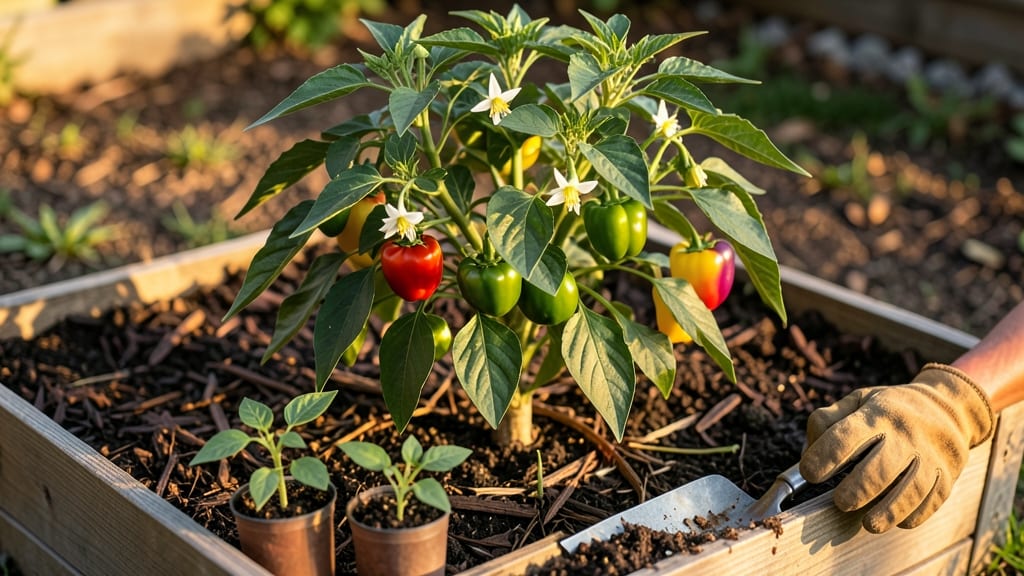
Planting bell peppers 🌶️ in Kansas isn’t just about grabbing seeds and sticking them in the dirt—it’s about mastering the heat zone timeline that separates a thriving harvest from a frost-killed disappointment.
With Kansas’ USDA Zones 5b-7a and unpredictable weather, the wrong timing can mean the difference between a garden full of juicy peppers and a sad, wilted disappointment.
The key? Starting seeds indoors by early March and transplanting outdoors only after April 15, when soil temperatures hit at least 60°F—no exceptions.
But here’s the catch: not all Kansas regions are created equal. Urban areas might have microclimates that warm up faster, while rural spots could linger in cooler temps.
I’ll break down exactly when to plant, how to adjust for early or late varieties, and even how to stretch your growing season for a fall harvest.
Ready to turn your Kansas garden into a pepper powerhouse? Let’s dive into the exact planting schedule that works for your zone—and how to protect your plants from late frosts or scorching summer heat.
Kansas bell pepper planting timeline: frost dates, heat zones & seed starting months
Kansas’ USDA Hardiness Zones 5-7 create a tricky balance for growing bell peppers. These heat-loving plants need at least 80 days without frost, but Kansas’ average last frost ranges from April 15 (Zone 5) to May 1 (Zone 7).
Miss the window, and you’ll miss your harvest—or worse, lose delicate seedlings to late freezes.
I’ve planted bell peppers in Wichita (Zone 6b) and Topeka (Zone 6a) for years, and I’ve learned the hard way: soil temperature matters more than air temperature. Peppers won’t germinate until the soil hits 60°F, even if the air is warm.
In Kansas, that usually means waiting until mid-to-late May for direct sowing in most zones.
To maximize your harvest, I recommend starting seeds indoors 8-10 weeks before your last frost date. For Zone 5 (northwest Kansas), that’s mid-March; for Zone 7 (southeast Kansas), early April. But don’t rush—peppers grow slowly in cool conditions, and transplanting too early stresses them.
Here’s the exact timeline I follow, adjusted for Kansas’ unpredictable spring weather. Use this as your guide, but always check local frost data (like from the Kansas State University Extension) for your specific county.
If you’re in Zone 5 or 6a, I strongly recommend using row covers or cold frames to extend your season. I’ve had success with floating row covers in early May, which can add 2-3 weeks of protection against late frosts. Just remove them once flowers appear to allow pollination.
For Zone 7 gardeners, you can push your luck and try fall plantings. Sow seeds indoors in early August for transplanting in early September. With a row cover, you might even get a harvest before the first frost in mid-October.
I’ve grown ‘Aristotle’ bell peppers this way with great success!
Pro tip: Use a soil thermometer to check temperatures before transplanting. I’ve seen 60°F soil in early May in Wichita (Zone 6b), but it’s rare. If your soil is cooler, wait another week—peppers won’t thrive in cold soil, no matter how warm the air feels.
Finally, account for microclimates. Urban areas like Kansas City (Zone 6b) often warm up faster than rural spots. If you’re near pavement or buildings, you might transplant 1-2 weeks
5 Critical factors that determine your Kansas bell pepper planting success (and how to adjust)
Kansas’ unpredictable spring weather makes bell pepper planting a high-stakes game. One late frost can turn your 60-day seedlings into crispy snacks, while waiting too long cuts your harvest short.
The key? Adjusting for soil temperature thresholds, pepper variety heat tolerance, and your local microclimate—whether you're in urban Wichita or rural southeast Kansas.
I’ve grown bell peppers across Kansas for years, and these five factors separate the gardeners who harvest bushels from those who scratch their heads in September wondering where their peppers went. Let’s break down how to optimize each one for your specific growing conditions.
🌱 numbered highlights
-
1.Soil Temperature Threshold: Wait until soil reaches 60°F+—use a soil thermometer to avoid false starts. In USDA Zone 5b, this is typically mid-May; in Zone 7a, early April works.
-
2.Heat-Tolerant Varieties: Plant ‘Jupiter’ (90 days) or ‘Aristotle’ (75 days) for Kansas’ 90°F+ summers. Early varieties like ‘Early California Wonder’ (60 days) need row covers for fall harvests.
-
3.Microclimate Adjustments: Urban areas (e.g., Kansas City) warm 1-2 weeks earlier than rural zones. Test with temporary row covers if your yard is frost-prone.
-
4. Row Covers/Cold Frames: Extend the season by 3-4 weeks with floating row covers (remove when flowers appear). Cold frames let you plant 6 weeks earlier in spring or harvest into October.5.Fertilizer Timing: Feed balanced 10-10-10 at transplanting and again when peppers form. Avoid nitrogen-heavy mixes—they boost leaves, not fruit.
Your soil temperature is the first hurdle. Bell peppers won’t germinate below 60°F, and even if they do, cool soil stunts growth. I’ve seen seedlings bolt to flower in 10 days when soil was 58°F—then die back when a late frost hit.
Use black plastic mulch to warm soil 5-7°F faster than bare earth.
Next, match your pepper variety to your Kansas region. Northern Kansas (Zone 5b) needs early-maturing types like ‘Sweet Banana’ (65 days), while southern Kansas (Zone 7a) can handle ‘Carmen’ (80 days).
Pro tip: Start seeds indoors by March 1 for Zone 7a or March 15 for Zone 5b to ensure transplant-ready plants by your last frost date.
Don’t overlook microclimates. A south-facing wall or paved surface nearby can create a 5°F warmer pocket—ideal for early planting. Conversely, low-lying areas or shady yards may need row covers until late May.
I once grew peppers in Lawrence’s urban garden and harvested 3 weeks earlier than my rural neighbors.
For fall harvests, use row covers to protect peppers from early October frosts. Remove covers during the day to prevent heat stress and reapply at dusk.
In Zone 5b, this can extend your season until mid-October. Pair this with dwarf varieties like ‘Lucky Counter’ (60 days) to maximize space and yield.
Finally, fertilize wisely. Over-fertilizing leads to leafy monsters with no peppers. I’ve found compost tea or fish emulsion at half-strength works better than synthetic mixes. Side-dress with aged compost when peppers form to boost fruit production without burning roots.