
Plants
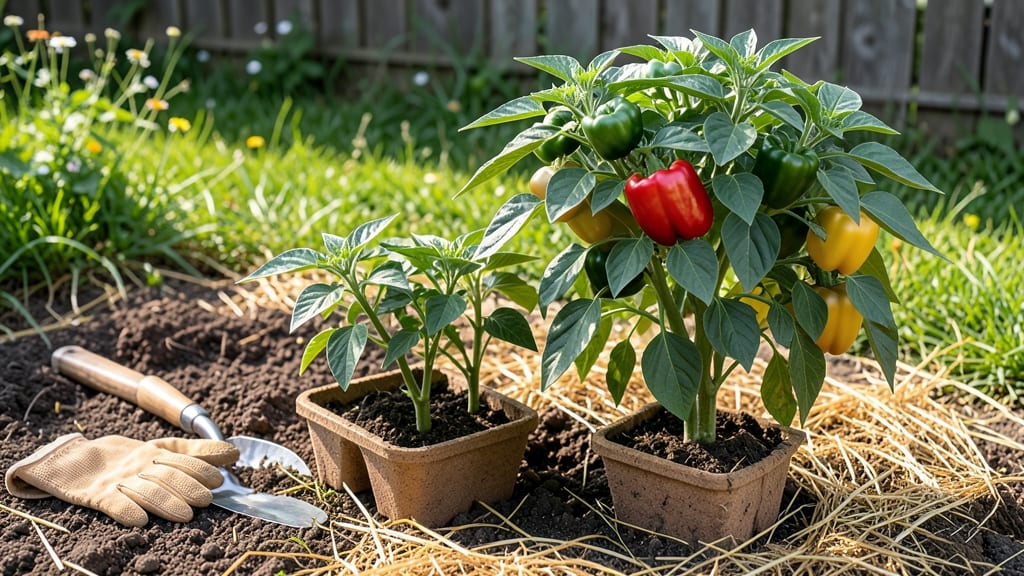
Planting your 🌶️ bell peppers at the wrong time in North Carolina can mean the difference between a bumper crop and wasted effort. The key to success isn’t just waiting until spring—it’s knowing exactly when to put those seedlings in the ground so they thrive before summer’s heat sets in.
In NC’s 7a-8b zones, your planting window is narrow but critical: April 15 to June 15 for spring crops, with a second chance in August 1 to September 15 for fall harvests.
Miss these dates, and you risk frost damage or peppers that never fully mature. But here’s the game-changer: soil temperature matters more than the calendar.
Most gardeners make one of two mistakes—planting too early when the ground is still chilly or waiting until it’s almost summer.
I’ll show you how to check soil warmth (it needs to hit 60°F+), adjust for your region (coastal vs. Piedmont), and even extend your growing season with simple tricks. Ready to grow peppers that actually produce?
Let’s break down the perfect timing for your NC garden, so you can enjoy fresh, homegrown bell peppers from July all the way through November—or even later with the right approach.
NC last frost dates and best weeks to plant bell peppers by region
North Carolina’s diverse microclimates mean your bell pepper planting window varies dramatically between regions. Coastal areas enjoy earlier last frosts (mid-March), while mountain zones often wait until mid-April. Understanding these differences ensures your pepper plants thrive from seedling to harvest.
Bell peppers need soil temperatures above 60°F to germinate properly. Waiting for this warmth—paired with frost-free dates—maximizes your 75-90 day growing season. Coastal gardeners can start as early as late March, while mountain gardeners should hold off until mid-May for spring planting.
| Region | Average Last Frost | Best Planting Window | Soil Temp Requirement | Fall Planting Window |
|---|---|---|---|---|
| Coastal (e.g., Wilmington, Morehead City) | Mid-March (March 15) | April 1 - May 15 | 60°F+ (warms fastest) | August 1 - September 1 |
| Piedmont (e.g., Raleigh, Greensboro) | Early April (April 1) | April 15 - May 30 | 60°F+ (warms by late April) | July 30 - August 20 |
| Mountains (e.g., Asheville, Boone) | Mid-April (April 15) | May 1 - June 15 | 65°F+ (cooler soils delay planting) | August 15 - September 10 |
For coastal NC, start seeds indoors by mid-February to transplant outdoors by April 1. Use black plastic mulch to warm soil faster and protect young plants. In the Piedmont, wait until after April 15—earlier planting risks frost damage to tender seedlings.
Mountain regions have the shortest growing season, so prioritize fast-maturing varieties like 'Carolina Wonder' (60 days) or 'Aristotle' (70 days). These heat-loving plants need 6-8 hours of sun daily, so choose south-facing beds with no shade from trees.
Fall planting is critical for extended harvests. Coastal areas can plant until September 1, while mountains should finish by September 10. Use row covers to protect late-season peppers from early October frosts in higher elevations.
Check soil temperature with a soil thermometer—peppers won’t germinate below 60°F. If your soil is too cold, delay planting or use heat mats for seedlings. NC State Extension’s planting calendar is a reliable resource for local adjustments.
Pro tip: Succession plant every 2-3 weeks in spring and fall to ensure a continuous pepper supply. For example, plant one batch in mid-April and another in late May for staggered harvests through October.
Remember: Peppers hate cold. Even a light frost (below 32°F) can kill plants. Monitor local frost forecasts and use frost cloths if late-season peppers linger into November.
By aligning your planting with these region-specific windows, you’ll avoid the most common mistakes—like planting too early and losing seedlings to frost—or too late and missing the harvest window. Happy planting! 🌶️
How to extend your bell pepper growing season in NC for longer harvests
North Carolina’s fall temperatures can still produce sweet, ripe bell peppers if you use the right strategies. By extending your growing season, you can enjoy fresh peppers well into October or November, especially in warmer coastal regions.
The key is protecting your plants from early frosts while maximizing sunlight exposure.
One of my favorite methods is using row covers or low tunnels to create a microclimate. These simple tools can raise soil temperatures by 5-10°F and shield plants from light frosts.
For even longer protection, consider a cold frame—it’s like a mini greenhouse that lets you grow peppers until December in mild winters.
Here’s how to extend your harvest with proven techniques:
- 1. Choose fast-maturing varieties like 'Carolina Wonder' (70-day harvest) or 'Aristotle' (65 days). These thrive in NC’s short fall season and produce before cold sets in.
- 2. Plant succession crops every 2-3 weeks from July to August. This ensures a staggered harvest as older plants mature while new ones establish.
- 3. Use black plastic mulch to warm soil and suppress weeds. It raises soil temps by 3-5°F, giving peppers a head start in cooler fall months.
- 4. Install row covers by mid-September to protect from light frosts (28°F). Remove during the day for pollination if peppers aren’t self-pollinating.
- 5. Fertilize with phosphorus-rich feed (like 5-10-10) in early September to boost fruiting before cold arrives.
- 6. Harvest before frost—peppers won’t ripen after being damaged by cold. Pick green peppers and let them ripen indoors if needed.
For coastal NC gardeners, your longer frost-free season means you can push harvests even further. Try fall planting in late July with row covers for peppers ready by October. In the Piedmont, aim for August 15 planting with cold frames to extend until November 1.
Don’t forget to prune lower leaves in late summer to improve airflow and reduce disease risk. This keeps plants healthy longer, giving you more time to enjoy those sweet, homegrown peppers. With these tricks, you’ll turn NC’s fall into a pepper bonanza! 🌶️