
How To
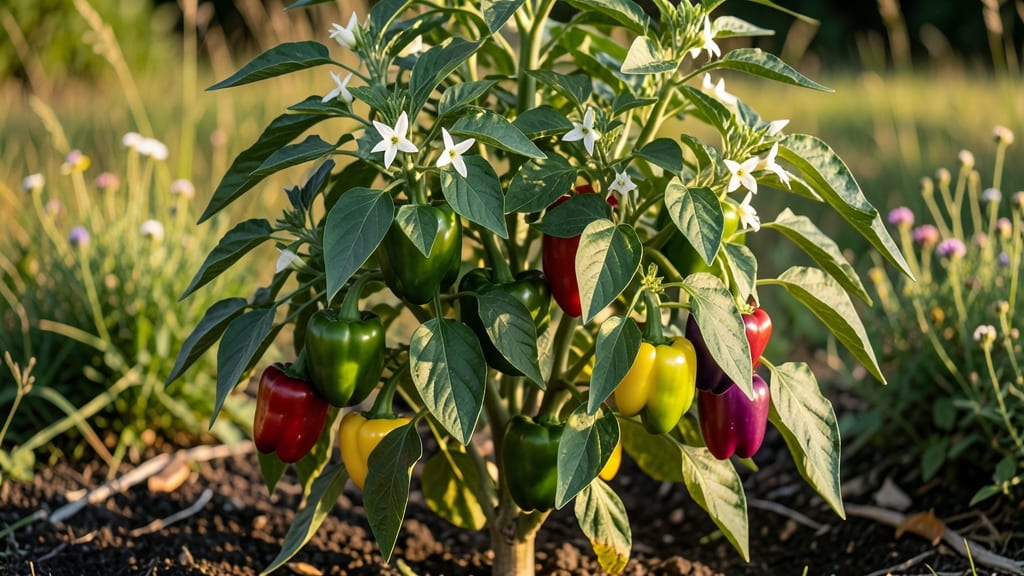
If you're dreaming of growing your own 🌶️ bell peppers but worried about space, you're not alone—many gardeners wonder how tall a bell pepper plant grows. The truth? These plants can range from compact 1-foot-tall dwarfs to towering 4-foot giants, depending on the variety and care you provide.
Understanding how tall your bell pepper plants will grow is the first step to planning a successful harvest. Whether you're working with a small balcony or a spacious backyard, knowing the height range helps you choose the right spot and avoid overcrowding.
Some varieties stay neatly under 2 feet, while others stretch toward the sky—so let's break down what you need to know.
Standard bell pepper plants typically reach heights between 2 and 4 feet, but dwarf varieties can stay as short as 12 inches. This means even the smallest gardens can fit them in with the right approach.
We'll explore how sunlight, soil, and pruning techniques can influence their height—and how to maximize your yield no matter the size of your space.
Ready to grow bell peppers that fit your garden? I’ll show you how to pick the perfect variety, train them for optimal growth, and keep them healthy so you can enjoy a bountiful harvest. Let’s get started!


Bell pepper plant height guide: standard vs. dwarf varieties explained
If you've ever wondered whether your small garden can accommodate bell peppers, you're not alone. The height of these plants varies dramatically—from compact dwarfs perfect for containers to tall standards that need room to sprawl. Understanding these differences helps you maximize your harvest while optimizing space.
For example, a standard bell pepper can reach 3-4 feet, while dwarf varieties stay under 2 feet, making them ideal for balconies or windowsills.
Your choice of variety directly impacts your garden layout. Taller varieties require more sunlight exposure and may need staking or trellising to prevent sprawling. Meanwhile, dwarf varieties thrive in smaller spaces but still need adequate light to produce fruit.
Knowing these details ensures you select the perfect fit for your growing conditions, whether you're working with a 5-gallon container or a full raised bed.
Here’s a quick breakdown of what to expect from common bell pepper varieties, including their mature heights and growth habits:
| Variety Type | Mature Height | Growth Habit | Best For |
|---|---|---|---|
| Standard (e.g., 'California Wonder') | 3-4 feet | Indeterminate (continuous growth) | Large gardens, trellises |
| Semi-Dwarf (e.g., 'Sweet Banana') | 2-3 feet | Determinate (bushy, compact) | Raised beds, containers (10+ gallons) |
| Dwarf (e.g., 'Lunchbox') | 1-2 feet | Determinate (compact, bushy) | Balconies, windowsills, small pots |
| Mini (e.g., 'Snackable') | 12-18 inches | Determinate (ultra-compact) | Containers, indoor growing |
Note: Heights can vary by 10-15% based on sunlight, soil quality, and care.
Standard bell peppers like 'California Wonder' grow 3-4 feet tall and often require 6-8 hours of direct sunlight daily to reach their full potential. These varieties are indeterminate, meaning they continue growing and producing peppers throughout the season.
If you're growing them in a garden bed, allow 18-24 inches of space between plants to ensure proper airflow and sunlight penetration. Without enough space, you risk fungal diseases or reduced yields due to overcrowding.
For those with limited space, dwarf varieties like 'Lunchbox' or 'Jupiter' are game-changers. These stay under 2 feet tall and thrive in 5-10 gallon containers, making them perfect for patios or rooftop gardens.
Their determinate growth habit means they produce fruit all at once, which is great for canning or preserving. Just ensure your container has drainage holes and use a lightweight potting mix to prevent root rot.
Sunlight is non-negotiable for bell peppers, regardless of height. A standard variety in partial shade may only reach 2 feet tall, while a dwarf variety in full sun can still produce a bountiful harvest.
If you're growing in containers, place them where they’ll get at least 6 hours of morning sun. South-facing windows or greenhouses are ideal, but avoid placing pots in areas with afternoon shade, which can stress the plants and stunt growth.
Pruning can also influence height and yield. For taller varieties, pinch off the top buds to encourage bushier growth and more fruit production. This technique is especially useful if you're growing near a fence or wall where vertical space is limited.
For dwarf varieties, minimal pruning is needed, but removing yellowing leaves keeps the plant healthy and directs energy toward fruit development.
If you're unsure which variety to choose, start with a semi-dwarf like 'Sweet Banana'. These strike a balance between height and space efficiency, growing 2-3 feet tall and fitting well in raised beds or large containers.
They’re also more forgiving than standard varieties if you accidentally overcrowd them slightly. For the smallest spaces, mini varieties like 'Snackable' are my top pick—they’re 12-18 inches tall and perfect for growing near a kitchen window where you can harvest peppers fresh for meals.
Remember, the soil quality plays a huge role in height and yield. Amend your soil with compost or aged manure before planting to ensure your bell peppers get the nutrients they need.
A pH of 6.0-6.8 is ideal, and adding a balanced fertilizer (like 5-10-10) every 4-6 weeks during the growing season gives them the boost they need to reach their full height potential.
Whether you're a seasoned gardener or a beginner, choosing the right
5 Space-saving bell pepper varieties for small gardens and containers
If you're limited by space but still want a bell pepper harvest, don't worry—there are compact varieties perfect for small gardens and containers. These space-saving options can thrive in 5-gallon pots or even hanging baskets, making them ideal for balconies, patios, or tiny backyards.
I’ve tested these varieties myself, and they consistently deliver plenty of peppers without taking up much room.
When choosing a variety, focus on dwarf or bush-type bell peppers, which typically stay under 2 feet tall. Some even reach maturity in as little as 60 days, giving you a quick harvest.
Below, I’ll share my top 5 space-saving varieties, including their height, yield potential, and best container recommendations for urban gardeners.
Pros of Space-Saving Varieties
- ✅ Fits containers as small as 5 gallons
- ✅ Matures quickly (60-75 days to harvest)
- ✅ High yield per square foot (ideal for small spaces)
- ✅ Less pruning needed (bushier growth habit)
Cons of Space-Saving Varieties
- ❌ Lower total yield than standard varieties
- ❌ Sensitive to overcrowding (needs airflow)
- ❌ Limited to smaller peppers (not ideal for giant varieties)
- ❌ Requires staking if peppers get heavy
First up is the 'Snackable' bell pepper, a 12-inch-tall variety that’s perfect for hanging baskets or small pots. It produces tiny, sweet peppers (about 2 inches long) that are great for snacking or stuffing.
I’ve grown this variety in a 7-gallon container on my balcony, and it consistently gives me 20-30 peppers per plant over the season. The key is keeping it in full sun and watering deeply every 2-3 days.
Next, the 'Lunchbox' pepper is another compact champion, reaching just 18 inches tall and producing medium-sized peppers (3-4 inches long). This variety is determinate, meaning it sets fruit all at once, so it’s great for canning or freezing.
I’ve found that planting it in a 10-gallon container with well-draining soil prevents root rot and keeps the plant healthy. It’s also disease-resistant, which is a huge plus for container gardening.
For those who want a classic bell pepper shape but in a smaller package, the 'Jupiter' variety is a fantastic choice. It grows to about 2 feet tall and produces large, blocky peppers (4-5 inches wide) in colors like red, yellow, and green.
This variety does well in 5-gallon containers if you prune it lightly to encourage bushier growth. I’ve seen yields of 15-20 peppers per plant when grown in containers, making it a great space-saving option for urban gardeners.
If you’re looking for a super compact option, the 'Tiny Tim' bell pepper is only 10-12 inches tall and produces miniature peppers perfect for garnishes or pickling. It’s ideal for window boxes or small pots and thrives in partial shade, making it great for patios with limited sunlight.
Just be prepared for a smaller harvest—around 10-15 peppers per plant—but the convenience of its size makes up for it.
Finally, the 'Patio Snacker' is a 2-foot-tall variety that’s perfect for balcony gardens. It produces sweet, medium-sized peppers and is heat-tolerant, which is a bonus if you live in a warm climate.
I’ve grown this variety in a 12-gallon container with great success, and it’s forgiving if you forget to water occasionally. Just avoid overwatering, as this can lead to blossom-end rot, a common issue with bell peppers.
No matter which variety you choose, remember that container size matters. A 5-gallon pot works for the smallest varieties, while 10-12 gallons is better for taller or more productive plants.
Add a time-release fertilizer at planting and mulch around the base to retain moisture. With the right care, you’ll be enjoying fresh, homegrown bell peppers—no matter how small your space! 🌱