
Plants
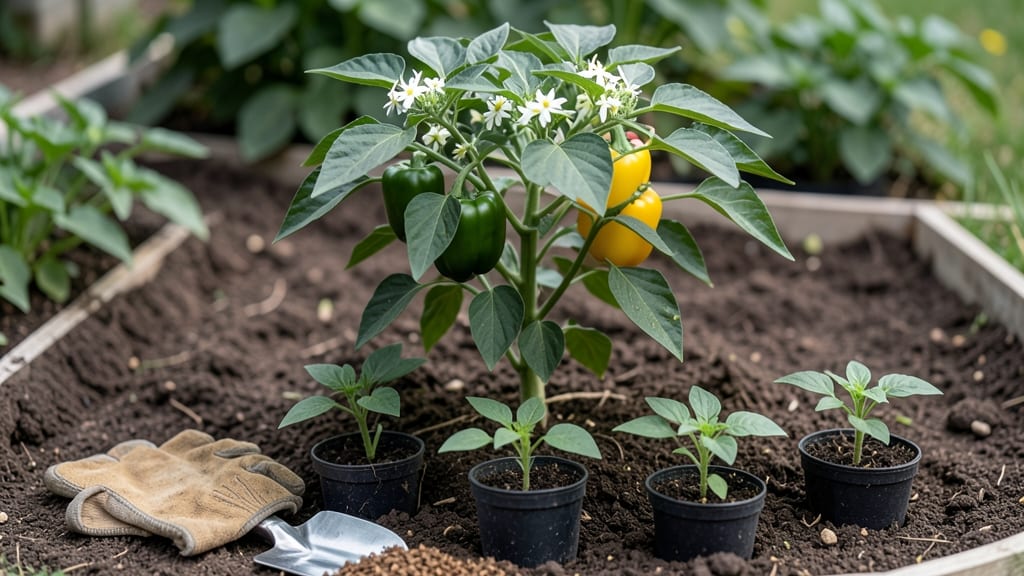
Planting bell peppers 🌶️ in Washington State isn’t one-size-fits-all—your timing could mean the difference between a bountiful harvest and a frost-nipped failure. With regions ranging from the Puget Sound’s damp chill to the Columbia Basin’s scorching summers, knowing the exact window for your microclimate is everything.
Most gardeners in USDA zones 5b–9a wait until after the last frost—typically mid-April to early June—but that’s just the starting point.
In Western WA’s cooler zones (7b–9a), you’ll want to start seedlings indoors by early March, while Eastern WA’s high desert (5b–7a) may need a later transplant date to avoid heat stress.
Here’s the game-changer: I’ll break down the precise planting deadlines for your specific region, plus pro tips to extend your growing season—whether you’re battling late frosts or sweltering heat. No more guessing, just data-driven deadlines to maximize your bell pepper 🌶️ yields.
Ready to set your calendar? Let’s dive into the exact steps to time your planting for zero frost risk and peak flavor, tailored to where you live in the Evergreen State.
Washington State bell pepper planting zones: microclimate deadlines by USDA zone and last frost dates
Washington’s bell pepper growing season hinges on microclimates that can shift planting deadlines by 4-6 weeks. Whether you’re in coastal Seattle or the Columbia Basin’s desert heat, timing is everything.
Bell peppers thrive in soil temperatures above 55°F and need 120-180 frost-free days to mature. Miss these windows, and you risk frost damage or stunted growth—especially in USDA zones 5b-7a.
Each region’s last frost date and soil warming trends dictate your transplant deadline. For example, Western WA’s Puget Sound zones (7b-9a) can plant 2-3 weeks earlier than Eastern WA’s high desert (5b-7a). The Cascades and San Juan Islands add another layer of complexity with cooler, shorter seasons.
Below, I’ve broken down the exact planting windows for Washington’s 5 key regions, including soil temperature thresholds and frost risk timelines.
For Western WA, aim to transplant bell pepper seedlings between May 1 and May 15 once soil temperatures hit 60°F+. The
How to adjust planting timing for Washington’s unpredictable weather: frost warnings and heat tolerance tips
Washington’s weather can shift faster than a Puget Sound tide, leaving your bell pepper seedlings vulnerable to late frosts or scorching heat. The key to success? Flexible timing and proactive adjustments.
I’ve learned to trust WSU AgWeather alerts and prepare for both extremes—whether you’re in the Columbia Basin’s desert heat or the Cascades’ cooler microclimates. Here’s how to stay ahead of the weather curve.
Start by monitoring local frost warnings through the WSU AgWeather Network, which provides real-time updates on last frost dates and soil temperature trends.
For example, Eastern WA’s high desert (like Yakima) often sees last frosts by April 15, while Western WA’s coast (like Seattle) can linger until May 1. Adjust your planting window accordingly—delaying by even a week can mean the difference between a thriving crop and a frost-nipped failure.
⚠️ callout-warning
Never transplant seedlings outdoors when nighttime temps dip below 50°F (10°C). Even heat-tolerant varieties like ‘Carmen’ or ‘Aristotle’ will struggle if exposed to frost. Use a row cover or cold frame to extend your planting window by 2-3 weeks in cooler zones (USDA 7b and below). For Eastern WA’s high desert, prioritize late-May transplants to avoid early-season heat stress.
For heat-tolerant varieties, Eastern WA gardeners should opt for ‘Apache’ or ‘Carmen’ peppers, which thrive in temperatures up to 95°F (35°C). These varieties handle the Columbia Basin’s intense summer sun better than standard bell peppers, which may blossom drop or develop sun scald under extreme conditions.
Pair them with drip irrigation and shade cloth during peak heat to prevent stress.
If you’re in Western WA’s cooler zones (like USDA 7b-8a), focus on early-maturing varieties like ‘Jupiter’ or ‘King of the North’. These can be transplanted 2-3 weeks earlier than heat-lovers, giving them time to mature before the first frost (typically October 15 in most areas).
Use black plastic mulch to warm the soil faster and row covers to protect young plants from unexpected late-spring frosts.
Preparing seedlings for transplant shock is non-negotiable. Harden them off for 7-10 days before moving outdoors by gradually exposing them to wind and sunlight. In cooler zones, acclimate them to 40°F (4°C) nighttime temps to mimic outdoor conditions.
A checklist helps: - Test soil temperature (must be 60°F+) - Water seedlings deeply the day before transplanting - Use transplant solution to reduce shock - Space plants 18-24 inches apart for airflow
Finally, don’t underestimate the power of season extension tools. A low tunnel or cold frame can add 4-6 weeks to your growing season, while shade cloth (30-50%) protects plants from midday heat stress.
For Eastern WA’s extreme heat, consider afternoon shade and evening watering to keep roots cool. With these adjustments, you’ll turn Washington’s unpredictable weather into an advantage—not a roadblock.