
Plants
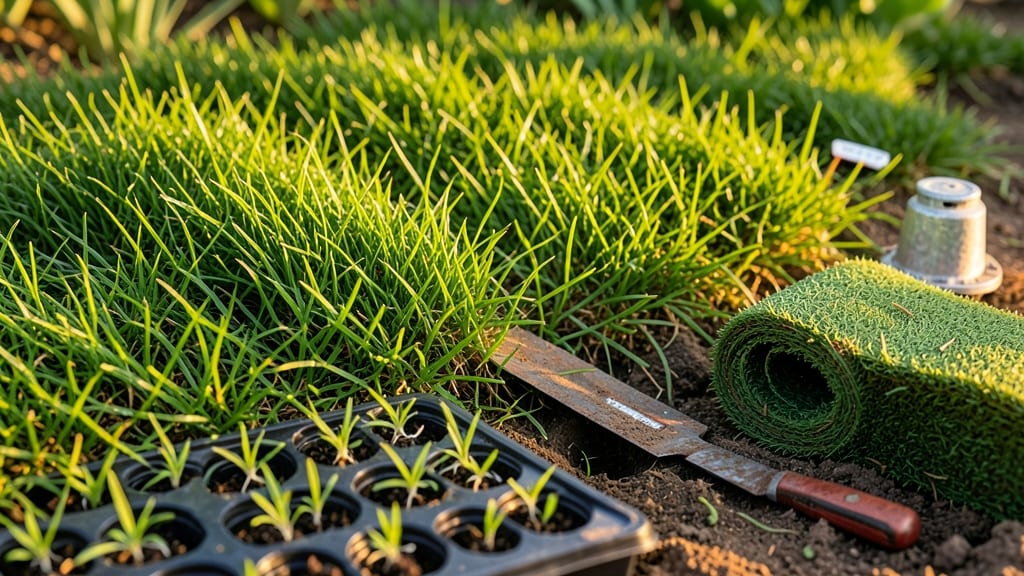
Planting Bermuda grass 🌱 at the wrong time in Florida can turn your lush lawn dreams into a slow, patchy disappointment—especially when summer heat hits. The key to fast, vibrant growth lies in timing it right with your region’s climate, not just guessing when to start.
Whether you’re in North Florida’s cooler zones or South Florida’s frost-free paradise, the ideal planting window shifts dramatically. Miss it, and you’ll deal with weak roots, stunted growth, or even failed establishment—costing you time and money. Let’s break down the exact months that work best for your area.
From soil temperatures to rainfall patterns, Florida’s microclimates demand precision. I’ll show you how to align your planting schedule with nature’s cues—whether you’re seeding or laying sod—for a lawn that thrives year-round without the guesswork.
Ready to skip the trial-and-error? Here’s how to prepare your soil, spot early warning signs, and ensure your Bermuda grass takes off like a pro—no matter where you live in the Sunshine State.
Best months to plant Bermuda grass in Florida by region (North vs. central vs. South)
Florida’s climate varies dramatically from North to South, creating three distinct planting zones for Bermuda grass. In North Florida, cooler winters and shorter growing seasons demand precise timing, while South Florida offers nearly year-round opportunities. Central Florida sits in the middle, balancing both extremes.
The key factor? Soil temperature—Bermuda grass needs at least 65°F (18°C) to germinate properly.
If you plant too early, seeds may rot in cold soil. Too late, and summer heat can stress young grass. Spring planting (March-May) is ideal for most regions, but late summer (August-September) works for South Florida’s warm microclimates.
Let’s break down the exact windows for each zone, including soil prep tips and regional microclimate quirks.
🌱 PRO TIP: Use a soil thermometer to confirm temperatures before planting. Florida’s sandy soils heat up faster than you’d expect—don’t rely on air temperature alone. Aim for consistent 70°F+ (21°C+) for 3+ days before seeding.
🌡️ Florida Regions: Optimal Planting Windows for Bermuda Grass
| Region | Best Planting Months | Soil Temp Threshold | Key Microclimate Factors | Avoid Planting After |
|---|---|---|---|---|
| North Florida (Panhandle to Orlando) | March 15 - May 15 | 65°F (18°C) minimum | Cooler nights, higher humidity, occasional late frosts | June 1 (summer heat stress) |
| Central Florida (Orlando to Tampa) | March 1 - May 31 | 68°F (20°C) minimum | Hot afternoons, frequent thunderstorms, sandy loam soils | July 15 (hurricane season risks) |
| South Florida (Miami to Keys) | March 1 - September 30 | 70°F (21°C) minimum | High humidity, salt air near coast, minimal seasonal variation | October 15 (hurricane prep) |
| All Regions (Late Summer) | August 15 - September 15 | 75°F (24°C) minimum | Monsoon rains, higher fungal risks, shorter daylight | October 1 (dormancy begins) |
⚠️ REGIONAL NOTE: North Florida’s last frost often hits January 15, while South Florida rarely sees frost. Central Florida averages 300 frost-free days—plan accordingly!
In North Florida, the March 15-May 15 window captures the sweet spot between frost risk and summer heat. Gainesville and Tallahassee gardeners should test soil temps weekly—delays beyond May risk heat shock in young seedlings.
For sod installation, shift slightly earlier (March 1) to give roots time to establish before June’s 90°F+ (32°C+) afternoons.
Central Florida offers a longer window thanks to its warmer microclimates. Orlando and Tampa can plant until late May, but avoid June-July due to hurricane season and fungal pressure from humidity. The August-September late-summer window works here too, but requires daily watering to combat drought stress from monsoon rains followed by dry spells.
South Florida’s tropical climate lets you plant nearly year-round, but March-September is prime. Miami and the Keys see minimal seasonal shifts, so focus on soil prep over timing. The August-September window is ideal for overseeding bare spots—just avoid planting near coastlines during hurricane season (June-November) due to saltwater damage risks.
For all regions, late afternoon planting (3-5 PM) reduces evaporation in Florida’s intense sun. Shade cloth (30-50%) helps new seedlings in June-July if you must plant outside the ideal window. Mulch lightly (¼ inch) with straw to retain moisture without smothering growth.
💡 EXPERT TIP: Use pre-emergent herbicide 2 weeks before seeding to block weeds. Florida’s sandy soils are weed magnets—especially crabgrass and nutsedge. Apply after planting if using sod, but before if seeding.
Monitor your lawn’s color and growth rate post-planting. North Florida grass should show green in 10-14 days at 65°F+, while South Florida may take 7-10 days due to
How to prepare your soil and lawn for Bermuda grass planting in Florida’s climate
Florida’s sandy, fast-draining soils and humid climate create unique challenges for growing Bermuda grass. Before planting, I focus on three critical steps: testing soil health, adjusting pH levels, and improving drainage. These adjustments ensure your grass establishes strong roots and thrives in the heat.
Start by testing your soil’s pH balance—Bermuda grass prefers a slightly acidic to neutral range of 6.0 to 7.0. Florida’s sandy soils often test higher, so I recommend using a simple soil test kit from your local garden center.
If your pH is off, sulfur or lime can help bring it back into the ideal range.
- 🌱 Test Soil pH: Use a kit to check levels—aim for 6.0-7.0.
- ✂️ Clear Existing Vegetation: Remove weeds and debris to reduce competition.
- 💧 Improve Drainage: Add compost or peat moss to sandy soils.
- 🪴 Apply Starter Fertilizer: Use a high-phosphorus blend (10-20-10) before planting.
- ☀️ Level the Ground: Rake out low spots to prevent water pooling.
Next, address drainage issues common in Florida’s flat landscapes. Sandy soils drain too quickly, while heavy clay soils in some areas retain too much moisture. I mix in organic matter like compost or peat moss to improve water retention without suffocating roots.
For low-lying areas, create gentle slopes to redirect water away from your lawn.
Before planting, apply a starter fertilizer with a high phosphorus content (10-20-10). This promotes root development, which is crucial in Florida’s intense heat. I recommend spreading the fertilizer evenly and watering it in thoroughly. Avoid over-fertilizing, as this can burn young grass and attract pests.
Finally, consider your planting method. For sod installation, lay pieces tightly butted together in a staggered pattern. For seeds, lightly rake the soil to create a fine seedbed, then cover seeds with a thin layer of sand. Water gently to settle everything in place without displacing seeds.
With these steps, your Bermuda grass will establish quickly and handle Florida’s climate like a pro—no weak spots or patchy growth here! 🌿