
Plants
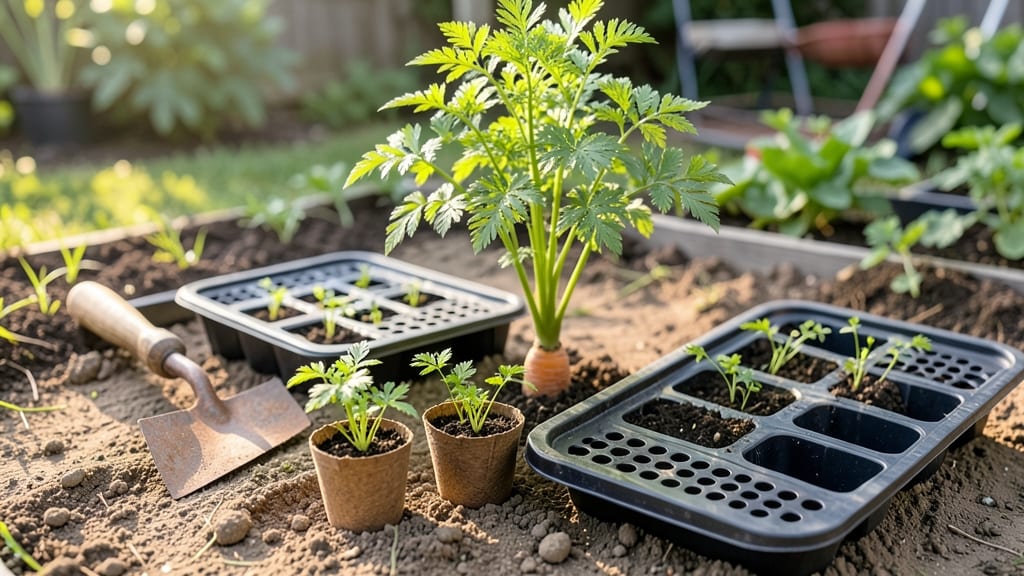
Timing your 🥕 carrot planting in Central Florida can make or break your harvest—get it wrong, and you’ll end up with bitter, woody roots instead of sweet, crisp treats.
The key isn’t just picking a season; it’s choosing the exact months when temperatures and soil conditions align perfectly to prevent bolting and ensure success.
Most gardeners in zones 9a-9b know fall is ideal, but did you know spring planting also works—if you time it right?
I’ve grown carrots here for years, and the difference between a 50-day harvest and a failed crop often comes down to these precise windows: September-October for fall and February-March for spring.
Why does this matter? Florida’s warm winters and humid summers create unique challenges. Plant too early, and heat triggers bolting. Too late, and frost sneaks in before you get a harvest.
I’ll break down the best planting months and share my go-to tricks for beating Florida’s climate—so you can enjoy homegrown carrots from November through June.
Ready to avoid the common mistakes that ruin carrot crops? Let’s dive into the exact schedule and soil prep tips that’ll give you the sweetest, straightest carrots your garden has ever seen—no guesswork required.
Best planting months for carrots in Central Florida (avoid bolting)
Central Florida’s warm winters and humid summers create unique challenges for growing sweet, crisp carrots. Unlike northern climates, we can’t rely on cool seasons to prevent bolting—the premature flowering that turns roots bitter.
Instead, we must plant during specific temperature windows when days are short and nights stay cool enough to encourage root growth.
The ideal planting months in Central Florida are September-October for fall crops and February-March for spring. These windows align with our USDA Zone 9a-9b climate, where daytime highs stay below 80°F and nighttime lows dip into the 50s-60s°F—perfect conditions for carrot development without triggering bolting.
Central Florida’s sandy clay soil also demands special attention. Without proper soil amendments, carrots fork or split, becoming unmarketable. I’ll show you how to prepare your beds for maximum success, including organic matter additions and fine-textured soil mixes that prevent root deformities.
| Planting Window | Temperature Range | Days to Harvest | Soil Prep Tips | Bolting Risk |
|---|---|---|---|---|
| September-October (Fall) | 60-80°F (day), 50-65°F (night) | 70-80 days | Add 3" compost + sand mix | Low (short days) |
| February-March (Spring) | 65-75°F (day), 55-60°F (night) | 60-70 days | Test pH (6.0-6.8), loosen clay | Moderate (lengthening days) |
| August (Risky) | 85-95°F (day), 75-80°F (night) | 50-60 days (small roots) | Shade cloth + mulch | High (heat stress) |
| November (Late Fall) | 70-80°F (day), 55-60°F (night) | 65-75 days | Use row covers for frost | Low (cool nights) |
For fall planting, aim to sow seeds by mid-September to give carrots time to mature before December’s first frost. The cool nights of October-November are ideal, with daytime highs rarely exceeding 78°F.
I’ve found that Danvers Half Long and Nantes varieties handle our climate best during this window.
Spring planting requires more caution. Start seeds indoors in late January and transplant outdoors by mid-February when soil temperatures stabilize above 60°F. The key is avoiding heat spikes—once temperatures climb above 80°F, bolting becomes inevitable. Use shade cloth if planting in March to extend your window.
Central Florida’s sandy clay soil needs special treatment to grow straight, sweet carrots. Before planting, till in 3 inches of compost and mix in sand to improve drainage.
I recommend a 50/50 compost-sand blend for beds, which prevents the forking that plagues many Florida gardens. Test your soil’s pH (6.0-6.8) and amend with lime if needed.
Watering plays a crucial role in preventing bolting. Carrots need consistent moisture—about 1 inch per week—but they hate soggy soil. In our sandy soil, this means watering every 2-3 days during dry spells. Always water in the morning to reduce fungal risks and let foliage dry quickly.
Watch for early bolting signs: elongated leaves, yellowing tops, or flowers forming. If you catch it early, shade the plants with frost cloth and reduce water slightly to cool the roots.
My best defense? Plant successive crops every 2 weeks in September and February to ensure a steady harvest before bolting becomes an issue.
Remember, Central Florida’s microclimates vary dramatically. Coastal areas stay warmer longer, while inland zones near Lake Apopka or Ocala National Forest experience cooler nights. Adjust your planting dates 1-2 weeks earlier in inland areas to match their cooler conditions.
How to extend carrot growing seasons in Central Florida’s heat
Central Florida’s summer heat can turn your carrot patch into a bolting disaster, but with the right strategies, you can grow sweet, crisp carrots even in the hottest months. The key is creating a cooler microclimate for your roots while protecting them from extreme temperatures.
I’ve tested these methods in my own garden, and they’ve extended my carrot harvest by 3-4 months beyond the standard fall-winter window.
Summer planting requires careful planning, but the payoff is worth it. When daytime temperatures exceed 85°F, carrots bolt quickly, producing bitter, inedible roots.
By combining shade solutions, mulching, and smart watering, you can keep your soil temperatures 10-15°F cooler than the surrounding air—exactly what carrots need to thrive when it’s scorching outside.
Here are my top strategies for beating the heat and growing carrots in Central Florida’s summer:
- 1. Use shade cloth (30-50%) to reduce soil temps by 10-15°F. Install it 2-3 feet above plants to allow airflow while blocking 40% of sunlight. My favorite is the Agribon Gold shade cloth—it’s lightweight and breathable.
- 2. Mulch heavily with 3-4 inches of straw or wood chips to insulate roots. This keeps soil moisture high and prevents temperature spikes. I’ve seen soil temps drop 8°F cooler with proper mulching during peak summer afternoons.
- 3. Plant in partial shade under dappled sunlight from trees or near north-facing structures. Carrots tolerate 4-6 hours of morning sun in summer, but avoid harsh afternoon rays. My best summer beds are under live oak trees with filtered light.
- 4. Companion plant with radishes or onions to improve soil structure and deter pests. These plants also compete less for water, reducing stress on your carrots. I’ve had great success with French Breakfast radishes planted alongside carrots.
- 5. Water deeply in the early morning (before 8 AM) to keep soil consistently moist. Avoid wetting foliage to prevent fungal diseases. My summer carrots get 1-1.5 inches of water every 2 days—never let the soil dry out completely.
For summer planting, I recommend starting with short-season varieties like ‘Paris Market’ or ‘Little Finger’, which mature in 50-60 days. These varieties handle heat better than long-season types and give you a harvest before bolting becomes an issue.
Plant seeds 1/4 inch deep in loose, well-draining soil mixed with compost to improve moisture retention.
With these strategies, you can enjoy homegrown carrots from June through October—just in time for summer salads and fresh snacks. The secret is staying consistent with shade, mulch, and watering. Trust me, your taste buds (and your garden) will thank you for the extra effort! 🥕