
Plants
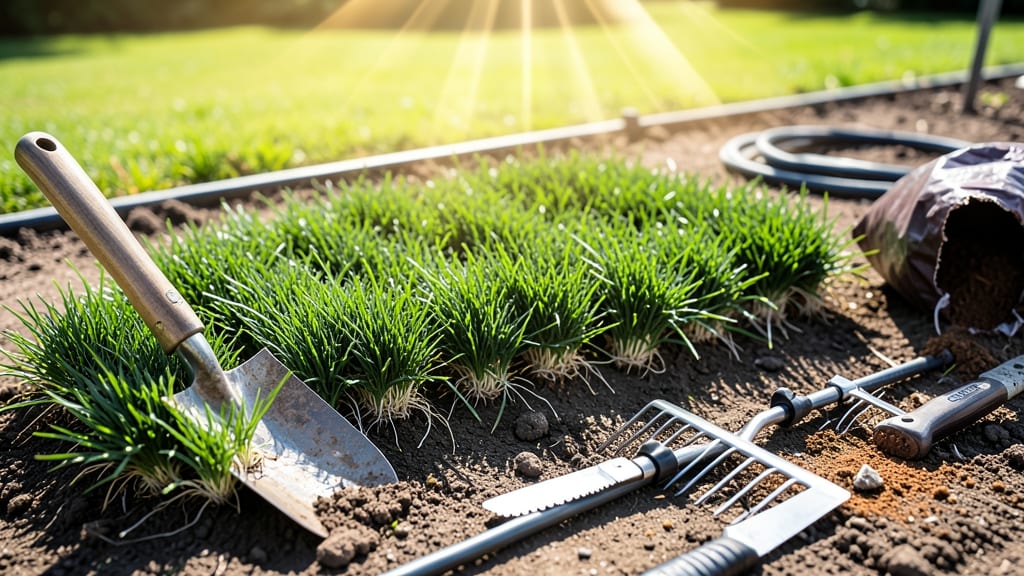
Planting Bermuda grass in Phoenix, AZ at the wrong time means battling weak roots and heat stress—so timing is everything for that lush, drought-resistant lawn you dream of. With 365 frost-free days and soil temperatures that can swing wildly, knowing the ideal window separates success from struggle.
Most gardeners in USDA Zone 9b swear by late winter, when soil warms to 65°F and monsoon rains aren’t yet a threat. But there’s a second chance in late summer—if you play it smart.
I’ll break down the science behind both windows and how to avoid common pitfalls that turn your yard into a crispy wasteland.
Whether you’re seeding or laying sod, the key is matching your planting to Phoenix’s heat zones and microclimates. We’ll cover soil prep, irrigation hacks, and the top 3 Bermuda varieties that actually thrive here—no flop lawns allowed.
Ready to skip the guesswork? Let’s dive into the exact timing, tools, and tricks that’ll have your grass greener than a golf course by summer.
Best planting windows for Bermuda grass in Phoenix by soil temperature
Phoenix’s 110°F+ summers and USDA Zone 10b climate demand precision when planting Bermuda grass. Unlike cooler regions, timing isn’t just about seasons—it’s about soil temperatures between 65-75°F for ideal germination and root establishment.
Plant too early, and you risk heat stress; too late, and monsoon rains wash out seeds. Let’s break down the science-backed windows that work for Phoenix’s microclimates.
Bermuda grass thrives in full sun exposure and well-draining soil, but its success hinges on soil warmth. In Phoenix, the ideal planting window aligns with two key periods: late winter/early spring (February-March) and late summer (August-September).
However, late summer planting carries higher risks due to intense heat and monsoon downpours. Below, we’ll compare these windows using soil temperature data and Phoenix-specific heat zone maps.
🌡️ Soil Temperature Rules for Bermuda Grass:
- Minimum germination temp: 65°F (18°C)
- Optimal range: 65-75°F (18-24°C)
- Danger zone: Above 85°F (29°C) without shade protection
Phoenix’s soil typically hits 65°F by mid-February and stays ideal until late April. After that, temperatures spike, making late summer the only secondary window—but with caveats.
📊 Key Insight: Bermuda grass seeds germinate in 7-14 days at optimal temps, but establishment speed slows dramatically when soil exceeds 80°F. In Phoenix, this means late August planting requires shade cloth and frequent watering to prevent seed desiccation.
| Planting Window | Soil Temp Range (°F) | Phoenix Months | Heat Zone Risk | Establishment Speed |
|---|---|---|---|---|
| Late Winter/Early Spring | 65-75°F | February-March | Low (mild temps) | Fast (7-10 days) |
| Spring Transition | 70-80°F | April-May | Moderate (heat stress risk) | Medium (10-14 days) |
| Late Summer | 75-85°F | August-September | High (monsoon + heat) | Slow (14-21 days) |
| Early Fall | 65-70°F | October-November | Low (cooling trend) | Fast (7-10 days) |
*Data sourced from Arizona Cooperative Extension and Phoenix Metro Heat Zone Maps (2023)
For Phoenix homeowners, February-March planting is the gold standard.
During these months, soil temperatures hover in the 65-75°F range, and daytime highs are 70-80°F—perfect for seed germination without the stress of peak summer heat. Pro Tip: Use a soil thermometer to confirm temps before planting; morning readings are most accurate.
If you miss the spring window, late August planting is possible but requires aggressive mitigation strategies. The 2023 Phoenix Monsoon Study found that seeds planted in August without shade cloth had a 40% lower germination rate due to surface drying.
To succeed, combine 30% shade cloth, daily deep watering, and evening planting to avoid midday heat.
🌱 Phoenix Microclimate Note: Areas like Scottsdale’s desert foothills (hotter, drier) may need earlier planting (January) to avoid 90°F+ soil by March, while Tempe’s urban heat islands can delay ideal temps until mid-March. Always adjust for your specific zone using local weather stations like the AZMET Network.
One common mistake is assuming sod installation follows the same rules as seeds. While sod can be laid year-round in Phoenix, the root zone must establish within the first 4-6 weeks.
For sod, April-May planting strikes a balance—soil is warm enough for root growth, but monsoon rains haven’t yet arrived to disrupt establishment.
For those considering overseeding existing Bermuda grass, late summer (August) is ideal because the parent grass is actively growing and can support new seedlings. However, avoid
Heat zone risks: why late summer planting can fail (and how to fix it)
Late summer in Phoenix—August and September—might seem like a logical time to plant Bermuda grass since the monsoon rains arrive. But this window comes with critical heat zone risks that can turn your new lawn into a crispy, struggling mess.
Temperatures often hover above 95°F during the day, while soil temperatures can exceed 85°F, creating conditions that shock seeds and young seedlings.
Even drought-tolerant Bermuda grass struggles when planted in these extreme conditions. The seeds require 65-75°F soil temperatures to germinate properly, and late summer heat pushes soil temps well beyond that range.
Without proper intervention, you’ll face poor germination rates and weak root development, leaving your lawn vulnerable to erosion and weeds.
⚠️ callout warning ⚠️
🔥 Late Summer Planting Pitfalls
Heat shock: Seeds dry out before germinating (90% failure risk in direct sun).
Poor moisture retention: Soil loses water 3x faster in 100°F+ heat.
Fungal risks: Nighttime temps drop below 75°F, creating ideal conditions for disease.
Solution: Use shade cloth (30-50%) and drip irrigation for 2+ weeks post-planting.
To mitigate these risks, I recommend adjusting your approach if you’re set on late summer planting. Start by selecting heat-tolerant Bermuda grass varieties like Tifway 419 or Riviera, which are bred to handle Phoenix’s extremes.
These varieties can germinate slightly better in 80-85°F soil compared to standard types, giving you a small advantage.
Another key strategy is to pre-irrigate the soil 24 hours before planting to ensure moisture is available for seeds. Pair this with a lightweight mulch (like straw) to retain humidity near the surface.
For larger areas, consider using a soaker hose system on a timer to maintain consistent moisture without overwatering.
If you’re planting sod instead of seeds, late summer can work—but only if you water deeply twice daily (morning and late afternoon) for the first 2 weeks. This helps the roots establish before the monsoon rains arrive.
Avoid planting sod in full afternoon sun during these months; opt for partial shade until the grass is fully rooted.
Finally, monitor your lawn closely for signs of stress, like yellowing or wilting, which indicate heat or drought damage. Adjust your watering schedule based on real-time conditions—Phoenix’s microclimates can vary drastically even within neighborhoods, so check soil moisture 1-2 inches deep before deciding when to water.