
Plants
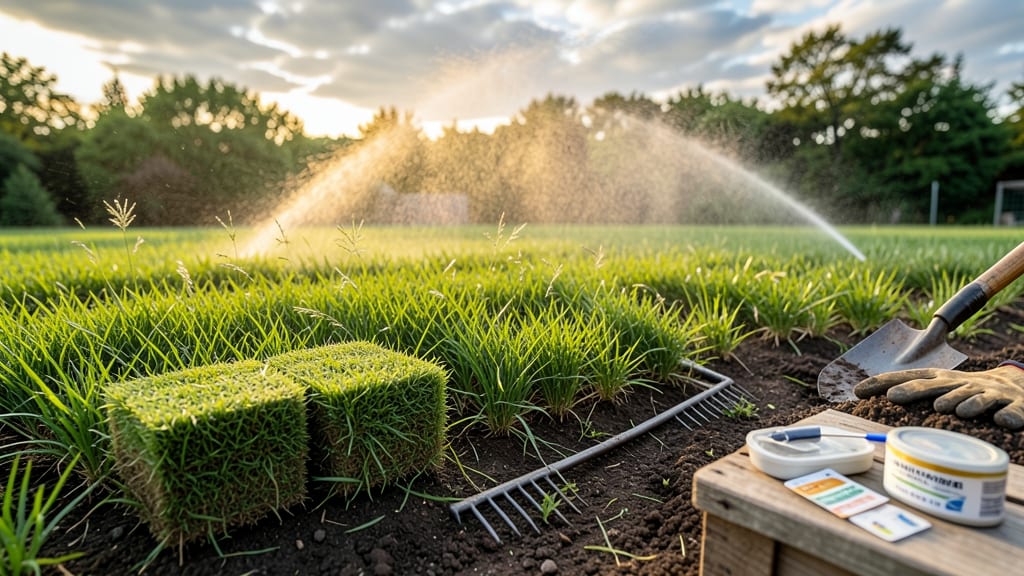
Planting Bermuda grass at the wrong time in Virginia can mean the difference between a lush, green lawn and months of patchy, struggling growth—so timing is everything. With 6a-8a zones across the state, you’ve got a narrow window to get it right, especially when frost lingers until mid-April.
The key isn’t just waiting for spring; it’s understanding how soil temperatures and humidity play into your late spring to early summer planting schedule.
Most Virginia gardeners swear by planting Bermuda grass after the last frost, when soil hits 65°F—typically April to June. But here’s the catch: planting too early risks frost damage, while waiting too long means your grass competes with weeds for sunlight.
I’ll break down the exact months that work best for your specific heat zone, so you can avoid those common mistakes.
Why does this matter? Because Bermuda grass thrives in summer heat, and getting it in the ground at the right time means faster establishment and fewer headaches.
You’ll learn how to prep your soil, when to water, and even how to tell if your timing is off before it’s too late. Let’s make sure your lawn gets off to the best possible start.
From choosing between seed and sod to adjusting for Virginia’s humid summers, I’ve got the insider tips to help your Bermuda grass take root strong. Ready to transform your lawn from patchy to picture-perfect? Let’s dive in.
Optimal planting windows for Bermuda grass in Virginia’s heat zones 7-8
Virginia’s heat zones 7-8 create unique challenges for Bermuda grass planting, where timing directly impacts establishment success. Unlike cool-season grasses, Bermuda thrives in warm soil temperatures—planting too early risks frost damage, while waiting too long may lead to summer drought stress.
Understanding your specific USDA zone (7a, 7b, 8a, or 8b) helps pinpoint the perfect window for either spring or fall planting.
Most Virginia gardeners opt for late spring planting (after last frost), but fall can work in warmer zones (8a/8b). The key is soil temperature: Bermuda grass seeds need at least 65°F soil to germinate properly.
In Zone 7a, this typically means waiting until mid-May, while Zone 8b gardeners can start as early as late April.
Frost risk is the biggest early-season hurdle. Even a light frost can kill new Bermuda grass seedlings, so always check your local last frost date (usually mid-April in Zone 7a to early April in Zone 8b). Planting too soon means your grass may brown and die before establishing roots.
| Zone | Ideal Planting Window | Soil Temp Requirement | Frost Risk | Best Method |
|---|---|---|---|---|
| 7a | Late May - Early June | 65°F+ (consistent) | High (last frost: mid-April) | Sod preferred (faster establishment) |
| 7b | Mid-May - Late May | 65°F+ (consistent) | Moderate (last frost: early April) | Seed or sod (both work) |
| 8a | Late April - Early May | 65°F+ (consistent) | Low (last frost: late March) | Seed (cheaper, faster spread) |
| 8b | Late April - Mid-May | 65°F+ (consistent) | Minimal (last frost: early April) | Seed or sod (fall planting possible) |
| All Zones | Late August - Early September (fall option) | 70°F+ soil (warmer zones only) | None (post-labor day) | Seed only (sod less common) |
🌱 Pro Tip: Use a soil thermometer to verify temperatures before planting.
For Zone 7a gardeners, the late May to early June window is critical—this ensures your Bermuda grass gets 6-8 weeks of warm weather before Virginia’s first fall frost (typically mid-November). In Zone 8b, you have more flexibility, with late April to mid-May being ideal for spring planting.
Fall planting is only recommended for Zone 8a/8b between late August and early September. The goal is to give seeds 6-8 weeks of growth before winter dormancy. However, fall-planted Bermuda grass may not fully establish until spring, so it’s riskier than spring planting.
If you’re unsure about your exact planting window, watch for these signs: consistent soil temps above 65°F, daytime highs above 75°F, and no frost predictions for 2 weeks. A simple soil thermometer (available at garden centers for ~$10) takes the guesswork out of timing.
Remember, Bermuda grass is aggressive and fast-spreading once established, but poor timing can leave you with bare patches for months. Whether you choose seed or sod, align your planting with your local heat zone for the best results.
Spring planting risks vs. fall planting benefits for Virginia lawns
When deciding between spring vs. fall planting for Bermuda grass in Virginia, timing directly impacts your lawn's success. While many gardeners default to spring planting, Virginia's humid summers and late frosts create unique challenges that make fall planting surprisingly advantageous for Bermuda grass establishment.
Spring planting offers the advantage of longer growing days before winter, but Virginia's unpredictable spring weather—including late frosts and sudden heatwaves—can stress young Bermuda grass plants. The soil temperature must reach at least 65°F for optimal germination, which often occurs in late May or June in most Virginia zones.
Fall planting, on the other hand, allows Bermuda grass to establish strong root systems before winter dormancy. Virginia's mild autumn temperatures (60-70°F) create ideal conditions for root growth without the heat stress of summer. This head start means your lawn will be thicker and more resilient by spring.
Here's how Virginia's climate specifically affects each approach:
Spring Planting Risks
Virginia's last frost often occurs in mid-April, risking damage to young seedlings planted too early.
Spring weeds germinate quickly, competing with Bermuda grass for water and nutrients during critical establishment.
Early summer heat can cause dormancy stress in young plants before they establish deep roots.
Virginia's humid summers can lead to fungal issues if planting occurs during peak humidity months.
Fall Planting Benefits
Cooler fall temps encourage deep root growth before winter dormancy.
Fewer weeds germinate in fall, giving Bermuda grass a competitive advantage.
Fall planting misses the peak summer heat that can stress young plants.
Established roots mean quicker green-up in spring compared to spring-planted lawns.
For Virginia gardeners, the ideal fall planting window is late August through September, when soil temperatures remain warm enough for germination but humidity levels are lower than peak summer. This timing allows Bermuda grass to establish 4-6 weeks of growth before winter dormancy begins.
However, if you must plant in spring, aim for late May to early June when soil temperatures consistently stay above 65°F. This timing gives your Bermuda grass enough time to establish before Virginia's summer heat intensifies.
Remember to water deeply during establishment to combat both drought stress and weed competition.
My recommendation? For Virginia's climate, fall planting offers the best chance for a thicker, more resilient Bermuda grass lawn with minimal stress. The trade-off of a slightly shorter growing season before winter is more than made up for by the stronger root system your grass will develop. 🌱