
Plants
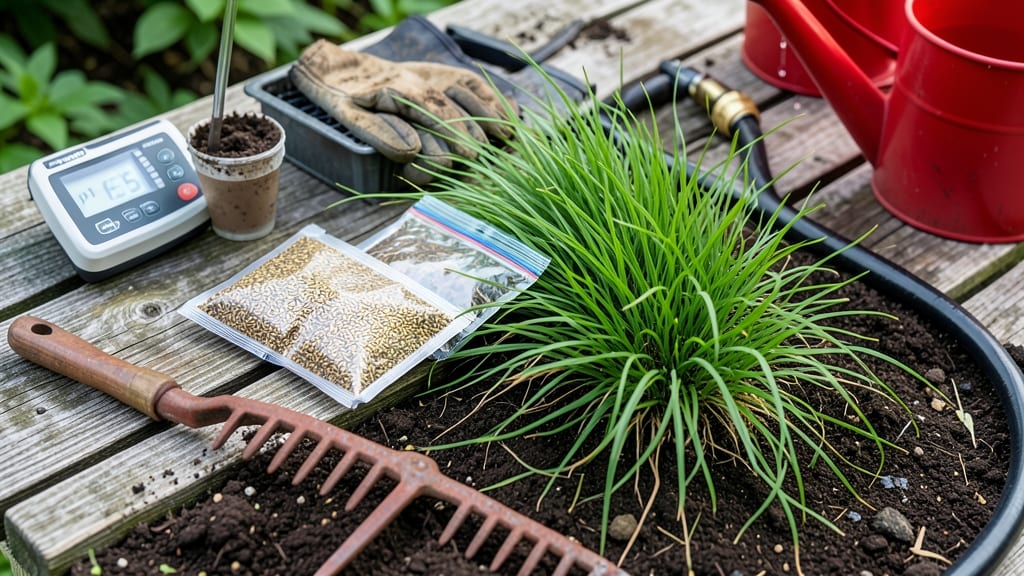
Planting your Bermuda grass seed 🌱 in North Carolina at the wrong time could mean months of frustration watching your lawn stay patchy or fail entirely.
The key isn't just picking a month—it's waiting for soil temperatures to hit 65°F+ and avoiding those tricky early spring frosts that still sneak in after March.
I've seen firsthand how timing can make or break your lawn's success, and I'm here to share exactly when to plant for that thick, green carpet you're dreaming of.
Most NC gardeners swear by late April to mid-May as the perfect window—right after your last frost date—but there's actually a second chance in late summer if you missed the spring.
The difference between these two planting times comes down to heat, moisture, and how fast your grass needs to establish before winter rolls around. Let me break down why these months work best for your specific climate zone, whether you're in the Piedmont or the coastal plains.
What you'll discover here isn't just about dates—it's about preparing your soil, choosing the right seed variety for your NC zone, and avoiding those common mistakes that leave lawns looking like Swiss cheese.
We're talking soil temperature tests, proper watering schedules, and even how to outsmart weeds before they get a foothold. Trust me, skipping these steps is how you end up with a lawn that looks good in photos but falls apart under real use.
Ready to transform that bare soil into a durable, drought-resistant lawn? I'll walk you through every step—from the exact months to plant in your area to the post-planting care that keeps your Bermuda grass thriving through NC's hot summers and mild winters. Let's get that grass growing the right way.
Best months to plant Bermuda grass seed in NC (and why timing matters)
North Carolina’s diverse climate—from the humid Coastal Plain to the cooler Mountain regions—means Bermuda grass seed thrives only when planted at the right time. Unlike cool-season grasses, Bermuda grass is a warm-season grass that demands soil temperatures above 70°F to germinate properly.
Planting too early risks frost damage, while waiting too late delays your lush green lawn. Let’s break down the optimal planting windows for each NC region.
For most of North Carolina, the best window to plant Bermuda grass seed is between late April and mid-May. This aligns with when soil temperatures consistently stay above 70°F, ensuring strong germination and rapid root establishment.
However, regional variations mean Coastal NC can start slightly earlier (early April), while the Mountains may wait until early June. Understanding these differences is key to avoiding costly mistakes.
Soil temperature is the most critical factor—never plant when the ground is still cool. Use a soil thermometer to confirm temperatures. Bermuda grass seeds won’t sprout below 65°F, and growth slows dramatically below 70°F. In USDA Zones 6a-7a (common in the Piedmont and Mountains), aim for late May to ensure safety from late spring frosts.
Here’s a quick reference for NC’s three main regions to help you plan:
If you miss the spring window, don’t despair—Bermuda grass can also be planted in late summer (August), but this requires careful timing to allow roots to establish before fall frosts.
In Coastal NC, August planting is riskier due to hurricane season, while the Piedmont and Mountains have more flexibility. Always check your local frost dates to avoid planting too late.
One common mistake is planting Bermuda grass seed in shade, which weakens growth and invites weeds. Ensure your lawn gets 6+ hours of direct sunlight daily. Another pitfall is overwatering or underwatering—Bermuda grass needs consistent moisture during germination but can’t handle soggy soil.
Aim for ½ inch of water per week, delivered in the early morning to reduce evaporation and fungal risks.
For best results, test your soil’s pH before planting—Bermuda grass prefers a range of 6.0–7.0. If your soil is too acidic or alkaline, amend it with lime (to raise pH) or sulfur (to lower pH) at least 4–6 weeks before planting.
This step is often overlooked but makes a huge difference in seedling success.
Finally, consider your lawn’s current state. If you’re overseeding an existing lawn, mow it short (about ½ inch) and remove thatch before planting. For new lawns, till the soil to a depth of 3–4 inches to create a loose, seed-friendly bed.
These preparations help Bermuda grass seeds make strong root contact with the soil, leading to faster germination and a thicker lawn.
Timing your Bermuda grass planting correctly in NC isn’t just about the calendar—it’s about soil warmth, regional climate, and proactive care. By following these guidelines, you’ll set your lawn up for successful germination and a durable, green carpet all summer long. 🌱
How to prepare your NC lawn for Bermuda grass seed planting (step-by-step)
Before you plant Bermuda grass seed in North Carolina, proper preparation is key to avoiding patchy growth and ensuring strong root establishment. Clay-heavy soils common in NC need special attention, and weed control must happen before seeding—not after.
I’ll walk you through the exact steps, from testing your soil to creating the perfect seedbed, using both professional tools and budget-friendly alternatives.
North Carolina’s humid summers and variable soil pH levels (often too acidic) can derail your Bermuda grass lawn if you skip these prep steps. The ideal pH range is 6.0–7.0, and weed suppression is non-negotiable. Let’s get your lawn ready for planting like a pro—without breaking the bank.
Step-by-Step Prep for Bermuda Grass Seed
- 1 Test Your Soil: Use a soil test kit (available at garden centers for ~$15) or send a sample to NC State Extension for a detailed report. Focus on pH levels and organic matter—Bermuda grass thrives in 6.0–7.0 pH.
- 2 Adjust pH if Needed: If your soil is too acidic (<6.0), add lime (pelletized lime is easiest). For alkaline soil (>7.0), mix in sulfur or peat moss. Work these amendments into the top 2–3 inches of soil 4–6 weeks before planting.
- 3 Control Weeds: Apply a pre-emergent herbicide (like pendimethalin) 2–3 weeks before planting to block weed seeds. For existing weeds, use a post-emergent (glyphosate) and wait 10–14 days before seeding.
- 4 Loosen Clay Soil: Rent a rototiller or use a broadfork to break up compacted clay. Mix in compost or sand (50/50 ratio) to improve drainage. For large areas, consider a lasagna mulch method with cardboard and compost.
- 5 Create a Smooth Seedbed: Rake the soil to remove debris and create a fine, level surface. For clay, add a thin layer of topsoil (if budget allows) or use a seed starter fertilizer (like 10-10-10) to boost germination.
- 6 Water Before Planting: Moisten the soil 1–2 days before seeding to ensure seeds make contact with damp earth. Aim for 1/2 inch of water per week during germination (use a rain gauge to track).
For budget-friendly alternatives, swap expensive tools for DIY solutions: Use a shovel and wheelbarrow to mix soil amendments, or rent a tiller by the hour instead of buying. If your yard has shady spots, Bermuda grass won’t thrive—consider overseeding with fescue in those areas instead.
Once your seedbed is prepped, you’re ready to plant Bermuda grass seed in late spring when soil temps hit 70°F+. Keep the area consistently moist for the first 3 weeks, and avoid walking on it until the grass reaches 3–4 inches tall.
Patience during this phase pays off with a dense, drought-resistant lawn by summer.
Pro tip: Mark your planting date on a calendar and set reminders for watering schedules and fertilizer applications every 6–8 weeks. Bermuda grass rewards consistency—skip steps, and you’ll end up with thin patches or weeds taking over.