
Plants
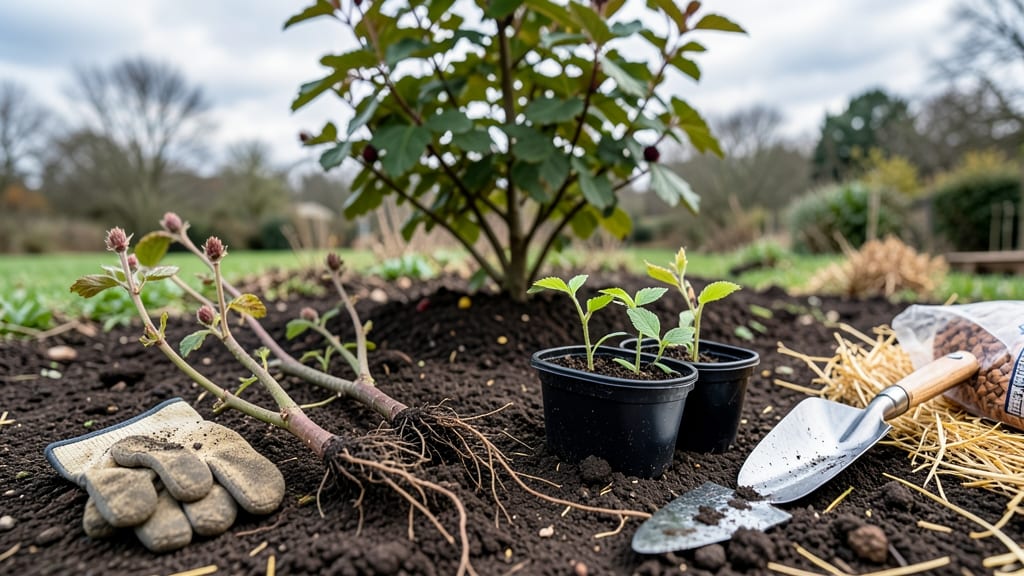
Planting blackberries in Louisiana at the wrong time can turn your dream bramble into a struggling vine—especially when you're dealing with 300+ chill hours and summer heat.
The key to thriving 🫐 bushes lies in matching your variety to Louisiana's 8a-9b climate and planting during the ideal windows of late winter or fall.
Most gardeners in Louisiana rush to plant in early spring, but that can expose young canes to unpredictable frost or scorching summer sun. Instead, timing your planting for October-November or February-March gives roots time to establish before the real heat arrives.
This small adjustment makes all the difference in fruit production.
I've tested different varieties and planting schedules, and what works best depends on whether you're growing primocanes (summer-bearing) or floricane (fall-bearing) types. Let me walk you through the exact schedule that'll have your blackberries thriving in Louisiana's unique climate—no guesswork, just proven results.
From soil prep to variety selection, I'll cover everything you need to know to avoid common mistakes and get the most out of your blackberry patch. Let's get those canes growing strong so you can enjoy homegrown berries all summer long.
Louisiana blackberry planting windows by chill-hour requirements
Louisiana’s warm winters mean most blackberry varieties thrive here—but not all. The key is matching your blackberry variety to its chill-hour requirements and planting during the optimal window. Chill hours are the number of hours below 45°F (7°C) a plant needs to break dormancy and fruit properly.
Louisiana’s USDA Zones 8a-9b typically see 200-500 chill hours, so choosing the right variety and timing is critical for success.
Planting at the wrong time can lead to weak root systems, poor fruit set, or even plant death. In Louisiana, the best times to plant are late winter (February-March) or fall (October-November), but the exact timing depends on your blackberry’s chill-hour needs.
Fall planting gives roots time to establish before summer heat, while spring planting avoids winter stress.
Here’s how to match your blackberry variety to Louisiana’s chill-hour zones and plant at the perfect time for maximum success:
For 0-300 chill-hour varieties, fall planting in October-November is ideal. These varieties, like 'Arapaho' and 'Navajo', thrive in Louisiana’s mild winters and need minimal chill hours. Planting in fall allows roots to establish before summer’s intense heat, giving your blackberries a head start.
Avoid planting in December or January, as cold snaps can stress young plants before they’ve had time to root.
Varieties requiring 300-500 chill hours, such as 'Ouachita' and 'Apache', offer flexibility. You can plant in October for fall establishment or wait until February-March for spring planting.
Spring planting reduces the risk of winter dieback from unexpected cold snaps, while fall planting ensures roots are well-established before the heat of summer. Choose based on your local frost dates—most of Louisiana sees its last frost around February 15.
If you’re growing a 500+ chill-hour variety like 'Natchez', stick to spring planting (February-March). These varieties are less common in Louisiana but may appeal to gardeners seeking larger berries. Fall planting risks insufficient chill hours, leading to poor fruit production or no fruit at all.
Spring planting ensures your blackberries get the dormancy they need before the growing season begins.
Timing matters because blackberries need 6-8 weeks of root establishment before summer’s heat arrives. Planting too early (like in September) leaves roots vulnerable to drought, while planting too late (like in April) delays growth and reduces fruit yield.
Aim for a 60-day window before peak summer heat—typically October-November for fall or February-March for spring—to give your blackberries the best chance to thrive.
Pro tip: Amend your soil with compost or well-rotted manure before planting to improve drainage and fertility. Louisiana’s clay-heavy soils can become waterlogged, so raised beds or mounded rows are excellent choices for blackberries.
Mulch heavily with straw or pine needles to retain moisture and regulate soil temperature, especially during the critical root-establishment period.
Once planted, monitor your blackberries for signs of stress, like yellowing leaves or stunted growth, which can indicate poor timing or soil issues. Adjust watering as needed—deep watering 2-3 times per week during establishment helps roots grow strong.
With the right variety and planting window, your Louisiana blackberries will reward you with juicy, sweet berries from late spring through summer.
🌱
Top 5 Louisiana-adapted blackberry varieties and their ideal planting times
Louisiana’s warm winters and hot summers demand heat-tolerant blackberry varieties that thrive with minimal chill hours. Choosing the right type ensures vigorous canes and abundant fruit production despite the region’s humidity.
The top 5 varieties for Louisiana—Arapaho, Navaho, Ouachita, Apache, and Natchez—each have unique chill-hour needs and planting windows tailored to our climate zones.
Most Louisiana gardeners plant blackberries in late winter to early spring (February–March) or fall (October–November). Fall planting gives roots time to establish before summer heat, while spring planting avoids late-winter freezes. Chill-hour requirements (0–300 hours) are critical—varieties like Apache need almost none, while Natchez tolerates slightly more.
| Variety | Chill Hours | Best Planting Window | Heat Tolerance | Fruit Color |
|---|---|---|---|---|
| Arapaho | 0–200 | Oct–Nov or Feb–Mar | Excellent | Black |
| Navaho | 0–150 | Oct–Nov or Feb–Mar | Very High | Black |
| Ouachita | 0–100 | Oct–Nov (best) | Exceptional | Black |
| Apache | td style="padding: 8px; border-bottom: 1px solid #4b7d4f;">0–50Oct–Nov (best) | Extreme | Red | |
| Natchez | 200–300 | Feb–Mar (best) | High | Black |
Arapaho and Navaho are top choices for Louisiana’s USDA Zones 8a–9b, requiring 0–200 chill hours. Plant them in October–November for root establishment before summer heat. Ouachita and Apache are even more heat-tolerant, thriving with 0–100 chill hours—ideal for southern Louisiana’s warmer microclimates.
For cooler inland areas (e.g., Zone 8a), Natchez (200–300 chill hours) performs well when planted in February–March. Avoid spring planting in Zone 9b—late-winter freezes can damage tender canes. Always mulch heavily (4–6 inches) to protect roots from temperature swings.
After planting, prune canes to 12–18 inches tall in early spring, removing all but the strongest floricanes (last year’s canes). This encourages fruit production and improves airflow, reducing fungal diseases like anthracnose. Louisiana’s humidity demands regular fungicide sprays during wet seasons.
With the right variety and timing, your blackberries will reward you with juicy, flavorful fruit from May through August. Start with well-draining soil (pH 5.5–6.5) and full sun—then let Louisiana’s climate work in your favor! 🫐🌱