
Plants
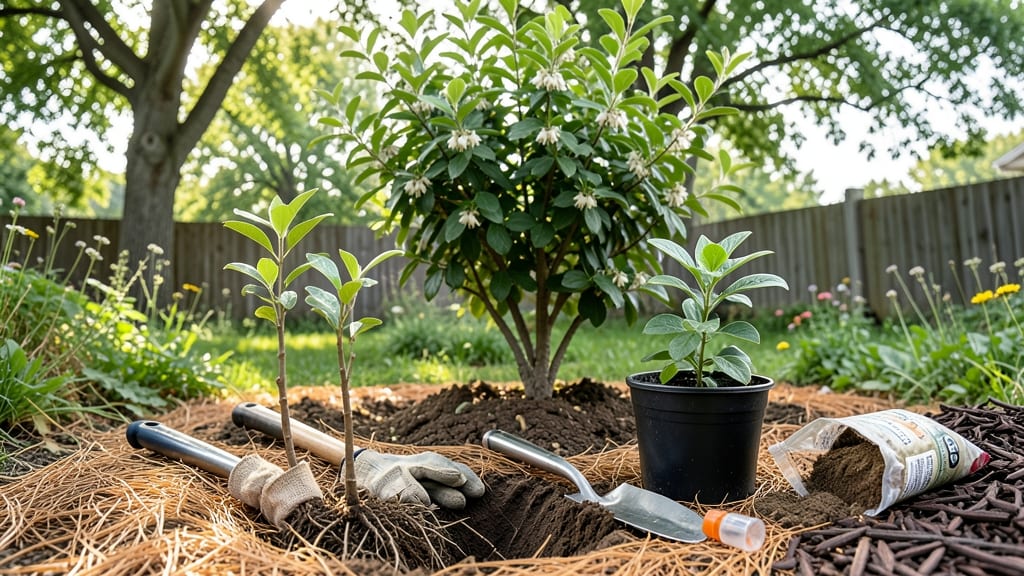
Planting blueberries in Iowa at the wrong time can mean the difference between a thriving 🫐 bush and one that struggles to survive. The key to success lies in timing—whether you choose early spring or fall—because Iowa’s 5a-5b climate demands precision to avoid frost damage or stunted growth.
Most gardeners in Iowa swear by planting in March or April, when the soil warms enough for roots to establish before summer’s heat sets in. But fall planting in September or October also works, giving young bushes time to develop strong roots before winter.
Either way, you’ll need acidic soil and protection from harsh winds to set your blueberries up for a July-August harvest.
I’ve tested both methods in my own garden, and the results speak for themselves: the right timing means faster fruiting and bigger yields. If you’re ready to grow your own blueberries, I’ll walk you through the best months, soil prep, and care tips tailored specifically for Iowa’s growing season.
Let’s get your blueberry bushes off to the best possible start—because patience now pays off with a bountiful harvest later.
Best planting months for blueberries in Iowa by variety and hardiness zones
Iowa’s hardiness zones 4-6 create distinct windows for planting blueberries, where timing directly impacts root establishment and winter survival. Northern Iowa (Zones 4-5) faces earlier frost risks, while southern Iowa (Zone 6) enjoys slightly longer growing seasons.
The key? Plant when soil temperatures reach 45°F (7°C)—cold enough to prevent shock but warm enough for root growth.
For spring planting, aim for March-April in northern Iowa and April-May in southern regions. Fall planting (September-October) gives roots time to establish before winter, but avoid planting too late—6 weeks before first frost is ideal.
Varieties like ‘Bluecrop’ and ‘Patriot’ thrive in these windows, while ‘Jersey’ benefits from early spring starts.
Soil temperature is non-negotiable: roots won’t grow below 40°F (4°C). Use a soil thermometer to confirm readiness—this prevents transplant shock and ensures vigorous growth. In Iowa’s Zone 5b, for example, March planting often aligns with 50°F (10°C) soil temps, perfect for dormant bare-root plants.
| Variety | Zone | Best Planting Month | Soil Temp Threshold | Notes |
|---|---|---|---|---|
| ‘Bluecrop’ | 4-6 | March-April (Spring) or September (Fall) | ≥45°F (7°C) | Mid-season, reliable yield |
| ‘Jersey’ | 5-6 | Early April (Spring) | ≥40°F (4°C) | Early producer, cold-sensitive |
| ‘Patriot’ | 4-5 | Late March (Spring) | ≥45°F (7°C) | Compact, cold-hardy |
| ‘Duke’ | 5-6 | April-May (Spring) | ≥50°F (10°C) | Late-season, heat-tolerant |
| ‘Earliblue’ | 4-5 | Early April (Spring) | ≥40°F (4°C) | Early ripening, small bushes |
In Zone 4-5, prioritize late March to early April for spring planting. This aligns with soil warming trends and avoids late frosts that can damage tender new shoots.
For fall planting, September is ideal—roots establish before winter, but avoid October in colder microclimates. ‘Patriot’, for example, thrives in these conditions due to its cold-hardiness.
Southern Iowa’s Zone 6 offers flexibility: extend spring planting to May if early months are too wet. However, ‘Jersey’ and ‘Duke’ prefer earlier starts (April) to maximize fruiting time.
Always check local frost dates—Iowa’s average last frost is April 15, but microclimates (like river valleys) can vary by 2 weeks.
Protect young plants from late spring frosts using row covers or mulch. In fall, mulch with pine needles (to lower pH) and straw to insulate roots. Dormant bare-root plants are best for Iowa’s climate—they handle cold soil better than potted varieties.
Soak roots for 1-2 hours before planting to reduce transplant shock.
For container growing, plant in late spring (May) when soil temps stabilize. Containers warm faster, so avoid early starts. ‘Bluecrop’ in pots needs acidic soil mixes (pH 4.5-5.5) and consistent moisture. In-ground plants benefit from raised beds in heavy clay soils (common in Iowa) to improve drainage.
Watch for leaf bud swelling—a sign roots are active and ready for transplant. If buds swell too early (before soil warms), delay planting by 2-3 weeks to prevent freeze damage. In Zone 5b, this often means shifting from March to late March/early April.
Post-planting, focus on mulching and watering depth. Blueberries hate wet feet, so ensure well-draining soil. In Iowa’s clay-heavy soils, amend with compost and peat moss before planting. ‘Patriot’, for instance, performs
How to time blueberry planting for Iowa’s unpredictable spring weather
Iowa’s late spring frosts and warm fall spells can throw off even the most experienced gardener. Blueberries, in particular, need precise timing to establish strong roots before winter. Planting too early risks frost damage to tender new growth, while waiting too long delays fruiting.
The key is reading soil temperatures and leaf bud activity—not just calendar dates.
Most Iowa gardeners target early spring (March–April) or early fall (September–October) for planting. Spring planting gives bushes a full season to root before winter, while fall planting allows them to establish before dormancy.
However, Iowa’s variable frost dates (often between April 15 and May 1) demand flexibility. If your soil stays frozen or soggy, delay planting until temperatures consistently stay above 40°F (4°C).
Northern Iowa (Zones 4-5): Wait until after May 1—frost can linger until then. Use row covers if planting earlier.
Southern Iowa (Zone 6): March 15–April 15 is ideal, but monitor soil temps with a thermometer.
Backup Plan: If soil is too cold, plant bare-root bushes in fall (September) for a head start.
Before planting, check for swollen leaf buds on your blueberry bushes—a clear sign they’re ready to break dormancy. These buds typically swell in late April for southern Iowa and early May for northern areas.
Pair this with a soil thermometer (available at garden centers) to confirm temperatures are above 50°F (10°C) at a 4-inch depth. Cold soil slows root growth and increases transplant shock.
To protect young plants from late frosts, use black plastic mulch or straw mulch (3–4 inches thick) to warm the soil faster. For extra insulation, cover plants with frost cloth if nighttime temps drop below 32°F (0°C).
In my garden, I’ve seen mulched beds warm 5–7°F (3–4°C) faster than bare soil, giving blueberries a critical edge in Iowa’s chilly springs.
If spring planting slips past your ideal window, don’t panic—fall planting (September–October) is a great backup. Blueberries planted in early fall have time to root before winter, often producing fruit 1–2 years sooner than spring-planted bushes.
Just avoid planting after October 15, when frost risk rises. For container-grown blueberries, fall planting works even later (up to November 1 in southern Iowa).
Pro tip: Group blueberries with companion plants like comfrey or thyme to improve soil acidity naturally. These plants also help retain soil warmth and deter pests. Pair this with a drip irrigation system to keep roots consistently moist during Iowa’s dry springs—a game-changer for first-year survival rates. 🌱