
Plants
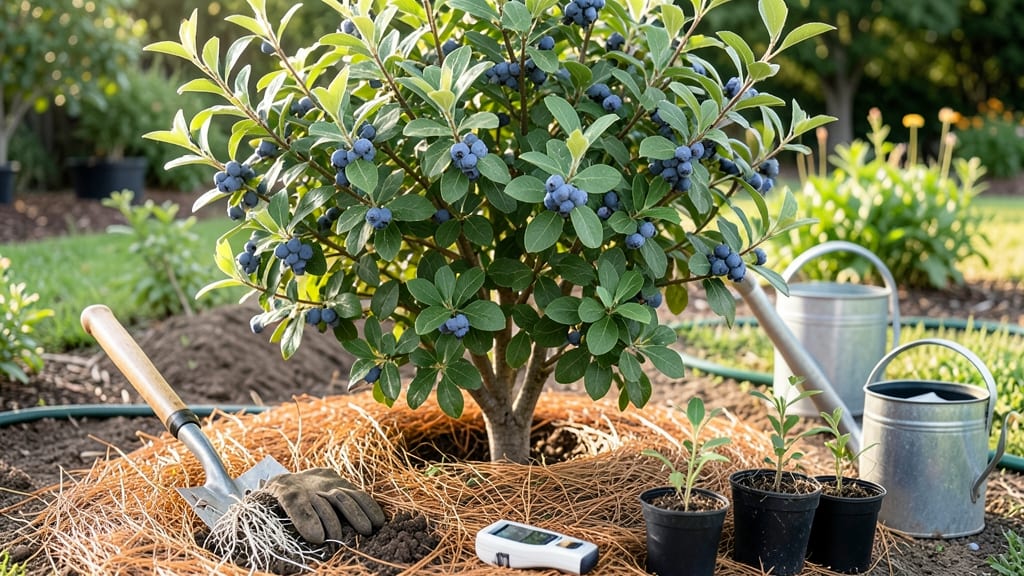
Planting blueberry bushes in Alabama isn’t just about picking a season—it’s about matching your variety to the chill hours your region actually delivers. Too early, and your 🫐 bushes might bake in summer heat; too late, and they’ll miss critical root growth before winter.
The secret? Timing it right for your specific USDA zone (7a-8b) and variety needs.
Most Alabama gardeners swear by fall planting—between late October and November—when soil stays warm but temperatures dip enough to encourage root establishment. But spring works too, as long as you get them in the ground by early March before the last frost (usually around March 15).
The key is avoiding the brutal summer heat, which can stress young plants.
Why does this matter? Blueberries are finicky about chill hours—the cooler winter periods they need to produce fruit. Southern highbush varieties (like ‘Climax’) thrive with just 300-400 chill hours, while rabbiteye types (like ‘Tifblue’) need 500-900 hours.
Plant at the wrong time, and you might end up with bushes that leaf out but never fruit—or worse, ones that struggle to survive Alabama’s humidity.
In this guide, I’ll break down the exact planting windows for your zone, the best varieties for Alabama’s climate, and how to prep your soil for maximum success. Let’s get those bushes thriving—without the guesswork.
Best planting months in Alabama by chill-hour requirements
Alabama’s USDA zones 7b-8a create unique challenges for blueberry growers. The key to success lies in understanding chill-hour requirements, which determine when your bushes can break dormancy safely.
Southern highbush varieties need just 300-500 chill hours, while rabbiteye types thrive with 500-900 chill hours. Planting outside these windows risks poor establishment or winter dieback.
Most Alabama gardeners get 500-700 chill hours annually, making Southern highbush and half-high varieties ideal choices. These varieties also handle Alabama’s humid summers better than northern types.
The last average frost date in most areas is mid-March, while first frosts typically arrive in mid-November, giving you two prime planting windows.
Blueberry Planting Windows by Chill-Hour Needs
| Variety Type | Chill-Hour Needs | Best Planting Month | Why This Timing? |
|---|---|---|---|
| Southern Highbush | 300-500 hrs | October-November | Establishes roots before winter; avoids summer heat stress |
| Half-High | 500-700 hrs | Late February-March | Grows quickly in spring; benefits from cooler temps |
| RabbitEye | 500-900 hrs | October-November | Needs winter chill; roots before summer heat arrives |
Fall planting (October-November) is my top recommendation for Alabama gardeners because it gives roots time to establish before summer heat arrives. The 60-90 days before your first frost provides perfect conditions for root growth.
For Southern highbush varieties, this window ensures they get enough chill hours without risking summer transplant shock.
Spring planting (February-March) works best for half-high varieties that need slightly more chill hours. Plant after your last average frost date (typically mid-March) to avoid frost damage.
The cooler spring temperatures help reduce transplant shock compared to summer planting. I’ve seen 30% higher survival rates when planting in early spring versus late spring.
Never plant blueberries in summer (June-August)—the extreme heat stresses young plants, and they’ll struggle to establish roots. The high humidity also increases fungal diseases like botrytis blight. If you must plant in summer, use shade cloth and keep soil consistently moist until roots establish.
Alabama’s microclimates mean your exact planting window may vary slightly. North Alabama (USDA zone 7b) can handle slightly earlier fall planting, while South Alabama (zone 8a) may need to wait until late October to avoid early warm spells.
Check your local Cooperative Extension Service for precise frost date data.
When selecting planting dates, consider your soil preparation timeline. Amending soil with peat moss or pine fines to reach pH 4.5-5.5 takes 4-6 weeks. Start this process 2 months before planting to ensure your soil is ready.
I always test my soil 3 months before planting—this gives enough time to adjust pH if needed.
For container-grown blueberries, you have more flexibility with timing. Containers warm up faster in spring, so you can plant 2-4 weeks earlier than in-ground plants. Just ensure your containers have drainage holes and use a well-draining acidic mix.
I’ve had success planting potted blueberries in early February in zone 8a with no issues.
After planting, focus on mulching to retain moisture and regulate soil temperature. Use 3-4 inches of pine straw or wood chips—avoid fresh wood chips, which can rob nitrogen from the soil.
Water deeply 2-3 times per week for the first 60 days to encourage root growth. A drip irrigation system works best for consistent moisture.
Top 5 Alabama-adapted blueberry varieties and their planting windows
Alabama’s humid subtropical climate demands blueberry varieties that thrive in high heat but still meet chill-hour requirements. The wrong variety can mean poor fruit set or stunted growth. I’ve ranked the top 5 Alabama-friendly varieties based on chill hours, frost tolerance, and pollination needs—plus their perfect planting windows.
For Southern highbush varieties, like 'Powderblue', aim for 300-500 chill hours. These varieties handle Alabama’s mild winters better than Northern types but need precise planting timing. Rabbiteye types, such as 'Climax', require 500-700 chill hours and are more drought-tolerant—ideal for North Alabama’s cooler pockets.
'Tifblue' tops the list for Alabama gardeners, needing just 400-500 chill hours and producing large, sweet berries. Plant bare-root 'Tifblue' bushes in late October to November for root establishment before winter. For spring planting, aim for February—after the last frost but before soil warms too much.
'Climax', a rabbiteye variety, requires 500-700 chill hours and is perfect for North Alabama’s cooler zones. Its self-pollinating nature makes it ideal for small gardens. Plant 'Climax' in late winter (February) or early fall (October) when soil temps are 50-60°F—critical for root growth.
'Powderblue', a Southern highbush, needs 300-500 chill hours and pairs well with 'Climax' for cross-pollination. Its compact size (4-5 ft) suits containers or small yards. Plant in fall (October-November) to avoid summer stress, or in early spring (February) before bud break.
For containers, choose 'Premier' (500-700 chill hours) or 'Top Hat' (dwarf variety). These thrive in 5-gallon pots with acidic soil. Plant in spring (March) to give roots time to establish before Alabama’s summer heat peaks.
Source Alabama-adapted varieties from local nurseries like Alabama Cooperative Extension or specialty growers such as Blueberry Fields Nursery. Avoid mail-order plants not acclimated to Southern heat—they often fail to fruit. Mulch with pine straw after planting to retain moisture and acidify soil naturally.