
Plants
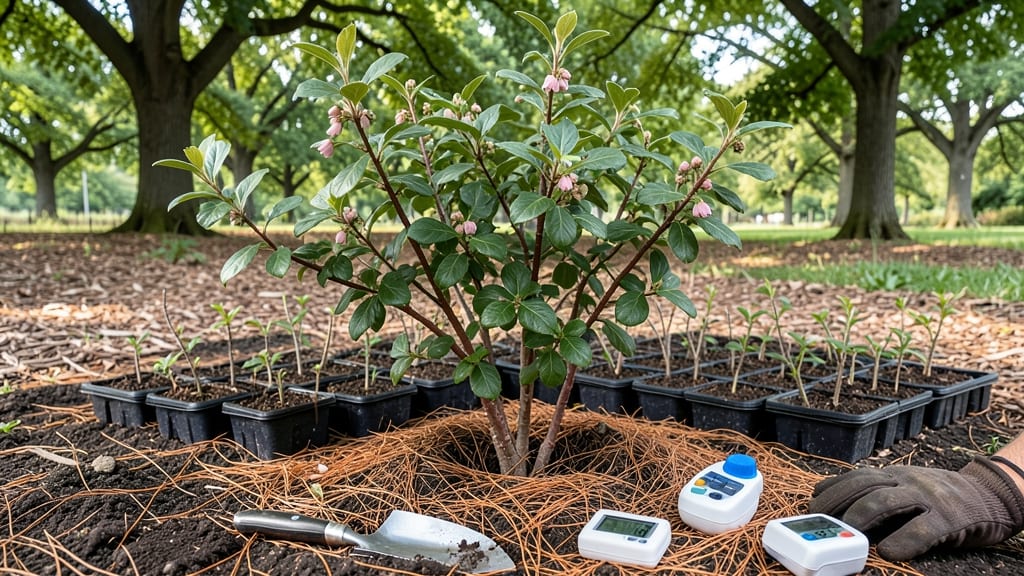
Planting blueberries in Minnesota isn’t just about grabbing a shrub and sticking it in the ground—it’s about outsmarting frost dates, soil quirks, and the 3-5 zone challenges that can turn your 🫐 dreams into disappointment.
The difference between thriving bushes and stunted failures often comes down to when you plant, not just how.
If you’ve ever watched your blueberries struggle through a Minnesota winter or fail to fruit because of timing, you’re not alone. The key isn’t memorizing a calendar—it’s understanding the subtle cues your climate gives you, from soil temperature to last-frost averages.
I’ll show you exactly when to plant for maximum success, whether you’re in the Twin Cities or Duluth.
Spring planting gives your bushes a head start, but fall offers a quieter, less stressful transition—if you time it right. We’ll break down the critical windows (and what happens if you miss them) so your blueberries get off to the best possible start.
No more guesswork, just proven strategies for Minnesota’s unpredictable weather.
Ready to grow blueberries that burst with flavor year after year? Let’s dive into the frost-date secrets that’ll turn your backyard into a sweet, berry-filled oasis—starting with the perfect planting moment for your zone.
Minnesota blueberry planting dates by USDA hardiness Zone (with frost-date map)
Minnesota’s USDA Zones 3-5 create unique challenges for blueberry growers, where late spring frosts and early winter freezes can devastate young plants. The key to success? Planting when soil temperatures stay above 40°F and frost risk drops below 10%.
In my Zone 4 garden near the Twin Cities, I’ve learned that timing isn’t just about the calendar—it’s about reading the land.
Blueberries thrive when planted during their dormant season, either in early spring (as soon as soil is workable) or early fall (6-8 weeks before first frost). For Minnesota gardeners, this means April–May for spring and September–October for fall, with adjustments based on your specific zone.
Urban areas like Minneapolis often warm up 1–2 weeks earlier than rural zones near Duluth, so pay attention to microclimates.
Here’s how I break it down by zone, including last-frost averages and soil temperature thresholds to guide your planting schedule:
| USDA Zone | Last Frost Date | Spring Planting Window | Fall Planting Window | Soil Temp Threshold | Notes |
|---|---|---|---|---|---|
| Zone 3 (Northwest MN) | May 15–20 | May 1–15 (after last frost) | September 1–15 | 45°F+ | Use cold-hardy varieties like Patriot or Northblue. |
| Zone 4 (Twin Cities) | May 1–10 | April 15–May 1 | September 15–30 | 40°F+ | Ideal for Bluecrop and Jersey varieties. |
| Zone 5 (Southeast MN) | April 25–May 5 | April 1–15 | October 1–15 | 38°F+ | Best for Duke and Bluegold varieties. |
| Urban Microclimates | 1–2 weeks earlier | Adjust by 7–10 days | Adjust by 7–10 days | Same as zone | Pavement and buildings create heat islands; plant 1 week earlier. |
For spring planting, I recommend waiting until the soil temperature consistently stays above 40°F (use a soil thermometer to check). In my Zone 4 garden, this usually aligns with late April to early May.
Planting too early risks root damage from frost, while waiting too long can stress young plants as they establish. I’ve found that bare-root plants thrive best when planted within 2–4 weeks of receipt.
Fall planting offers a longer window in Minnesota, but you’ll need to mulch heavily (4–6 inches of straw or wood chips) to protect roots from winter temperature swings. In Zone 3, I wrap young bushes with burlap and add an extra layer of mulch to insulate them.
For Zone 5, fall planting can extend into early October, but avoid planting after 6 weeks before first frost—roots won’t have enough time to establish.
One of my biggest lessons? Microclimates matter. My neighbor in Duluth (Zone 3) plants 2 weeks later than I do in the Twin Cities because of Lake Superior’s cooling effect.
To check your local frost dates, use the MN State Climatology Office’s frost map or ask nearby gardeners—every yard tells a different story. If
5 Critical signs your Minnesota soil is ready for blueberry planting (and how to fix it)
Blueberries thrive in acidic soil with perfect drainage, but Minnesota’s heavy clay or sandy soils often need adjustments. Before planting, check these 5 critical signs to ensure your soil is ready—because the wrong conditions mean poor growth or no berries at all. Let’s troubleshoot together!
First, grab a soil pH test kit (or DIY with vinegar/baking soda) to confirm your soil’s acidity. Blueberries demand a pH between 4.5 and 5.5. If your test shows higher, don’t panic—we’ll fix it with organic amendments like peat moss or pine needles.
This step is non-negotiable for sweet, plentiful harvests.
- Soil pH 4.5–5.5: Test with a kit or DIY method (vinegar/baking soda). If pH is too high, amend with sulfur or peat moss.
- Moist but well-draining: Minnesota’s clay soils? Mix in compost or sand. Sandy soils? Add organic matter to retain moisture.
- No standing water: Blueberries hate soggy roots. Raise beds or improve drainage with gravel or pine bark fines.
- Rich in organic matter: Work in aged compost or leaf mold to feed hungry blueberry roots.
- No weeds or pests: Clear the area and treat for voles or grubs before planting.
Next, assess your soil’s moisture retention. Stick your finger 2 inches deep—if it’s bone-dry, you’ll need to add organic mulch like wood chips. If it’s muddy, mix in perlite or coarse sand to prevent root rot.
Minnesota’s clay soils are notorious for compacting, so till in composted manure or coconut coir to loosen the earth.
Don’t overlook drainage tests. Dig a hole, fill it with water, and time how long it takes to drain. If water lingers beyond 6 hours, your soil is too dense.
Amend with pine bark or composted leaves to create air pockets. Proper drainage is just as vital as acidity—skip this, and your blueberries will struggle.
For organic amendments, blend 1/3 peat moss, 1/3 compost, and 1/3 pine needles into the top 12 inches of soil. This trio mimics the acidic, nutrient-rich forest floors where wild blueberries grow.
Spread a 3-inch layer of mulch around plants (but not touching the stems) to lock in moisture and suppress weeds.
Finally, watch for signs of improvement after amending: darker soil, better water absorption, and fewer weeds. Re-test pH in 2–3 weeks—if it’s still off, add more sulfur or cottonseed meal. With these fixes, your Minnesota soil will be blueberry-ready in no time!