
Plants
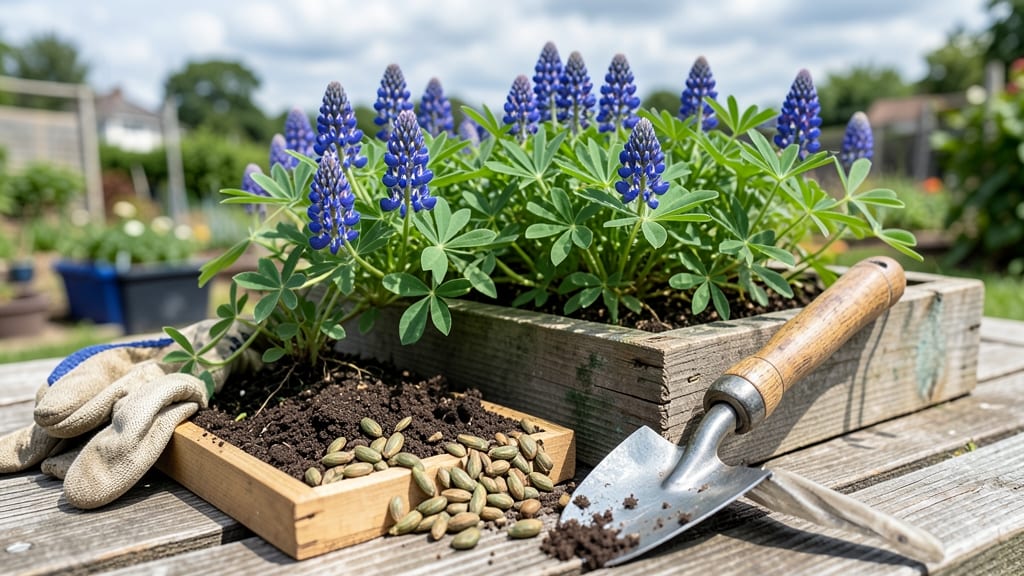
Planting bluebonnet seeds at the right time in Austin transforms your yard into a breathtaking blue carpet by spring—but get the timing wrong, and you’ll miss the show entirely. The ideal window is narrow, and understanding when to plant bluebonnet seeds in Austin is the key to success.
For Austin’s climate in zones 8a-9a, fall planting between September and November gives seeds the perfect chill period they need to germinate in spring.
This isn’t just about throwing seeds in the ground—it’s about working with nature’s rhythm, where cooler temperatures and seasonal rains do half the work for you.
I’ve seen firsthand how a little prep—like loosening the soil and scattering seeds lightly—makes all the difference. Whether you’re a seasoned gardener or just starting, these simple steps will help you avoid common pitfalls and ensure your bluebonnets thrive.
Ready to turn your Austin landscape into a springtime masterpiece? Let’s dive into the exact months, soil secrets, and care tips that’ll have your 🌸 bluebonnets blooming like clockwork.
Best planting months for bluebonnets in Austin’s climate zone
Austin’s bluebonnets (Lupinus texensis) thrive when planted during the city’s cool fall months, when temperatures drop below 80°F and summer’s brutal heat fades. This timing ensures seeds germinate properly before winter dormancy, setting the stage for those iconic spring blooms.
The USDA Zone 8a/8b climate gives Austin gardeners a narrow but crucial window—miss it, and your bluebonnets may never reach their full potential.
Fall planting is non-negotiable for Austin gardeners. Seeds sown in September or October have time to establish roots before winter’s chill sets in. Spring planting is possible but risky—seeds may germinate too late to bloom in the same season.
Let’s break down the exact timing, temperature thresholds, and rainfall considerations that make Austin’s bluebonnet magic possible.
| Planting Window | Ideal Months | Temperature Range | Rainfall Needs | Key Considerations |
|---|---|---|---|---|
| Primary Window | September–October | 60–80°F (daytime) | 0.5–1.5 inches/month | Seeds need moisture but not waterlogged soil. |
| Extended Window | Late August–November | 50–75°F (nighttime) | Natural rainfall preferred | Avoid planting after November 15—seeds may not germinate before frost. |
| Spring Alternative | February–March | 65–75°F (soil temp) | Consistent moisture | High risk of bolting (premature flowering) in Austin’s heat. |
| Hard Deadline | November 15 | N/A | N/A | Critical: Planting after this date risks seed freezing before germination. |
September is the golden month for Austin bluebonnet planting. By mid-September, daytime temperatures typically drop below 85°F, creating ideal conditions for seed germination. The soil remains warm enough to encourage root development while avoiding the heat stress that stunts young seedlings.
Aim to plant by September 30 to ensure seeds establish before Austin’s first frost, which usually arrives around December 1.
October extends the window but comes with increased risk. Planting in early October still offers a good chance of germination, but seeds sown after October 15 may struggle to break dormancy before winter.
Monitor soil temperatures—they should stay above 50°F for at least 4 weeks post-planting. Use a soil thermometer if you’re unsure; Austin’s microclimates can vary wildly even within neighborhoods.
Austin’s unpredictable rainfall adds another layer of complexity. Bluebonnet seeds need consistent moisture to germinate but drainage to avoid rot. September and October are typically drier than winter, so plan to water lightly (about ¼ inch per week) if natural rainfall falls short.
A drip irrigation system or soaker hose is ideal—it delivers water directly to the soil without disturbing seeds.
Spring planting is not recommended for Austin’s climate, but if you must try it, February is your best bet. Seeds planted in March or later often bolt (produce flowers too quickly) due to rising temperatures.
If you choose spring planting, use a shade cloth to protect seedlings from intense afternoon sun until they’re established. However, fall planting remains the gold standard for reliable bluebonnet blooms.
Don’t let Austin’s urban heat island effect fool you—even in the city, nighttime temperatures can drop sharply in fall. If you’re planting in November, cover seeds with a light layer of straw (about ¼ inch thick) to insulate them from cold snaps.
This simple trick can mean the difference between successful germination and a failed batch of seeds. Remember: bluebonnets are winter dormants, so they’ll lie low until spring’s warmth triggers blooming.
Pro tip: Pair your bluebonnet planting with companion plants like wildflowers or native grasses to create a low-maintenance meadow. These plants help suppress weeds and mimic Austin’s natural prairie ecosystems, where bluebonnets thrive. Just avoid overcrowding—
Step-by-step fall planting guide for maximum bluebonnet success
Fall is the perfect window to plant bluebonnet seeds in Austin, ensuring vibrant spring blooms. The key is preparing your soil and seeds before Austin’s unpredictable late-season rains arrive. Let’s break this down into simple, actionable steps to guarantee success.
Start by testing your soil’s pH level—bluebonnets thrive in slightly acidic to neutral soil (6.0-7.0). If your soil is too alkaline, amend it with compost or peat moss to create the ideal growing conditions. Austin’s clay-heavy soil often needs extra organic matter to improve drainage.
Your Bluebonnet Planting Roadmap
- 1 Prep the Soil: Clear debris and loosen top 2-3 inches of soil. Mix in 1 inch of compost to improve fertility and drainage. Austin’s clay soil benefits from this extra organic boost.
- 2 Scatter the Seeds: Sprinkle seeds sparingly (about 1/4 lb per 100 sq ft) directly on soil. Avoid burying them—bluebonnets need light to germinate. A light raking or straw mulch helps secure seeds without smothering them.
- 3 Water Gently: Keep soil moist but not soggy for the first 2-3 weeks. Use a spray nozzle to avoid displacing seeds. Austin’s fall rains can help, but monitor closely—overwatering causes seed rot.
- 4 Companion Plant: Pair bluebonnets with native grasses like buffalo grass or wildflowers like Indian paintbrush. These companions deter weeds and attract pollinators, boosting your garden’s resilience.
- 5 Winter Prep: Once seeds sprout, reduce watering to once every 10-14 days unless Austin’s dry spells persist. Mulch lightly with straw or leaves to protect seedlings from freeze-thaw cycles common in late fall.
After planting, avoid fertilizing—bluebonnets are light feeders and thrive in lean soil. Instead, focus on weed control to give your seedlings a fighting chance. Austin’s mild winters mean bluebonnets may sprout as early as December, but don’t rush—patience pays off with vibrant spring blooms.
If Austin’s late-season rains arrive unexpectedly, ensure your soil has good drainage to prevent waterlogging. Elevate beds slightly or add sand or perlite if your yard floods easily. With these steps, you’ll enjoy a sea of blue come spring—just like Austin’s famous highways! 🌸