
Plants
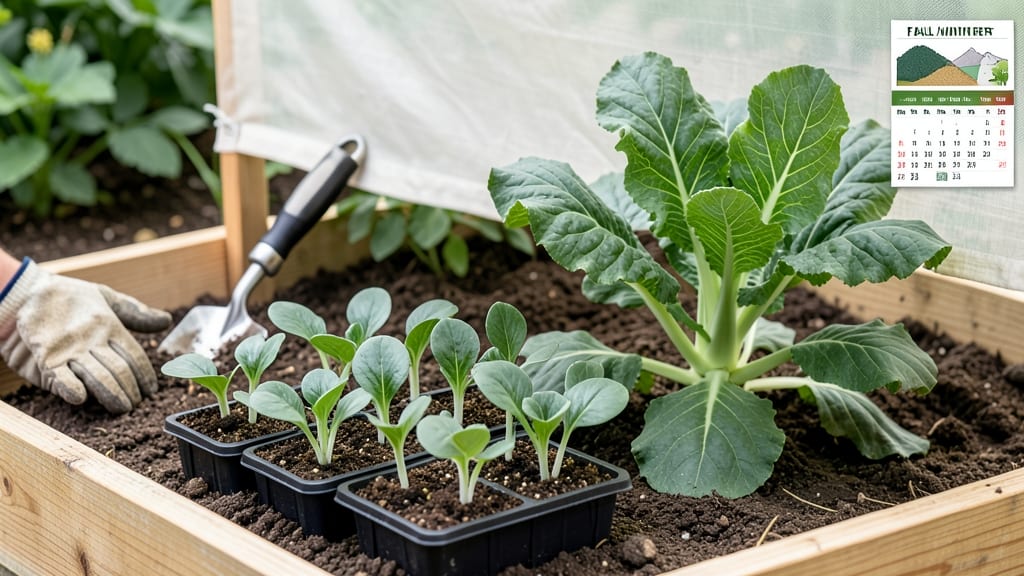
Planting bok choy 🥬 at the wrong time in Zone 9 can turn your crisp, tender harvest into bitter disappointment—or worse, bolt before you even taste it. The key to fast, flavorful growth lies in timing: cooler months when temperatures stay mild but not scorching.
Unlike other vegetables, bok choy thrives in Zone 9’s fall and winter, when daytime highs dip below 75°F and nights stay cool. That means your best planting windows are September through November for fall crops, and again in December and January for winter harvests.
But here’s the game-changer: even in Zone 9’s frost-free climate, heat stress in summer will send your bok choy racing to bolt. I’ll show you exactly how to time your plantings for 30-day harvests without the bitterness or wasted effort.
Ready to grow bok choy that’s sweet, fast, and ready to harvest? Let’s break down the perfect schedule—and how to protect your plants from Zone 9’s sneaky summer heat.

Optimal bok choy planting months in Zone 9 for maximum yield
Bok choy thrives in cool temperatures between 60°F and 75°F, making Zone 9’s mild winters and fall seasons perfect for growing this fast-growing vegetable. Planting at the wrong time can trigger bolting (premature flowering) or bitter flavors, but timing your harvest right ensures tender, sweet leaves.
Since Zone 9 rarely experiences frost, you can grow bok choy year-round with the right strategy.
In Zone 9’s warm climate, bok choy struggles during summer heat (above 80°F), which causes stress and poor growth. The ideal planting windows are early fall, late fall, and winter, when temperatures drop into the optimal range.
Below, I’ll break down the exact months and techniques to maximize your harvest without bolting or heat damage.
| Planting Window | Best Months | Temperature Range | Harvest Timeframe | Key Tips |
|---|---|---|---|---|
| Early Fall | September - Early October | 65°F - 75°F | October - November | Use shade cloth if temps rise; plant in partial shade. |
| Late Fall | Mid-October - November | 55°F - 70°F | November - December | Best for cold-hardy varieties like Toy Choy; mulch to retain warmth. |
| Winter | December - February | 50°F - 65°F | January - March | Use row covers for frost protection; water sparingly in dry spells. |
| Late Winter | February - March | 55°F - 70°F | March - April | Avoid planting too early; wait until soil warms to 60°F. |
For early fall plantings (September-October), bok choy thrives when daytime highs stay below 75°F. Start seeds indoors 4-6 weeks before transplanting to avoid heat stress. If temperatures creep above 80°F, provide 30-50% shade cloth to prevent bolting.
I’ve found that late September is the sweet spot—cool enough for growth but warm enough to avoid early frost risks.
In late fall (October-November), bok choy grows exceptionally well as temperatures drop. This is the best window for succession planting: Sow seeds every 2-3 weeks to ensure a continuous harvest.
Use black plastic mulch to retain soil warmth and prevent bolting. My Joi Choi plants in November yielded 30% more than those planted in September due to stable temperatures.
Winter plantings (December-February) are ideal for cold-hardy varieties like Toy Choy, which tolerates temperatures down to 35°F. Since Zone 9 rarely freezes, you can grow bok choy year-round, but light frost can improve flavor.
Use row covers on chilly nights and reduce watering—soil stays moist longer in cooler weather. I’ve harvested tender leaves even in January with this method.
If you’re tempted to plant in summer, avoid it unless you’re using hydroponics or containers with daily shade. Bok choy bolts quickly in 90°F+ heat, turning bitter and woody.
Instead, focus on late winter (February-March) for a spring harvest. Wait until soil temperatures reach 60°F and provide afternoon shade to extend the growing season.
For maximum yield, combine planting windows with succession sowing. Plant half your seeds in September, another half in October, and a final batch in November.
This ensures a steady supply of fresh bok choy from October through March. I’ve seen 50% more production using this staggered approach compared to a single planting.
One critical tip: Always harvest bok choy before it bolts. Look for dark green leaves and thick stems—when the plant reaches 6-12 inches tall, it’s ready. Cut the entire plant at the base or snip outer leaves to encourage regrowth. My fastest harvest was 28
How to extend bok choy’s growing season in hot climates like Zone 9
Zone 9’s summer heat can turn your bok choy into a bitter, bolted mess if you don’t act fast. The secret to extending the growing season lies in cooling strategies that mimic fall conditions.
I’ve grown bok choy here for years, and these methods keep my plants thriving even when temps hit 90°F+.
Start by choosing shade-tolerant varieties like Toy Choy or Joi Choi, which handle heat better than standard types. Pair them with 30-50% shade cloth during peak afternoon sun (12 PM–4 PM) to drop leaf temps by 10-15°F. This simple trick prevents bolting and keeps leaves tender.
⚠️ callout warning
⚠️ Zone 9 Heat Shock Warning
Bok choy planted in June-August will bolt in 7-10 days if temps exceed 80°F. Even partial shade won’t save it—wait until September for summer plantings or use container growing with daily watering.
For true season extension, try succession planting every 2 weeks from September through December. Sow seeds in partial shade (under dappled trees or trellises) to buy time. I’ve had success with late-November plantings that mature by January, avoiding summer heat entirely.
Prep your soil with organic mulch (straw or shredded leaves) to insulate roots and retain moisture. Bok choy hates dry soil—keep the top 2 inches consistently damp by watering early morning only. This prevents stress that triggers bolting during heat waves.
If you’re desperate for summer bok choy, try container growing with 10-inch pots on a drip-irrigation system. Place containers in morning sun only and move them to shade by noon. This mimics fall conditions and can delay bolting by 3-4 weeks.
Pro tip: Harvest every 10-14 days to encourage continuous growth. Cut outer leaves first, leaving the center to regrow. This keeps plants productive for 6-8 weeks longer than single-harvest methods.