
Plants
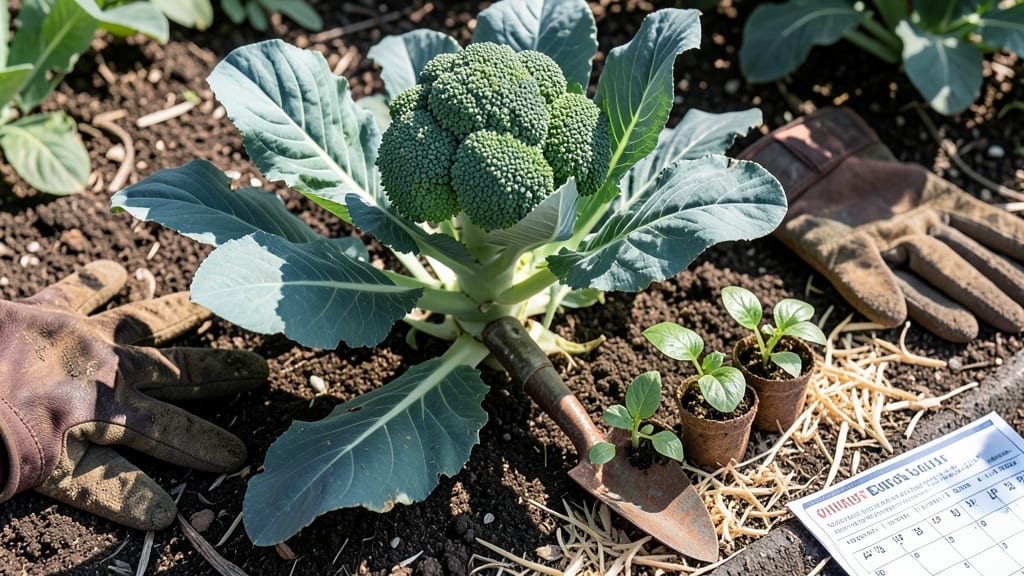
Planting broccoli in Colorado isn’t just about throwing seeds in the dirt—it’s about timing it perfectly to avoid bitter bolts or wasted effort. The 5-7 USDA zones here mean your spring and fall windows are tight, and getting them wrong can turn your 🥦 dreams into disappointment.
Most gardeners in Denver or Colorado Springs swear by March 15 to April 30 for spring planting, but that’s just the start. Fall crops need equal care, with August 1 to September 15 being the sweet spot to beat the first frost.
The key? Knowing when to start seeds indoors versus transplanting hardy seedlings—and how to adjust for your microclimate.
I’ve learned the hard way that Colorado’s elevation swings can throw off even the best-laid plans. Whether you’re in Grand Junction’s lower desert or the mountains near Boulder, the last frost date and heat spikes dictate everything.
Let’s break down how to nail your planting schedule so your broccoli thrives, not bolts.
From soil prep to frost protection, I’ll walk you through the exact steps to ensure your broccoli stays sweet and productive. No more guessing—just a foolproof plan tailored to Colorado’s quirks.
Best planting windows for broccoli in Colorado’s climate zones
Colorado’s USDA zones 5-7 create unique challenges for broccoli growers. The key to success lies in timing—plant too early, and frost will damage seedlings; too late, and heat stress triggers bolting. My experience shows that spring and fall are the only reliable windows for zero-bolt harvests in most Colorado regions.
Let’s break down the exact dates for each zone to maximize your yield.
The last frost date varies dramatically across Colorado—April 15 in Denver (Zone 5b-6a) but as late as May 15 in high-altitude areas like Boulder (Zone 4b-5a).
Meanwhile, first frost arrives earlier in lower elevations (October 15 in Grand Junction, Zone 6b) compared to mountain valleys (October 30 in Aspen, Zone 4a). These variations mean your planting schedule must adapt based on elevation and microclimate.
For spring planting, aim to sow seeds or transplant seedlings 4-6 weeks before your last frost date. In Zone 5, this means starting seeds indoors by February 15 or direct-sowing after March 15. My trick?
Use biodegradable pots to avoid transplant shock when moving seedlings outdoors. In warmer zones like Zone 6, you can push this window slightly earlier, but be prepared to use shade cloth if temperatures exceed 80°F.
Fall planting offers a second chance for Colorado growers. The goal is to harvest before first frost, which means planting 80-90 days before your expected frost date. In Zone 5, this translates to August 1 - September 1, while Zone 7 can extend slightly later.
I’ve had success with 'De Cicco' broccoli in fall—it tolerates cooler temperatures better than most varieties. Just remember: over-fertilizing in late summer can trigger bolting, so hold off on nitrogen-rich feeds.
Colorado’s dry heat is the #1 cause of premature bolting. If your plants start sending up flower stalks before forming heads, it’s a sign of heat stress.
To prevent this, I recommend these strategies: mulch heavily to retain soil moisture, provide afternoon shade during July/August, and choose bolt-resistant varieties like 'Calabrese' or 'Green Magic'. Even with these precautions, some years the heat wins—so always have a backup plan for succession planting.
One mistake I see often is planting broccoli too close to summer. The transition from spring to summer in Colorado can be abrupt, and broccoli hates consistent temperatures above 85°F. If you’re in Zone 5 and plant after May 1, you’re rolling the dice.
Instead, focus on fall crops or consider cool-season alternatives like kale or cabbage for summer months. My rule of thumb: If June arrives, your broccoli should already be harvested.
For gardeners in high-altitude areas (e.g., Boulder, Fort Collins), the growing season is shorter but cooler. Start seeds indoors by March 1 and transplant after May 1 to avoid early frost damage. I’ve found that black plastic mulch warms the soil faster at these elevations, giving seedlings a head start.
In fall, extend your harvest window by using low tunnels—they can push your last harvest into early November in Zone 5.
Don’t forget about soil temperature—broccoli seeds need soil at 40-85°F to germinate. In Colorado’s
How to adjust planting dates for Colorado’s microclimates
Colorado’s dramatic elevation shifts create microclimates that can throw off even the most careful gardener. A Denver garden in USDA Zone 5b might have 30 days between frost-free windows, while Grand Junction’s Zone 6b can stretch that to 45 days.
These differences mean your neighbor’s perfect broccoli schedule might fail in your yard. The key? Adjusting for elevation, wind exposure, and heat pockets to match your specific location.
For example, high-altitude areas like Boulder or Fort Collins often experience cooler temperatures that delay spring planting by 2-3 weeks compared to lower elevations. Meanwhile, western slope regions like Grand Junction can start planting 10-14 days earlier due to warmer microclimates.
Understanding these variations lets you fine-tune your schedule for zero-bolt, high-yield broccoli.
🌱 5 Microclimate Adjustments for Colorado Broccoli Success
- 📍 Elevation Shift: Add 1 week per 1,000 ft above 5,000 ft for spring planting (e.g., Denver: 5,280 ft → plant March 22; Aspen: 7,800 ft → plant April 5).
- 💨 Wind Protection: Use windbreaks (corn stalks, fencing) to shield seedlings in open areas like Pueblo’s plains—delay planting by 7-10 days if wind is severe.
- ☀️ Heat Pocket Delay: In Grand Junction, shift fall planting to July 20-August 1 to avoid 90°F+ soil temps that trigger bolting.
- ❄️ Frost Buffer: In mountain valleys (e.g., Leadville), extend spring planting to May 1—frost can linger until June 1 at 9,000 ft.
- 🛡️ Cold Frame Hack: Use row covers to plant 4 weeks earlier in Zone 5 areas (e.g., Fort Collins) and harvest 2 weeks later in fall.
Wind is a silent saboteur in Colorado, especially in open prairie areas like the Arapahoe Basin or Pueblo’s eastern plains. Strong winds dry out soil and stress seedlings, leading to stunted growth or bolting. My solution?
Plant near natural windbreaks like shrubs or evergreens, or install temporary fencing (even chicken wire works). For extreme cases, delay planting by 10-14 days until winds calm—your broccoli will thank you with tighter heads.
Extending the growing season is where row covers and cold frames shine. In Denver’s Zone 5b, I’ve used floating row covers to push fall harvests into November—sometimes even December with a mini greenhouse.
For spring, covers let me plant 3-4 weeks earlier without frost risk. Pro tip: Remove covers during pollination (if using bees) or hand-pollinate with a paintbrush for homegrown broccoli.
Don’t overlook soil temperature—it’s just as critical as air temperature. Use a soil thermometer to ensure seeds or transplants go into 50°F+ soil. In high-desert areas like Montrose, soil warms slower; wait until May 1 for spring planting.
For fall, aim for 60°F+ soil by August 15 to avoid slow germination.
By mastering these microclimate tweaks, you’ll turn Colorado’s unpredictable climate into your broccoli’s superpower. Start with your local Cooperative Extension office for hyper-local frost dates, then adjust using the 5 rules above. Your garden—and your taste buds—will reward you with sweet, bolt-free broccoli all season long. 🥦