
Plants
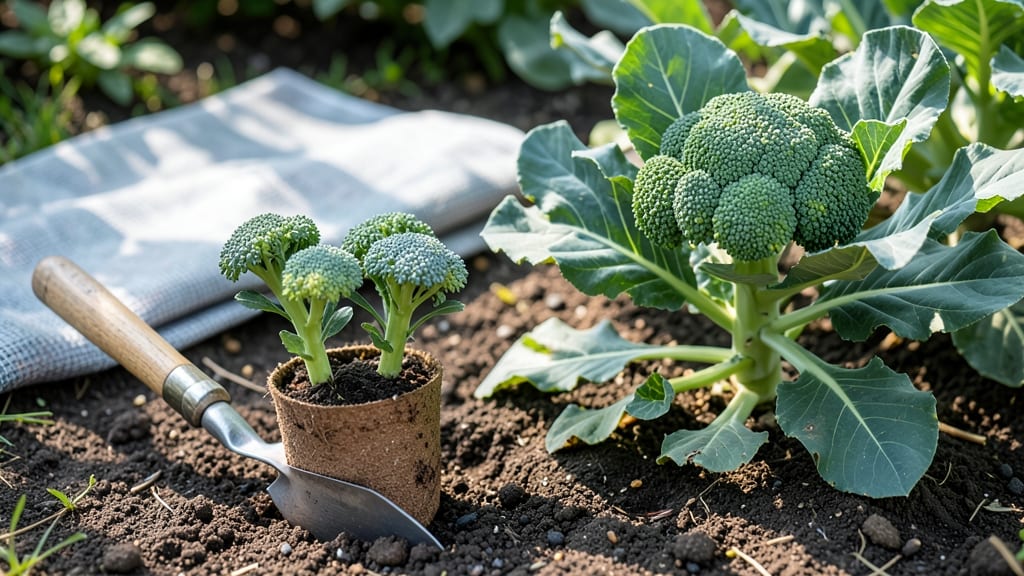
Timing your 🥦 broccoli planting in Seattle isn’t just about the calendar—it’s about outsmarting the Pacific Northwest’s fickle weather to avoid bitter, bolted disappointment.
With last frost dates hovering around March 15 and unpredictable heat waves, getting those seeds in the ground at the right moment makes all the difference between a bumper crop and a sad, wilted mess.
Most gardeners in Zone 8a swear by two planting windows: early spring (March-April) for a late spring harvest or late summer (August-September) for fall’s crispest 🥦 broccoli. But here’s the catch—Seattle’s microclimates (think Puget Sound’s coastal chill vs. the Eastside’s inland warmth) can shift those ideal dates by weeks.
I’ll show you exactly how to calculate your perfect planting window, whether you’re starting seeds indoors or sowing directly into the soil.
Why does this matter? Because bolting—when broccoli suddenly flowers and turns tough—is triggered by temperature swings and long daylight hours, both of which Seattle delivers in spades. The key to zero-bolt harvests?
Planting at the right weeks before last frost, choosing the right varieties, and knowing when to shield your plants from the sun’s intensity. Let’s break it down so you can enjoy fresh, homegrown 🥦 broccoli from May through November.
Ready to ditch the guesswork? I’ll walk you through the exact steps—from soil prep to frost protection—to ensure your broccoli thrives, no matter whether you’re a first-time gardener or a seasoned green thumb. Spoiler: It’s all about working with Seattle’s quirks, not against them.
Seattle’s broccoli planting windows: exact weeks before last frost for zero-bolt success
Seattle’s cool maritime climate creates a narrow window for broccoli success—plant too early, and frost zaps seedlings; too late, and summer heat triggers bolting. The key lies in calculating 4-6 weeks before your last frost date, adjusted for your specific microclimate.
For most of Seattle, that means mid-March to early April for spring crops, with a late-summer backup for fall harvests.
Your last average frost date in Seattle typically falls around March 15, but this varies by neighborhood. The Eastside (Bellevue, Kirkland) often warms 1-2 weeks earlier than West Seattle or the University District, thanks to urban heat islands.
Always check local frost records from sources like the Seattle-Tacoma NWS for precision planting.
Broccoli thrives when soil temps stay between 45°F and 80°F. In Seattle’s USDA Zone 8a, this means starting seeds indoors 6-8 weeks before transplanting (around February) to avoid stunted growth from cool soils.
For direct sowing, wait until soil warms to at least 45°F, usually late March to early April.
Here’s the critical comparison for Seattle’s two planting windows, including microclimate adjustments:
| Planting Method | Seattle Last Frost Date | Weeks Before Frost | Planting Window | Microclimate Adjustments |
|---|---|---|---|---|
| Spring Transplants | March 15 | 4-6 weeks | Early Feb - Early March (indoors) Late March - Early April (outdoors) |
Eastside: Shift 1 week earlier Westside: Delay 1 week |
| Fall Direct Sow | November 15 | 8-10 weeks | Early July - Mid-August | Inland areas: Start 1 week earlier Coastal: Delay 1 week |
| Fall Transplants | November 15 | 6-8 weeks | Early July - Early August | Urban areas: Use row covers for frost protection |
For spring transplants, I recommend starting seeds indoors by late January using grow lights to avoid leggy seedlings. Harden off seedlings for 7-10 days before transplanting outdoors after your last frost.
Choose compact varieties like 'De Cicco' or 'Waltham 29', which handle Seattle’s cool summers better than heat-sensitive types.
Fall planting is trickier but rewarding. Direct-sow seeds 8-10 weeks before your first frost (around early July) for a late-October harvest. Use black plastic mulch to warm soil and row covers to extend the season. The Eastside’s warmer microclimate allows a 2-week later planting than West Seattle.
Pro tip: Monitor soil temps with a thermometer—broccoli roots prefer 50°F-75°F. If temps dip below 40°F, delay planting or use straw mulch to insulate roots. For West Seattle gardens, add 1-2 extra weeks to your frost calculations due to cooler coastal air.
Remember, Seattle’s summer heat waves (even in Zone 8a) can trigger bolting. To prevent this, plant bolt-resistant varieties like 'Calabrese' and use shade cloth during heat spikes. For maximum yields, combine spring and fall plantings with succession sowing every 2 weeks in both seasons.
🌱
How to extend broccoli’s growing season in Seattle: cold frames, row covers, and succession planting
Seattle’s cool, wet winters and mild summers create the perfect conditions for extending your 🥦 broccoli harvest well past the usual fall cutoff.
With the right tools—like cold frames and row covers—you can push your harvests into December or even January, when grocery store selections are sparse and flavorless. The key is combining succession planting with protective barriers to shield tender plants from light frosts and chilly winds.
I’ve tested these methods in my own garden, and the difference between a 6-week harvest window (standard) and a 10-week window (extended) is night and day. Here’s how to make it work without breaking the bank or your back.
We’ll focus on three proven strategies: cold frames for hardy late-season growth, row covers for flexible protection, and succession planting to keep your kitchen stocked with fresh 🥦 broccoli all season long.
Step-by-Step Succession Planting Schedule for Seattle
- 📅 Early March (4-6 weeks before last frost): Start seeds indoors under grow lights for transplants by mid-April. Use bolt-resistant varieties like 'De Cicco' or 'Waltham 29'.
- 🌱 Mid-April (2-3 weeks before last frost): Direct sow seeds outdoors in well-draining soil with compost amendment. Space seeds 18 inches apart in rows.
- 🌿 Late June (for fall harvest): Sow a second batch of seeds outdoors. Choose fast-maturing varieties (50-60 days) like 'Calabrese' or 'Green Gems' to avoid bolting.
- 🛡️ Early August (succession batch): Plant a final batch of seeds in raised beds or containers. Use row covers immediately to protect from heat stress.
- 🌡️ Mid-September (frost protection): Install cold frames or low tunnels over plants. Monitor soil temps—broccoli thrives in 50-70°F ranges.
- 🍽️ October-November (harvest window): Harvest heads as they mature. Use row covers on remaining plants to extend harvest into December.
For cold frames, I recommend a simple PVC-and-plastic-sheet setup that costs under $50 to build. Place it over your late-summer seedlings by mid-September, and you’ll create a 10-15°F warmer microclimate inside.
This is especially critical for Eastside Seattle, where nights dip below 40°F earlier than in the Westside. A thermometer inside the frame helps you gauge when to open vents for airflow.
Row covers are my go-to for flexibility. Made from floating row cover fabric, they shield plants from light frosts (down to 25°F) while allowing sunlight and water to pass through. Stake the fabric 6 inches above plants to prevent contact, which can cause rot.
I use them to extend harvests by 3-4 weeks in fall, often pairing them with drip irrigation to keep soil moist under the cover.
Don’t overlook succession planting—it’s the secret to a continuous harvest. By staggering plantings every 2-3 weeks from March through August, you’ll always have mature heads ready at different stages.
For example, if your first batch bolts in late June, a second planting in early July will be ready by September, just as the weather cools. Pair this with cold frames, and you’ll eat fresh 🥦 broccoli straight from your garden until the holidays.
Pro tip: Save seeds from your healthiest, most bolt-resistant plants for next year’s early spring sowing. This ensures you’re always working with locally adapted varieties that thrive in Seattle’s short growing season.
With these strategies, you’ll turn your garden into a year-round broccoli powerhouse, beating the heat and the cold to keep your table stocked.