
Plants
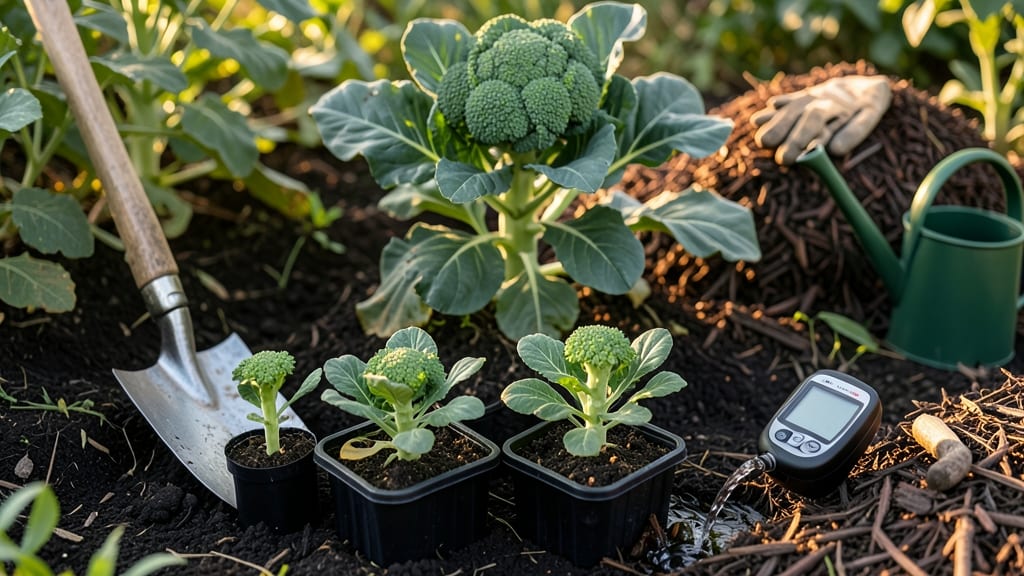
Planting broccoli in North Florida isn’t just about throwing seeds in the dirt—it’s about outsmarting the heat and humidity to grow 🥦 that actually tastes good. The wrong timing, and your plants bolt before you even get a harvest, leaving you with bitter disappointment instead of crisp, flavorful heads.
I’ve learned the hard way that coastal areas like Jacksonville and inland spots like Gainesville have completely different rules for success. One wrong move—like planting too early or too late—and your broccoli might never reach its full potential.
But get the timing right, and you’ll enjoy fresh, homegrown 🥦 all the way through winter.
In this guide, I’ll break down the exact windows for fall and spring planting, including how to adjust for your specific microclimate.
Whether you’re a first-time gardener or a seasoned green thumb, these tips will help you avoid common mistakes and grow broccoli that’s sweeter, healthier, and ready to harvest when you need it most.
Ready to skip the guesswork and start planting with confidence? Let’s dive into the key strategies that work in North Florida’s unique climate—so you can enjoy your own homegrown harvest without the stress.
North Florida broccoli planting calendar: coastal vs inland timing for zero bolt
North Florida’s microclimates create a puzzle for broccoli growers—coastal areas like Jacksonville enjoy milder winters, while inland spots like Gainesville face sharper frosts. The key to zero bolt broccoli lies in planting at the right soil temperature and avoiding summer heat stress.
Let’s break down the exact windows that work for each region.
Broccoli thrives in cool weather (50–75°F soil temps) but bolts when temperatures creep above 80°F. Coastal areas can push spring planting slightly later than inland zones, where frost dates arrive earlier. Understanding these differences saves you from bitter disappointment when your plants race to flower instead of forming heads.
Coastal Florida (Jacksonville, St. Augustine): Warmer winters and humid summers mean you can plant broccoli transplants as early as late August for a fall crop and late January for spring. The first frost typically hits around December 15, giving you a longer growing window.
Inland Florida (Gainesville, Ocala): Cooler nights and earlier frosts limit your window. Start transplants in mid-September for fall and late January for spring. The last frost usually occurs around January 15, so plan accordingly to avoid heat stress in summer.
For fall crops, aim to plant 4–6 weeks before your first frost. Coastal gardeners can stretch this to late August, while inland growers should start by mid-September. Use transplants instead of seeds for faster, more reliable results—especially in shorter seasons.
Spring planting is trickier. Coastal areas can start as late as early March, but inland regions must plant by mid-February to avoid summer heat. If you miss the window, consider shade cloth or succession planting to extend your harvest into cooler months.
Broccoli bolts when stressed by heat or drought. To prevent this, mulch heavily to keep soil cool and moist. Coastal gardeners should also watch for salt spray, which can stress plants near the shore. Inland areas may face drier conditions, so drip irrigation is your best friend.
Pro tip: Choose heat-tolerant varieties like ‘Waltham 29’ or ‘De Cicco’ for inland areas. Coastal gardeners can opt for ‘Calabrese’, which handles humidity better. Always harden off transplants for 7–10 days before planting to reduce shock.
Monitor soil temperatures with a thermometer—broccoli roots need 55–70°F to thrive. If temps rise above 80°F, provide afternoon shade until cooler weather returns. With the right timing, you’ll enjoy sweet, tender broccoli heads from fall through early spring.
Remember, succession planting every 2–3 weeks ensures a steady harvest. Start a new batch every few weeks to keep your table stocked with fresh, homegrown broccoli all season long. Happy gardening!
How to extend broccoli growing seasons in North Florida’s climate
North Florida’s humid summers and mild winters create a unique challenge for broccoli growers. The key to success lies in extending growing seasons beyond the typical fall window. With the right techniques, you can enjoy fresh broccoli harvests year-round—even in the heat.
Let’s explore how to push your broccoli’s limits while keeping it healthy and productive.
Broccoli thrives in cool temperatures between 50°F and 75°F, but North Florida’s climate often pushes these boundaries. By using shade cloth, succession planting, and frost protection, you can create ideal conditions for your plants.
The goal? Avoid bolting (when broccoli flowers prematurely) and maximize your harvest potential.
✅ 5 Proven Techniques to Extend Broccoli Seasons
- 1. Use 30% Shade Cloth during summer months to block excessive heat and UV rays.
- 2. Plant Heat-Tolerant Varieties like ‘Waltham 29’ or ‘De Cicco’ for better resilience.
- 3. Succession Plant Every 2 Weeks in fall and spring for continuous harvests.
- 4. Apply Row Covers for frost protection in late fall and early spring.
- 5. Mulch with Straw to regulate soil temperature and retain moisture.
Start by selecting heat-tolerant varieties like ‘Waltham 29’, which performs well in North Florida’s warmer microclimates. These varieties can handle slightly higher temperatures than traditional broccoli, giving you a better chance of success during shoulder seasons.
Pair this with succession planting—sowing new seeds every 2 weeks—to ensure a steady supply of fresh broccoli.
When temperatures rise above 85°F, broccoli plants will bolt quickly. To combat this, install 30% shade cloth over your plants during the hottest part of the day. This reduces heat stress while still allowing enough sunlight for growth.
For cooler months, use row covers to protect young plants from unexpected frost or light freezes, which can stunt growth or damage leaves.
Mulching is another game-changer for North Florida gardeners. Apply a 3-inch layer of straw around your broccoli plants to insulate the soil and keep roots cool. This also helps retain moisture, reducing the need for frequent watering.
In coastal areas, where humidity is higher, mulch can also prevent fungal diseases from taking hold.
Finally, don’t overlook the power of seasonal adjustments. In spring, focus on early planting (January-February) to take advantage of cooler soil temperatures. In fall, extend your season by planting as late as October and using row covers to protect against early frosts.
With these techniques, you’ll enjoy homegrown broccoli nearly year-round—even in Florida’s unpredictable climate.