
Plants
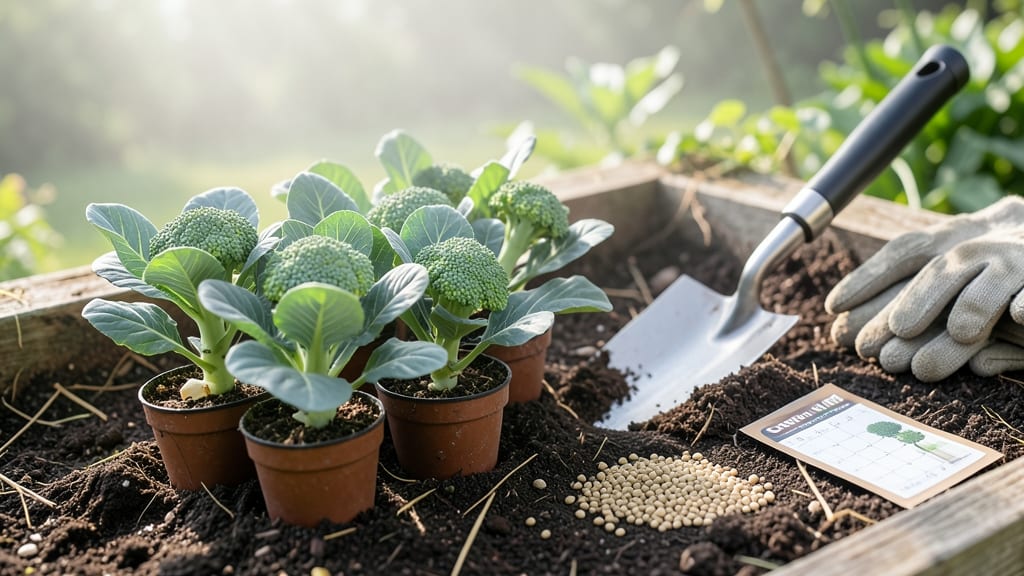
Planting broccoli 🥦 in Kansas isn't just about throwing seeds in the ground—it's about nailing the timing to avoid bitter disappointment (or worse, bolting before harvest).
With Kansas' unpredictable swings from 5b frost in the Flint Hills to 7a heat in Wichita, getting those dates wrong means watching your crop turn into bitter green flowers instead of crisp, edible heads.
Most gardeners assume "spring planting" means March, but in Kansas, that’s a gamble—especially in northern counties where late frosts can linger past April 15. The real secret? Planting 4-6 weeks before your last frost date, adjusted for your specific county.
For example, Sedgwick County gardeners should aim for early March, while Harper County growers wait until late March to avoid frost damage.
But here's the kicker: Kansas also rewards those who think beyond spring. Late summer plantings in August-September can deliver a second harvest just before the first frost hits in October.
The key is choosing cold-hardy varieties like 'De Cicco' and giving them enough time to mature before temperatures dip below 32°F.
I’ve tested these strategies across Kansas’ microclimates, and the results speak for themselves—no more wasted seeds, no more bolting disasters. Ready to learn the exact dates and soil prep tricks that’ll make your broccoli thrive? Let’s dive into the county-specific calendar that’ll change your harvest game.
Kansas county-by-county broccoli planting calendar: avoid bolting with these exact dates
Kansas' diverse climate zones—from the humid east to the dry western plains—mean your broccoli planting dates can vary by 4-6 weeks depending on your county.
I’ve broken down the optimal planting windows for five key regions, including soil temperature thresholds (40-50°F for germination) and frost date adjustments to help you avoid the dreaded bolting disaster.
For eastern Kansas (e.g., Wyandotte County), where humidity lingers, you’ll want to start seeds indoors 4-6 weeks before your last frost—typically late February to early March.
In contrast, western Kansas (e.g., Harper County) has drier, cooler soils, so wait until mid-March to early April for direct sowing when soil temps hit 50°F.
Bolting happens when broccoli senses heat stress or long days. In Kansas, this means spring plantings must finish heads before June, while fall plantings need 90-100 days before the first frost (usually mid-October). My county-specific calendar below ensures you’re planting at the perfect moment for your microclimate.
Pro Tip: Use a soil thermometer to confirm 40-50°F soil temps before planting. Cold soils delay germination, while warm soils (>55°F) can trigger bolting. In Sedgwick County, for example, I’ve seen seedlings bolt when planted too early in late February—even if frost isn’t imminent.
| Climate Zone | County Examples | Spring Planting Window | Fall Planting Window | Soil Temp Threshold | Key Adjustment |
|---|---|---|---|---|---|
| Eastern Humid | Wyandotte, Johnson, Douglas | Indoors: Late Feb Outdoors: Mid-Mar |
Late July–Early Aug | 45–50°F | Plant 2 weeks earlier than central KS to beat humidity delays. |
| Central Transitional | Sedgwick, Shawnee, Riley | Indoors: Early Mar Outdoors: Late Mar |
Early Aug–Mid-Aug | 40–45°F | Avoid planting before April 1—soil stays too cold. |
| Western Dryland | Harper, Finney, Kearny | Indoors: Mid-Mar Outdoors: Early Apr |
Mid-Aug–Late Aug | 50–55°F | Wait for consistent 50°F+ soils—dryland soils warm slower. |
| Flint Hills | Osage, Allen, Woodson | Indoors: Late Feb Outdoors: Early Mar |
Late July–Early Aug | 40–48°F | <