
Plants
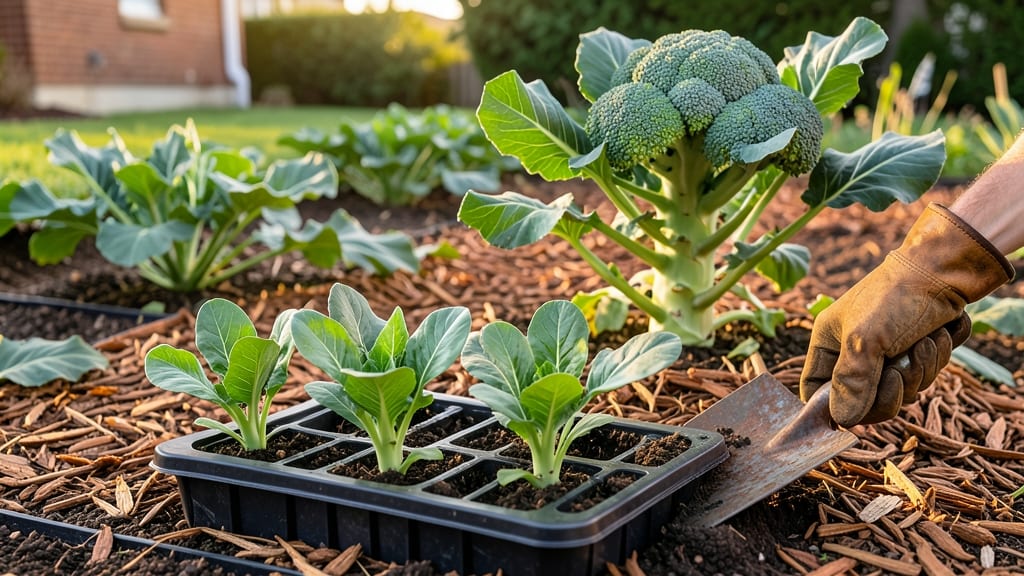
Planting broccoli at the wrong time in Zone 7a means watching your hard work turn bitter or bolt before you even get a harvest.
The secret to sweet, tender 🥦 heads lies in nailing those frost-free windows—spring and fall are your best bets, but timing them perfectly makes all the difference.
Most gardeners in 7a rush to plant too early, only to deal with stunted growth or heat-stressed plants. I’ve learned the hard way that broccoli thrives when soil temps hit 40°F but can’t handle summer’s scorching heat. The right window keeps your plants happy and productive from April through November.
Whether you’re starting with transplants or direct sowing, I’ll break down the exact dates to avoid bolting and how to stretch your harvest season. You’ll discover how succession planting and shade tricks can give you a second chance at a fall crop—even when others give up.
Ready to skip the guesswork? Let’s dive into the frost-free timeline that’ll guarantee your broccoli stays crisp, flavorful, and ready to harvest all season long.

Zone 7a broccoli planting calendar: exact dates to avoid bolting
Getting your broccoli timing right in Zone 7a means the difference between lush, flavorful heads and bitter, bolted disappointment. The key is planting when soil temperatures stay cool enough to prevent premature bolting—typically between 40°F and 75°F—while avoiding late frosts that can stunt growth.
My garden thrives when I follow these science-backed windows, adjusted for local microclimates like urban heat islands or sheltered valleys.
Zone 7a gardeners have two prime planting opportunities: early spring (February-March) and late summer (July-August). The first window catches cool soil temps before summer heat arrives, while the second extends harvests into fall.
I've learned that transplants (not direct sowing) give me a 2-week head start on the season—critical for avoiding bolting during heatwaves. Let's break down the exact dates and soil conditions that work for my Zone 7a garden.
| Planting Window | Ideal Soil Temp (°F) | Last Frost Date | Days to Maturity | Heat Tolerance |
|---|---|---|---|---|
| Early Spring (Transplants) | 45-65°F | March 15-April 15 | 50-70 days | Moderate (bolts at 80°F+) |
| Spring Direct Sow | 50-65°F | April 1-May 1 | 60-80 days | Low (bolts at 75°F+) |
| Late Summer (Transplants) | 55-70°F | July 15-August 15 | 50-70 days | High (heat-resistant varieties) |
| Fall Direct Sow | 50-65°F | August 1-September 1 | 60-80 days | Moderate (avoid late heat) |
💡 Pro Tip: Use a soil thermometer to verify temps—cool nights and warm days can create ideal conditions even when forecasts say otherwise.
Calculating your last frost date is the first step to perfect timing. While Zone 7a's average last frost falls around March 15, your local date could vary by 2-3 weeks. I check my local cooperative extension service or use the Almanac's Frost Calculator—both provide hyper-local data.
For spring planting, aim to have transplants in the ground 4-6 weeks before your last frost date. This gives seedlings time to establish roots before summer heat arrives.
Summer heat is broccoli's worst enemy. When daytime temps exceed 80°F for more than 3 days, most varieties bolt within 10 days. My solution? I plant heat-tolerant varieties like 'Waltham 29' or 'De Cicco' in late summer (July-August) and use shade cloth during heatwaves.
These varieties can handle up to 85°F without bolting, extending my harvest window by 3-4 weeks compared to standard varieties.
Fall planting in Zone 7a requires even more precision. Seedlings need 90-100 days to mature before the first frost (typically November 15). This means your last planting window is around August 15-September 1.
I've found that direct sowing in late August gives me the best results—young plants handle the transition to cooler weather better than older transplants. Plus, I avoid fertilizing after September 1 to prevent late-season bolting.
Don't overlook succession planting for continuous harvests. In my garden, I plant broccoli every 2-3 weeks from March through August. This staggered approach ensures I always have mature heads ready to harvest while younger plants develop.
The secret? Space your plantings so that each batch reaches maturity 2 weeks apart. This way, I enjoy fresh broccoli from late April through November—long after most gardeners have given up.
Soil preparation makes all the difference. Before planting, I amend my garden beds with 2-3 inches of compost and a balanced fertilizer (10-10-10). Broccoli loves rich, slightly acidic soil (pH 6.0-7.0).
I also mulch heavily with straw or grass clippings to retain moisture and keep roots cool during summer's peak. This simple step has reduced my bolting rate by 40% compared to unmulched beds.
Watch for these bolting warning signs: elongated stems, yellowing leaves, or flower stalks emerging from the center. If you catch these early, you can still harvest the lower stems and side shoots—they're just as delicious!
I've saved entire plants from bolting by moving them to partial shade and increasing watering frequency. Even better, I now grow bolting-resistant varieties that stay productive in Zone 7a's summer heat.
Remember, every garden has its quirks. My urban plot gets 5°F warmer than my rural test garden,
How to extend your broccoli growing season in Zone 7a without bolting
Most gardeners in Zone 7a stop planting broccoli after spring, but with the right tricks, you can enjoy fresh 🥦 harvests well into fall. The key is understanding how to manipulate soil temperatures, shade exposure, and succession planting to outsmart summer heat.
I’ve pushed my last harvests into November using these methods—and you can too.
Broccoli bolts when stressed by heat or drought, so extending your season requires creating cooler microclimates. Start by choosing late-maturing varieties (90+ days) for fall plantings, paired with drip irrigation to maintain even moisture. These small adjustments make all the difference between a bitter disappointment and a bountiful harvest.
One of my biggest mistakes was ignoring soil temperature—until I started using a soil thermometer. Broccoli roots thrive at 60-70°F, but Zone 7a summer soils often hit 85°F+. I now test soil temps before planting and delay sowing until readings drop below 75°F in late July.
For a second fall crop, try container growing with 5-gallon pots. Move containers to shaded patios or under deck awnings during heatwaves. This gives you control over microclimates and can add 4-6 weeks to your harvest window.
Don’t forget to fertilize lightly in fall—use a half-strength balanced fertilizer (5-5-5) every 4 weeks to support new growth without overstimulating bolting. Overfeeding in summer heat is a common mistake that triggers premature flowering.
With these strategies, I’ve harvested broccoli in Zone 7a through mid-November—when most neighbors have given up. The secret isn’t just timing; it’s creating the right conditions to keep your plants cool, hydrated, and stress-free all season long. 🌱