
Plants
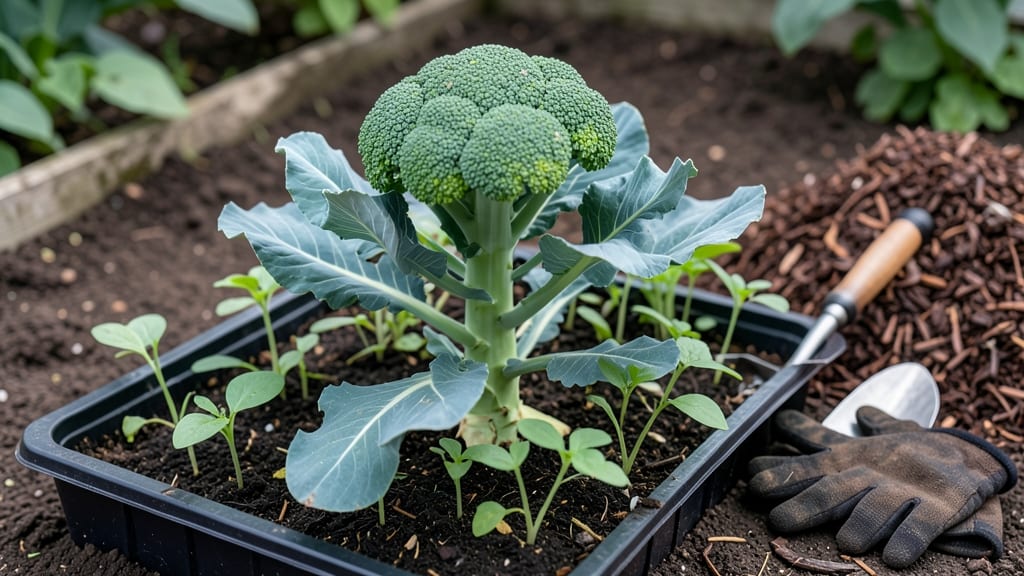
Planting broccoli 🥦 at the wrong time in Washington State can turn your garden dreams into a bitter disappointment—but timing it right means a bumper crop of those beloved green heads.
The key is understanding how your region’s microclimate—whether it’s the damp Pacific Northwest or the drier East—dictates when to get those seeds in the ground.
From the frost-prone valleys of Eastern WA to the milder coastal zones near Seattle, the ideal planting window shifts dramatically. Get it wrong, and you’ll face bolting plants or stunted growth; get it right, and you’ll enjoy fresh, crisp broccoli straight from your garden for months.
I’ll break down exactly when to plant for your specific corner of the state, plus pro tips to extend your harvest season.
Whether you’re starting seeds indoors or sowing directly into the soil, knowing the last frost date for your USDA zone (like 6b in Eastern WA or 8b in Western WA) is everything.
We’ll cover the best months for spring and fall planting, soil prep, and even how to pick the right broccoli varieties for your climate—so you can avoid common pitfalls and grow like a local.
Ready to turn your garden into a broccoli powerhouse? Let’s dive into the exact planting schedule that’ll have you harvesting May through November—no guesswork, just green success.
Optimal broccoli planting months by Washington’s microclimates
Washington’s varied climate—from misty coastal zones to dry inland valleys—creates distinct broccoli planting windows that can transform your harvest.
In Western WA (USDA Zones 7b-8b), milder winters and cooler summers allow for two successful crops per year, while Eastern WA (Zones 6b-7a) demands earlier spring starts and earlier fall plantings to escape summer heat.
High-elevation areas like the Cascade foothills (Zones 5b-6a) have shorter growing seasons, requiring careful timing to avoid frost damage.
To pinpoint your frost-free dates, check local averages: Western WA typically sees its last frost around March 15, while Eastern WA waits until April 15. High-elevation zones can experience frost as late as May 1, so plan accordingly.
For fall plantings, aim to harvest before the first frost—usually November 15 in Western WA and October 15 in Eastern WA.
| Region | USDA Zone | Spring Planting Window | Fall Planting Window | Key Considerations |
|---|---|---|---|---|
| Western WA (Coastal/Puget Sound) | 7b-8b | Late February - Early April | August - Early September | Cool summers, high humidity; watch for downy mildew |
| Eastern WA (Palouse/Dryland) | 6b-7a | Early March - Mid-April | July - Mid-August | Hot, dry summers; irrigate consistently |
| High Elevation (Cascade Foothills) | 5b-6a | Mid-April - Early May | Late July - Early August | Short season; use cold-hardy varieties |
For Western WA gardeners, start seeds indoors in January for transplanting outdoors in March. Direct sowing is also effective in late February if soil temperatures stay above 40°F.
In Eastern WA, where summers can exceed 90°F, prioritize fast-maturing varieties like ‘De Cicco’ (ready in 50 days) and plant in early spring or late summer to avoid bolting from heat stress.
High-elevation zones require soil preparation to extend the growing season. Incorporate compost or aged manure in fall to warm soil faster in spring. Use black plastic mulch to raise soil temperatures by 5-10°F, allowing earlier plantings.
In all regions, test soil pH (6.0-7.0) and amend with lime if needed—broccoli thrives in slightly acidic to neutral soil.
If you’re direct sowing outdoors, space seeds 18 inches apart in rows 2 feet apart. For transplants, harden off seedlings for 7-10 days before setting them out.
In Western WA’s damp climate, ensure good drainage to prevent root rot, while Eastern WA’s dry conditions may require drip irrigation to maintain consistent moisture.
For fall harvests, plant 8-10 weeks before your average first frost date. In Western WA, this means August sowings for October harvests, while Eastern WA should aim for July plantings.
Use row covers in early fall to protect young plants from light frosts (down to 25°F), which can improve head quality.
Pro tip: Succession plant every 2-3 weeks in spring and fall to stagger harvests. This works especially well in Western WA’s mild climate, where you can enjoy broccoli from May through November.
In Eastern WA, focus on one main spring crop and a smaller fall crop to avoid summer heat stress.
Remember, broccoli bolting (premature flowering) is your biggest enemy. Plant heat-tolerant varieties like ‘Waltham 29’ in Eastern WA and avoid planting too early in spring or too late in fall. With the right timing, you’ll enjoy crisp, flavorful heads all season long—no matter which Washington microclimate you’re in!
How to extend broccoli’s growing season in Washington’s unpredictable weather
Washington’s weather can throw curveballs—late frosts in May or early heatwaves in July—but with the right strategies, you can still enjoy a long broccoli harvest. The key is combining cold-hardy varieties, protective covers, and smart planting schedules to outsmart Mother Nature.
I’ve grown broccoli in both the Puget Sound’s damp climate and the drier Palouse, and these tactics work in both regions.
First, focus on succession planting to stagger your harvest. Instead of one big planting, sow seeds every 2-3 weeks from spring through early summer. This ensures you always have mature plants ready to harvest before the season ends.
For example, in Zone 7b (like Yakima), I start my first batch in late February and continue through June—this gives me broccoli from May through October.
Another game-changer is using row covers or low tunnels to protect young plants. In the Cascade foothills, where late frosts are common, I cover seedlings with floating row covers until the threat of frost passes.
These covers also shield plants from cabbage worms and other pests. For heatwaves, opt for shade cloth (30-50% coverage) to prevent bolting, especially in Eastern WA’s dry zones.
Heat-tolerant varieties like ‘Waltham 29’ or ‘Calabrese’ are your best friends during Washington’s summer swelter. These hybrids handle 85°F+ temperatures better than standard varieties, making them ideal for late-summer plantings in Zone 8b (like Bellingham). Pair them with drip irrigation to keep roots cool and soil moist.
🌱 Key Takeaways for Extending Broccoli’s Season in WA
Spring: Late Feb–Early Apr
Fall: Aug–Early Sept
Row covers for frost
Shade cloth for heat
Cold: ‘De Cicco’
Heat: ‘Waltham 29’
1-2 inches/week
Morning watering only
Pro Tip: Test soil pH (aim for 6.0–7.0) and amend with compost before planting.
Don’t overlook fall planting—it’s often overlooked but just as productive. In Western WA’s milder zones, I plant a final batch in early September for a November harvest. Use black plastic mulch to warm the soil and extend the season by 2-3 weeks.
This works especially well in Zone 8a, where winters are wet but not freezing.
Finally, harvest strategically to encourage regrowth. After cutting the main head, leave the side shoots to mature—they’ll produce smaller but edible broccoli heads. In my garden, this extends the harvest by 4-6 weeks. Just be sure to fertilize lightly after harvesting to support new growth.
With these strategies, you can turn Washington’s unpredictable weather into an advantage. Whether you’re dealing with late frosts, early heat, or erratic rain, broccoli will thrive—and your table will stay stocked with fresh, homegrown greens all season long. 🥦