
Plants
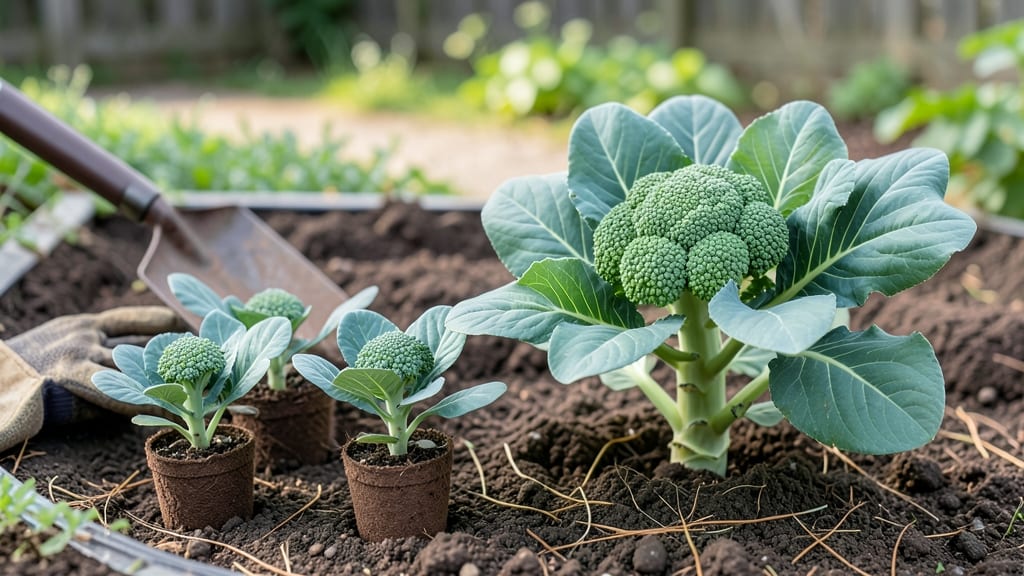
Planting broccoli 🥦 at the wrong time in Zone 7b can turn your garden dreams into a bitter disappointment—literally. The difference between a thriving harvest and a bolted mess often comes down to knowing exactly when to get those seeds in the ground.
Most gardeners in 7b make one of two mistakes: planting too early when the soil is still cold, or waiting too long and risking summer heat. I’ve learned that timing isn’t just about dates—it’s about understanding your last frost date and soil temperature.
Get this right, and you’ll enjoy crisp, flavorful heads all season long.
For spring plantings, aim to sow seeds 4-6 weeks before your average last frost (around mid-March in 7b). But here’s the secret: late summer is just as critical for a fall harvest.
If you miss these windows, you might end up with tough, woody stems or plants that bolt before you can enjoy them.
Whether you’re starting with transplants or seeds, I’ll walk you through the exact steps to maximize your yield—plus how to adjust for microclimates that might make your garden a little warmer (or cooler) than the average 7b. Let’s get those broccoli plants off to the best possible start.

Optimal broccoli planting weeks before last frost in Zone 7b
Broccoli loves cooler temperatures but wilts under Zone 7b's summer heat. To avoid bitter, bolting plants, timing is critical. The perfect planting windows are either 4-6 weeks before last frost for spring or 8-10 weeks before first frost for fall harvests.
For Zone 7b, where the average last frost falls around March 15, your spring planting window opens in early February. Fall planting should begin in early July to ensure mature heads before November's first frost. These exact timings prevent heat stress and maximize yield.
🌱
To calculate your exact last frost date, check your local USDA Plant Hardiness Zone Map and adjust for microclimates. For example, areas near large bodies of water may experience 2-3 weeks later last frosts than inland locations. Use the National Weather Service or Almanac.com for precise data.
For spring planting, start seeds indoors 6-8 weeks before your last frost date or purchase transplants ready for early February. Harden off seedlings for 7-10 days before transplanting to prevent shock. Soil temperature must stay above 45°F for germination.
Fall planting requires earlier sowing—begin seeds indoors in mid-June or direct sow in early July. Use row covers if nights dip below 50°F to protect young plants. Broccoli matures in 50-80 days, so timing ensures heads form before frost.
🥦
If your local frost dates vary from averages, extend your fall planting by 1-2 weeks. For example, if your first frost typically hits November 1 instead of November 15, sow seeds by late June. Always monitor soil moisture—broccoli needs 1-2 inches per week but hates soggy roots.
Pro tip: Succession plant every 2 weeks in spring for continuous harvests. In fall, plant fast-maturing varieties like 'De Cicco' (50 days) to squeeze in an extra harvest before frost. Mulch heavily to maintain even soil temps and prevent bolting.
🌡️
How to adjust broccoli planting for Zone 7b’s microclimates
Zone 7b’s diverse microclimates can drastically change your broccoli’s success. Whether you’re in a high-altitude valley with cooler nights or an urban heat island baking under pavement, these adjustments will keep your plants thriving.
I’ve grown broccoli in both scenarios and learned how to tweak timing, spacing, and protection for maximum yields.
First, identify your microclimate type. High-altitude areas (like mountain foothills) often have 10-15°F cooler nights than surrounding regions, while urban gardens can experience 5-10°F heat spikes due to concrete and asphalt. Even a protected microclimate—like a south-facing fence or greenhouse—can extend your growing season by 2-4 weeks.
- High-Altitude Adjustments: Plant 2-3 weeks earlier than standard Zone 7b guidelines. Soil warms slower, so aim for late February for spring broccoli and early July for fall. Use black plastic mulch to warm soil faster.
- Urban Heat Islands: Delay planting by 1-2 weeks to avoid bolting. Choose heat-tolerant varieties like ‘Waltham 29’ or ‘Calabrese’ and provide afternoon shade cloth (30-50%) during peak summer.
- Protected Microclimates: Extend your season by 4-6 weeks using row covers or cold frames. Start seeds 6 weeks before your usual last frost date for an earlier spring harvest.
- Succession Planting Trick: Sow new seeds every 2 weeks from March to September. This ensures a continuous harvest and minimizes gaps caused by bolting or pests.
- Row Cover Hack: For fall broccoli, apply floating row covers in early October to protect from early frosts. This can push your harvest into mid-November instead of late October.
For high-altitude gardens, I’ve found that staggered planting works best. Start with hardy varieties like ‘De Cicco’ in early March, then follow with ‘Green Magic’ in late March. The cooler temps prevent bolting, and the staggered maturity gives you heads ready every 2 weeks.
Always test your soil—high-altitude areas often have lower organic matter, so amend with compost or aged manure before planting.
In urban heat islands, focus on shade and water retention. Plant broccoli near tall perennials or use straw mulch to keep roots cool. I’ve had success with drip irrigation on timers to deliver 1-2 inches of water weekly without wetting foliage (which invites disease).
For fall crops, start seeds in late July instead of August to avoid the hottest part of summer.
Protected microclimates are my favorite for fall broccoli. A simple hoop house with row covers can add 30-45 days to your growing season. I’ve harvested fresh broccoli in early December using this method.
Just remember to ventilate covers during warm days to prevent overheating. Pair this with succession planting—sow a final batch in mid-August for a late-season harvest.
Finally, don’t overlook pest adjustments. Urban gardens attract more cabbage worms, while high-altitude areas may see fewer aphids due to cooler temps. Use row covers early to prevent pests, and rotate varieties yearly to avoid soil-borne diseases.
With these microclimate tweaks, you’ll enjoy sweet, tender broccoli heads well beyond the standard Zone 7b season.