
Plants
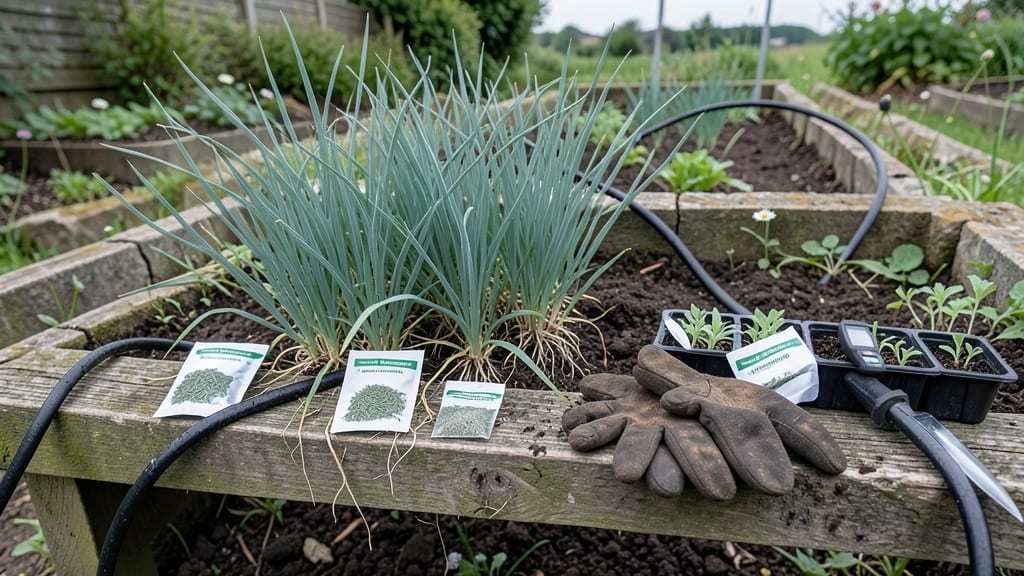
Planting brome grass in Kansas at the wrong time can mean wasted seeds or stunted growth that never takes hold—especially when soil temperatures swing wildly between 50°F and 65°F, the sweet spot for germination.
If you’ve ever watched your grass struggle to sprout or wither under Kansas’ unpredictable spring showers, you know timing is everything.
Most gardeners in USDA Zones 5b-7a focus on the calendar, but the real secret lies in soil warmth—not just the date. Brome grass 🌾 thrives when the ground reaches 55°F consistently, which can vary by weeks between Kansas’ eastern plains and western highlands.
Missing this window means slower establishment, weaker roots, and grass that can’t handle summer heat or winter freezes.
In this guide, I’ll break down the fastest ways to time your planting—whether you’re in Wichita’s Zone 7a or Topeka’s Zone 5b—plus soil prep tricks to give your seeds the best shot.
No more guessing games: just science-backed steps to get your brome grass off to a strong start.
Ready to skip the trial-and-error? Let’s dive into the exact months, soil tests, and care tips that’ll have your grass lush and resilient by summer.
Optimal soil temperature ranges for planting brome grass in Kansas
Planting brome grass in Kansas requires more than just checking the calendar—your soil temperature is the real game-changer for germination success. This cool-season grass thrives when soil temps sit between 50°F and 65°F, creating the perfect window for seeds to sprout consistently.
Too cold, and germination stalls; too warm, and seeds may dry out before rooting. Kansas’ USDA zones 5b-7a add another layer, with eastern regions warming faster than western high plains areas.
For smooth brome (Bromus inermis), the ideal soil temperature range is 55°F to 60°F—this is when seeds activate enzymes needed for root development. In Kansas, this typically aligns with late March to early April for spring planting and mid-August to early September for fall.
However, western Kansas (like Garden City) often lags 1-2 weeks behind eastern zones (like Topeka) due to higher elevations and cooler nights.
Testing your soil temperature accurately is non-negotiable. A soil thermometer ($10 at garden centers) gives precise readings, but you can also use a DIY method: Bury a thermometer in a shallow hole (2 inches deep) for 30 minutes in morning shade.
If it reads below 50°F, wait—cold soil slows germination by 50% or more. Pro tip: Check temps at 10 AM when soil has warmed but isn’t yet overheated.
Regional variations matter. In eastern Kansas (USDA Zone 6a-7a), soil hits 55°F by mid-March, while western Kansas (Zone 5b-6a) may need to wait until late April. High-altitude areas like Hays or Colby can experience 10°F cooler soil than Kansas City, delaying planting by 2-3 weeks.
Always adjust your schedule based on microclimate, not just zip code.
| Zone & Location | Ideal Soil Temp | Best Planting Window | Key Consideration |
|---|---|---|---|
| Eastern KS (Zone 6a-7a) | 55°F–60°F | Late March–Early April | Warmer microclimates; frost risk after planting |
| Central KS (Zone 6a) | 50°F–58°F | Early April–Mid-April | Moderate temps; watch for late frosts |
| Western KS (Zone 5b-6a) | 52°F–62°F | Late April–Early May | Cooler nights; drought-prone areas |
| Fall Planting (All Zones) | 58°F–65°F | Mid-August–Early Sept | Avoid planting too late; roots need 4+ weeks to establish |
Why does soil temperature matter so much? Brome grass seeds need warmth to activate amylase enzymes, which break down starches into energy for sprouting. Below 50°F, this process slows dramatically, leading to spotty germination or seeds that simply rot in cold, wet soil.
Conversely, soil above 65°F can cause seeds to dry out before roots emerge—a common issue in western Kansas where April sun heats soil quickly.
If you’re planting in fall, aim for soil temps between 58°F and 65°F—this gives seeds time to germinate before first frost (typically October 5–20 in Kansas). Fall-planted brome grass often establishes 20% faster than spring plantings because cooler air temps reduce disease pressure and weed competition.
Just avoid planting after September 15 in most zones, as roots need 4–6 weeks to harden off before winter.
For DIY soil temperature checks without a thermometer, use the "finger test": Press your finger into the soil. If it feels cool but not icy (like a chilled soda can), temps are likely in the 50°F–55°F range.
For warmer soil, imagine touching a lukewarm bath—that’s roughly 60°F–65°F. Pair this with a weather forecast for 3+ days above 50°F to ensure consistent germination.
One critical mistake
Best planting months in Kansas by microclimate: a region-by-region guide
Kansas’ diverse geography—from the humid Southeast to the arid West—means planting brome grass isn’t one-size-fits-all. The USDA Plant Hardiness Zones (5b-7a) guide the basics, but microclimates like high-altitude regions (e.g., Flint Hills) or drought-prone areas (e.g., western Kansas) demand adjustments.
For example, Zone 5b gardeners in Southeast Kansas can plant as early as late March, while Zone 7a in the Southwest may wait until mid-April to avoid late frosts.
Fall planting is another critical window, especially in eastern Kansas where August-September offers cooler soils and fewer weeds. However, western Kansas’s shorter growing season shrinks this window to late August only. Always check your local frost dates—Kansas State University’s Mesonet tool is a lifesaver for real-time data.
🌾 Key Rule: Plant when soil temps hit 50–65°F (use a soil thermometer or the "barefoot test": if soil feels warm but not hot, it’s ready). In high-altitude zones (e.g., Salina or Hays), aim for April 15–May 1 to avoid late spring frosts.
| Kansas Region | USDA Zone | Best Spring Planting Month | Best Fall Planting Month | Soil Temp Trigger | Key Consideration |
|---|---|---|---|---|---|
| Southeast (e.g., Pittsburg, Joplin) | 6a-7a | Late March–April 15 | August 15–September 15 | 50–65°F | Humid; watch for fungal risks |
| East Central (e.g., Manhattan, Topeka) | 5b-6a | April 1–April 30 | August 1–September 10 | 50–65°F | Moderate rainfall; ideal for beginners |
| West Central (e.g., Salina, Hays) | 5b-6b | April 15–May 1 | Late August | 55–65°F | Drought-prone; mulch heavily |
| Southwest (e.g., Dodge City, Garden City) | 6b-7a | April 15–May 1 | Late August–early Sept | 60–65°F | Extreme heat; irrigate post-planting |
| Northeast (e.g., Atchison, Leavenworth) | 5b-6a | April 1–April 15 | August 15–September 1 | 50–60°F | Cooler nights; extend fall window |
For high-altitude areas