
Plants
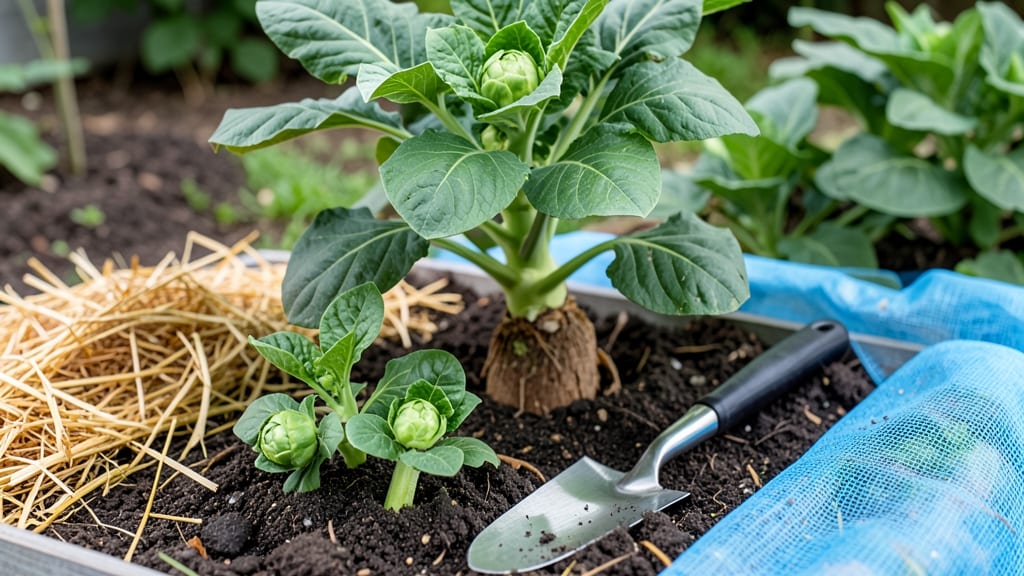
Planting Brussel sprouts 🥦 at the wrong time in Louisiana can mean the difference between a bumper crop and a total flop—especially when summer heat or late frosts throw off your timing.
If you've ever wondered why your plants bolt too early or struggle to mature, it's likely because you missed the 60-80 day window before the first frost hits.
Louisiana's 8a-9b zones give you a narrow but perfect opportunity to grow these cold-hardy veggies, and getting it right means richer flavors and bigger yields.
I'll walk you through the exact months to plant—plus how to adjust for your specific heat zone—so you can avoid common mistakes like overplanting too early or letting humidity stunt your sprouts.
Ready to grow sweeter, larger Brussel sprouts that thrive in Louisiana's climate? Let's dive into the best planting strategies to make your harvest season a success.
Louisiana’s ideal planting windows for Brussel sprouts by heat Zone
Brussel sprouts love Louisiana’s mild winters, but timing your planting window is critical to avoid heat stress or early frost damage. Louisiana spans USDA zones 9a-10a, where summer heat can bolt seedlings while winter frosts sweeten the harvest.
The key? Plant 60-90 days before first frost—typically between mid-August and mid-September—while ensuring soil temps stay above 50°F (10°C).
For Zone 9a (e.g., New Orleans), your last frost date is around January 15, so aim to plant by September 15 for a December harvest. In Zone 10a (e.g., Houma), where frosts are rare, you can extend planting until October 15 but risk bolting if summer heat lingers.
Adjust for early/late varieties: fast-maturing types (like 'Long Island Improved') can handle later starts, while slow growers (like 'Jade Cross') need early planting.
| Zone | Last Frost Date | Ideal Planting Window | Soil Temp Threshold | Harvest Window |
|---|---|---|---|---|
| 9a (e.g., New Orleans) | January 15 | August 15 – September 15 | 50°F (10°C) minimum | December – February |
| 9b (e.g., Baton Rouge) | January 20 | August 1 – September 20 | 50°F (10°C) minimum | December – February |
| 10a (e.g., Houma) | January 25 | July 15 – October 15 | 55°F (13°C) minimum | November – March |
Soil temperature is non-negotiable: Brussel sprouts won’t germinate below 50°F (10°C). Use a soil thermometer to confirm—if temps dip lower, wait until mid-August when daytime highs hit 80°F (27°C) and nights cool to 65°F (18°C).
In Zone 10a, you can start as early as July 15 for a fall harvest, but shade cloth is a must to protect seedlings from intense afternoon sun.
For transplanting seedlings, wait until they’re 4-6 weeks old and have 4-5 true leaves. Harden them off for 7-10 days before setting them out—Louisiana’s humidity can stress tender seedlings. Space plants 18-24 inches apart in rows 3 feet apart to allow airflow and prevent disease.
Mulch with straw or pine needles to retain moisture and suppress weeds, especially during hot September when evaporation spikes.
Adjust for early/late varieties: 'Ruby Ball' (75 days) is perfect for Zone 9a planted in late August, while 'Tuxedo' (90 days) needs an early September start. In Zone 10a, extend your window by planting 'Long Island Improved' (60 days) in early October for a January harvest.
Just watch for cabbage worms—they love young sprouts!
Pro tip: Stagger plantings every 2 weeks in August-September to ensure a continuous harvest from December through February. This also mitigates bolting risk if summer heat rolls back unexpectedly.
For Zone 10a gardeners, a second planting in late October can yield sprouts by January, but use floating row covers to protect from unpredictable cold snaps.
Watch for soil compaction in Louisiana’s clay-heavy soils, which can stunt root growth. Amend beds with compost or aged manure before planting to improve drainage. Overwatering is another pitfall—soggy soil leads to rot. Water deeply every 3-5 days (more in summer heat) and focus on the
How to extend the growing season for fall/winter harvests in Louisiana
Louisiana’s long, humid summers and mild winters create perfect conditions for Brussel sprouts—but only if you extend your growing season strategically. The key is to plant late enough to avoid summer heat stress while still giving plants 60-80 days to mature before frost sweetens their flavor.
I’ve found that using row covers and shade cloth can push harvests into January, even in USDA Zone 8a.
Start by planting your first batch in mid-August to take advantage of cooling temperatures. For a second harvest, sow seeds in early September—this staggered approach ensures you’ll have fresh sprouts through December. The trick is balancing heat protection with enough sunlight to prevent bolting (when plants flower prematurely).
⚠️ callout warning
Brussel sprouts need cool nights (50-60°F) to develop sweet buds. Planting after September 15th risks stunted growth from Louisiana’s lingering summer heat. If you miss this window, use 30% shade cloth to protect seedlings until soil temps drop below 85°F.
To extend your harvest window, invest in floating row covers (lightweight fabric that lets sunlight through while blocking pests). These can add 2-3 weeks to your growing season by shielding plants from late summer heat waves and early morning frosts.
I’ve seen row covers turn a disastrous October planting into a thriving December harvest—just remove them during the day to prevent overheating.
Another game-changer is staggered planting. Instead of sowing all seeds at once, plant every 2 weeks from August through September. This ensures a continuous harvest from November to February, so you’re never without fresh sprouts.
For example, plant one batch on August 15th, another on September 1st, and a final one on September 15th—each will mature at different times, giving you a 3-month supply.
Don’t overlook mulching to regulate soil temperature. Apply 3-4 inches of straw around your plants in late summer to keep roots cool and retain moisture. This is especially critical in Louisiana’s high humidity, where soil can dry out quickly.
Mulch also suppresses weeds, reducing competition for nutrients that your sprouts desperately need during their final growth stages.
Finally, monitor your plants closely for signs of bolting, which is triggered by heat or stress. If you notice stems elongating or flowering, prune the top leaves to redirect energy to bud formation.
With these techniques, you can push your Brussel sprout season from a single November harvest to a month-long feast—all while beating Louisiana’s unpredictable weather. 🥦