
Plants
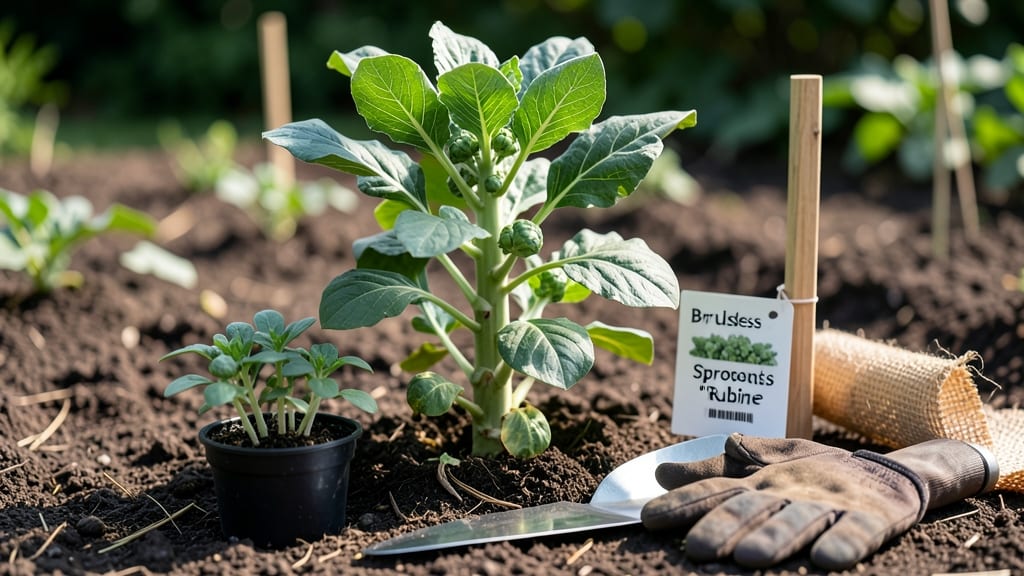
Planting 🥦 Brussel sprouts in NJ at the wrong time means either bolting in summer heat or frost-nuked crops before harvest. The key? Timing it 8-10 weeks before your first frost—and knowing NJ’s microclimates can shift that window by weeks.
Most gardeners in USDA zones 6a-7b assume spring planting is their only shot, but fall crops often produce sweeter sprouts. The trick lies in understanding how Jersey Shore areas (like Cape May) get 10-14 extra frost-free days compared to inland spots like Newark.
I’ll show you how to use NJ’s average frost dates—April 15 for last frost and October 20 for first frost—to calculate your exact planting windows, whether you’re growing heat-tolerant varieties in southern NJ or cold-hardy types up north.
No more guessing: learn the 3 critical adjustments that prevent bolting and ensure a harvest from October through December, even in NJ’s unpredictable fall weather.
NJ’s frost-date calculator for Brussel sprouts: when to plant for maximum yield
New Jersey’s diverse frost zones and microclimates make timing critical for Brussel sprouts. Whether you’re in USDA Zone 6a (northern NJ) or Zone 7b (southern NJ), planting too early risks bolting, while late planting exposes tender sprouts to early frost damage.
The key? Using NJ’s frost-date calculator to align your planting with the 90-day maturity window of most varieties.
Brussel sprouts thrive in cool weather and need consistent temperatures between 50°F and 75°F. In NJ, this means focusing on spring (April–May) or fall (July–August) plantings. Coastal areas like Cape May or Atlantic City enjoy longer growing seasons, while inland regions like Morristown or Trenton face earlier frosts.
A frost-date calculator helps tailor your schedule to your exact location.
Here’s how to use NJ’s frost dates to plan your Brussel sprout planting. Start by identifying your last frost date (average April 15) and first frost date (average October 20).
For a fall harvest, plant 8–10 weeks before frost—typically July 1–August 15. For a spring harvest, plant 60–70 days before last frost, or March 1–April 15.
| Zone/Location | USDA Zone | Spring Planting Window | Fall Planting Window | Harvest Time |
|---|---|---|---|---|
| Northern NJ (Zone 6a) | 6a (0–5°F) | March 15–April 15 | July 1–August 1 | October–December |
| Central NJ (Zone 6b) | 6b (5–10°F) | March 20–April 20 | July 10–August 10 | October–January |
| Southern NJ (Zone 7a–7b) | 7a–7b (0–10°F) | March 25–April 30 | July 15–August 20 | November–February |
| Coastal NJ (Jersey Shore) | 7a–7b (milder) | April 1–May 1 | July 30–September 1 | October–February |
For coastal NJ, where milder winters extend the growing season, you can push fall plantings later (up to September 1) and even spring plantings into early May. In contrast, inland areas like Sussex County or Hunterdon County should stick to earlier windows to avoid early frost.
Use a frost-date calculator (like the Old Farmer’s Almanac or NJ State Climate Office) to input your exact ZIP code for precise dates.
Choosing the right variety also impacts timing. Cold-hardy varieties like ‘Long Island Improved’ or ‘Jade Cross’ tolerate light frosts and are ideal for northern NJ. For southern NJ’s longer seasons, heat-tolerant types like ‘Ruby Ball’ or ‘Coronet’ perform better.
Always check the days to maturity on seed packets—most Brussel sprouts take 90–120 days to harvest, so adjust planting dates accordingly.
If you’re unsure about your local frost dates, start with succession planting. Sow a small batch every 2 weeks between July and August for a staggered fall harvest. This minimizes risk if unexpected frost hits. For spring
How to adjust planting times for NJ’s microclimates (coastal vs. inland)
New Jersey’s microclimates create dramatic differences in growing seasons—just 30 miles inland from the Jersey Shore, and you’ll face earlier frosts and shorter harvest windows. Coastal areas like Cape May enjoy 10-14 extra frost-free days, while inland zones near Sussex County can lose 2-3 weeks of growing time.
This means your Brussels sprouts planting schedule must adapt to avoid bolting or frost damage.
For coastal NJ (USDA Zones 7a-7b), where summers linger until mid-October, you can push fall plantings later than inland areas. In contrast, northern NJ (Zones 6a-6b) demands earlier starts to reach maturity before the first frost.
The key? Succession planting in 2-3 week intervals to stretch harvests from October through December.
Heat-tolerant varieties like 'Long Island Improved' thrive in southern NJ’s warmer microclimates, while cold-hardy types such as 'Jade Cross' suit northern gardens. Pair this with row covers in early fall to extend harvests by 3-4 weeks in frost-prone areas.
| Microclimate | Spring Planting Window | Fall Planting Window | Best Varieties | Succession Tip |
|---|---|---|---|---|
| Coastal NJ (Cape May, Atlantic City) | April 20 – May 10 | July 15 – August 20 | 'Long Island Improved', 'Ruby Cross' | Plant every 2 weeks until August 1 |
| Central NJ (Trenton, Camden) | April 10 – May 1 | July 1 – August 10 | 'Jade Cross', 'Tasty Cross' | Use row covers after Sept 15 |
| Northern NJ (Sussex, Morris) | March 25 – April 15 | June 20 – July 10 | 'Bravo', 'Corvette' | Start seeds indoors by March 1 |
In coastal areas, where humidity delays frost, you can plant Brussels sprouts as late as August 15 for a harvest in November-December. Use black plastic mulch to warm soil and extend the season by 10-14 days.
Inland gardens should focus on earlier starts—sow seeds by March 25 for spring harvests or June 20 for fall crops.
For continuous harvests, stagger plantings every 2-3 weeks from July through August in coastal zones. Inland gardeners should limit to 2 plantings (early July and mid-August) to avoid overcrowding before frost. Always harden off seedlings for 7-10 days before transplanting to prevent shock.
Pro tip: Use a frost-date calculator (like the National Weather Service’s) to pinpoint your local first frost. Subtract 90 days for fall plantings or 60 days for spring starts. This ensures your Brussels sprouts mature just before cold snaps hit hardest.