
Plants
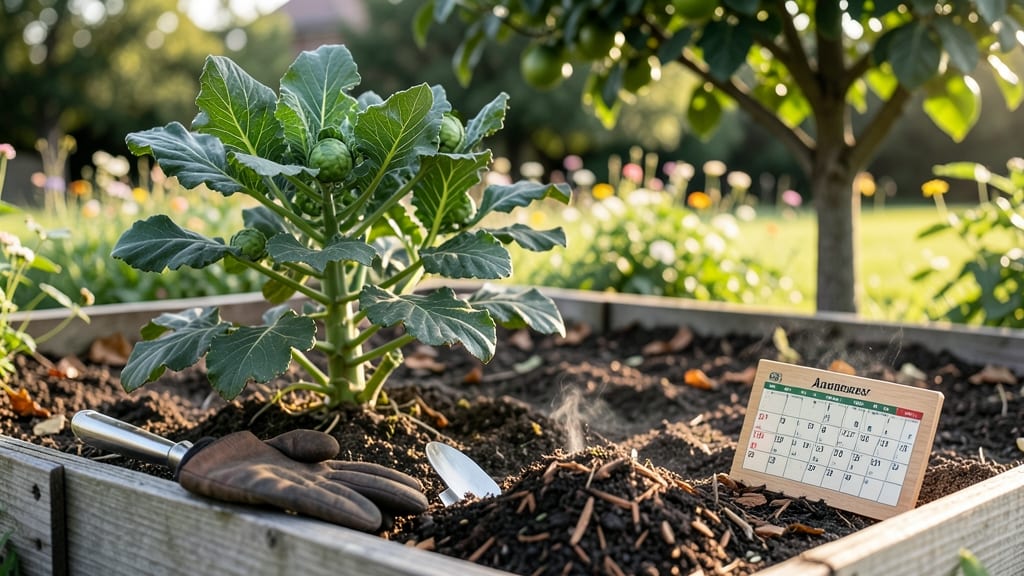
Planting Brussel sprouts 🥦 in Arkansas isn’t just about timing—it’s about outsmarting the state’s unpredictable swings from mild winters to scorching summers. Get the dates wrong, and you’ll end up with bitter-tasting harvests or plants that bolt before they mature.
The key? Knowing exactly when to start seeds or transplant seedlings to align with Arkansas’ 7a-8b frost-free window.
Most gardeners in Arkansas focus on two planting windows: late winter for a spring harvest or early summer for a fall crop. But here’s the catch—plant too early in spring, and your Brussel sprouts will bolt before they’re ready.
Plant too late in summer, and the heat will stunt their growth. I’ll walk you through the exact dates and varieties that thrive in Arkansas’ climate, so you can avoid these common mistakes.
What you’ll discover is how to stretch your growing season by choosing the right varieties and adjusting for Arkansas’ last frost around March 15 and first frost near November 15.
Whether you’re a first-time gardener or a seasoned pro, these insights will help you maximize your yield and enjoy homegrown Brussel sprouts from October through March.
Ready to skip the guesswork? Let’s dive into the step-by-step guide that’ll have your garden producing crisp, flavorful sprouts all season long—without the frustration of wasted effort.
Arkansas frost-free window for planting Brussel sprouts: exact dates & climate zones
Arkansas gardeners know timing is everything when growing Brussel sprouts. This cool-season crop thrives in the state’s USDA Zones 6-8, but planting too early or late can ruin your harvest.
The key is understanding your frost-free window—the period between the last spring frost and first fall frost—while accounting for Arkansas’ variable climate.
Most of Arkansas experiences its last frost around March 15, while the first frost arrives November 15. However, northern regions (like Zone 6) may face earlier frosts, while southern areas (Zone 8) enjoy extended growing seasons.
For Brussel sprouts, this means two ideal planting windows: late winter/early spring and summer for fall harvests.
Here’s the critical detail: Brussel sprouts need 80-120 days to mature. Planting too early in spring risks bolting (premature flowering) from Arkansas’ warming temperatures, while fall plantings must finish before frost. Let’s break down the best planting windows for your Arkansas garden.
For direct sowing, Arkansas gardeners should plant Brussel sprouts seeds 4-6 weeks before the first frost in fall (typically July-August) to ensure a harvest before winter sets in.
This method is ideal for Zone 7-8 areas where summers are hot but brief. Start seeds indoors if transplanting, as young plants establish faster and reduce bolting risks.
In northern Arkansas (Zone 6), aim for late February to early April plantings. Use row covers or cold frames to protect seedlings from late frosts. Southern Arkansas (Zone 8) can extend spring plantings until mid-April, but monitor soil temperatures—Brussel sprouts thrive in 50-65°F soil.
Pro tip: Check your local Almanac frost dates or use the National Weather Service for your specific Arkansas county. For example, Fayetteville (Zone 7a) has a later last frost than Little Rock (Zone 7b), so adjust your timeline accordingly.
A 14-day window before expected frost is safest for fall plantings.
One common mistake Arkansas gardeners make is planting Brussel sprouts too early in spring. The plant’s natural response to warming temperatures is bolting, which makes the sprouts bitter and inedible.
If you’re eager for an early harvest, opt for transplanting instead of direct sowing—young plants handle Arkansas’ unpredictable spring weather better.
For fall harvests, prioritize July-August plantings in all Arkansas zones. This gives the plants enough time to mature before November’s first frost. Use black plastic mulch to warm the soil and drip irrigation to maintain consistent moisture—critical in Arkansas’ humid summers.
Remember, Brussel sprouts are a cool-season crop, so they’ll tolerate light frosts. In fact, a light frost can even sweeten the flavor! But avoid planting too close to winter—once temperatures drop below 20°F, even this hardy vegetable will suffer. With precise timing, you’ll enjoy
Best Brussel sprout varieties for Arkansas gardens & their planting schedules
Arkansas gardeners know that not all Brussel sprouts varieties perform equally in our USDA zones 7a-8b. The right variety can mean the difference between a bitter, stunted harvest and a sweet, abundant crop.
For Arkansas, I recommend cold-hardy, disease-resistant varieties that thrive in our short growing season and humid summers. The key is choosing types that mature quickly and tolerate our late-spring heat waves and early-fall frosts.
Northern Arkansas (zones 7a-7b) faces earlier frosts around November 1, while southern Arkansas (zones 8a-8b) can stretch the season until November 15. This means timing your planting dates and selecting fast-maturing varieties is critical.
Below, I’ve outlined the top Brussel sprout varieties for Arkansas gardens, their ideal planting windows, and how to adjust for your specific region.
| Variety | Days to Maturity | Best Planting Window (Arkansas) | Cold-Hardiness | Notes for Arkansas |
|---|---|---|---|---|
| Long Island Improved | 90-100 days | Late Feb - Early April (spring) or July 1-15 (fall) | Tolerates light frost | Best for northern AR; compact size |
| Ruby Ball | 85-95 days | Late Feb - Early April (spring) or July 15-30 (fall) | Very cold-hardy | Purple sprouts; ideal for southern AR |
| Jade Cross | 85-90 days | March 1-15 (spring) or July 1-15 (fall) | Heat-tolerant | Great for late spring plantings |
| Tuxedo | 90-100 days | Late Feb - Early April (spring) or July 1-15 (fall) | Disease-resistant | Dark green sprouts; uniform size |
For northern Arkansas (zones 7a-7b), I recommend starting Long Island Improved or Tuxedo in late February for a spring harvest or July 1-15 for a fall crop. These varieties handle our earlier frosts better and mature quickly before November’s chill.
In southern Arkansas (zones 8a-8b), you can push the fall planting window to July 15-30 and choose Ruby Ball for its cold-hardiness and sweet flavor.
If you’re planting in late spring (March-April), opt for Jade Cross—it’s more heat-tolerant and won’t bolt as quickly in Arkansas’ unpredictable late-spring warmth. Always plant 4-6 weeks before your first frost to ensure a full harvest.
For example, if your frost date is November 1, aim to plant by September 15.
Pro tip: Use row covers in early fall to extend your harvest window by 2-3 weeks. This is especially useful in northern Arkansas, where frosts can arrive earlier than expected.
With the right variety and timing, you’ll enjoy homegrown Brussels sprouts from October through December—just in time for holiday meals! 🥦