
Plants
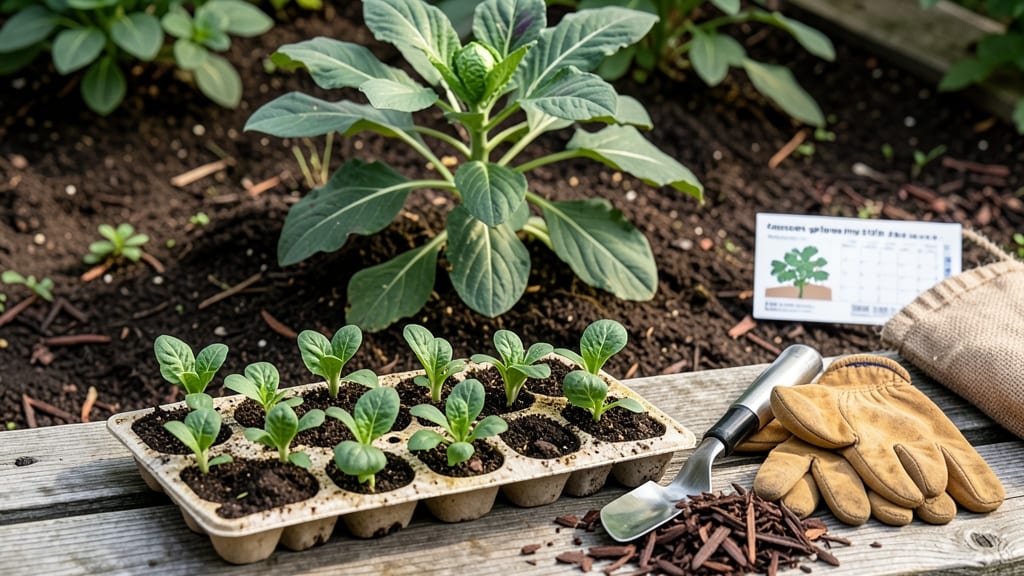
Planting Brussel sprouts 🥦 in Oregon isn’t just about the calendar—it’s about outsmarting the region’s wild swings from coastal chill to inland heat. If you’ve ever watched your sprouts bolt before reaching harvest size or struggle in soil that’s too warm, you’re not alone.
The key lies in understanding exactly when to start seeds based on your microclimate, whether you’re in the Willamette Valley’s mild zones or the high-desert’s cooler nights.
In USDA zones 7b–9, timing matters more than you’d think. Coastal gardeners in 8b can push spring starts as early as mid-March, while inland areas in 7b should wait until late March to avoid premature bolting.
Fall plantings? July to early August is your sweet spot, but coastal fog and inland heat both demand adjustments—like row covers or shade cloth—to keep those 🥦 happy until harvest.
I’ve spent years tweaking these windows, and the difference between a 90-day harvest and a bitter disappointment comes down to soil temperature, frost dates, and elevation**.
Let’s break it down: when to plant for your exact zone, plus the pro tips to extend your season—because in Oregon, the weather’s always plotting against your Brussels.
Oregon’s ideal planting windows for Brussel sprouts by elevation Zone
Oregon’s three distinct elevation zones create wildly different growing conditions for Brussel sprouts. Coastal areas stay milder, the Willamette Valley enjoys moderate summers, and high-desert regions face earlier frosts.
To avoid bolting or stunted growth, timing is everything. I’ll break down the optimal planting windows for each zone, including frost-free date calculations and cold-hardiness factors.
Brussel sprouts thrive in cool weather and actually sweeten in frost. This makes them perfect for Oregon’s climate, but planting too early or late can lead to premature bolting or poor harvests. The key is understanding your last frost date and adjusting for your specific elevation.
Western Oregon typically has USDA Zone 8b (cooler coastal areas) while Eastern Oregon falls into Zone 7b (higher desert elevations).
| Elevation Zone | Last Frost Date | First Frost Date | Spring Planting Window | Fall Planting Window | Harvest Window |
|---|---|---|---|---|---|
| Coastal (Lowland) | April 20 | October 25 | March 15–April 10 | July 15–August 10 | Late October–December |
| Willamette Valley (Mid-Elevation) | April 15 | October 20 | March 1–March 25 | July 1–July 31 | Late September–November |
| High Desert (Eastern Oregon) | April 10 | October 10 | February 20–March 15 | June 15–July 10 | Late September–October |
For coastal Oregon, where fog keeps nights cool, you can start Brussel sprouts as late as mid-April. The longer growing season means you can even plant a fall crop in August for a winter harvest.
Just be mindful of soil moisture—coastal areas can get overly wet, so raised beds help prevent root rot.
In the Willamette Valley, where summers are warm but not extreme, spring planting should begin by early March. This gives plants enough time to mature before summer heat stresses them.
A fall planting in July works well too, as temperatures start cooling by late August. Use row covers if nights stay warm past September.
The high-desert regions of Eastern Oregon demand the earliest start dates. Plant Brussel sprouts indoors by late February and transplant outdoors by mid-March to ensure a harvest before frost.
Fall planting must happen by mid-July to avoid early October frosts. These areas also benefit from black plastic mulch to warm the soil faster in spring.
Brussel sprouts need 80–120 days to mature, so calculate backward from your first frost date. For example, if your frost arrives October 10, plant by July 1 for a fall harvest.
In cooler coastal zones, you can extend this to August 10. Always check Oregon State University’s frost maps for your exact location.
One cold-hardiness tip: Brussel sprouts can tolerate light frosts and even improve in flavor after a light freeze. In Zone 7b, you might get a second harvest wave after early frosts. Just avoid hard freezes below 20°F, which can damage plants.
For succession planting, try sowing every 2 weeks in spring or every 3 weeks in fall. This ensures a continuous harvest and prevents overwhelming your kitchen all at once. In high-desert areas, focus on early spring plantings—fall crops often struggle with shortened daylight.
Remember: soil
How to adjust planting for Oregon’s microclimates and soil conditions
Oregon’s microclimates can feel like gardening in two different states—coastal areas with cool, foggy summers and inland zones where heat spikes arrive early. For Brussel sprouts, this means soil prep and season extension are just as critical as planting dates.
I’ve learned the hard way that sandy coastal soil drains too fast, while clay-rich inland soil holds moisture like a swamp—neither works without adjustments.
Your first move? Test your soil pH—Brussel sprouts thrive in 6.0–7.0. If your soil’s too acidic (common in Western Oregon’s volcanic soils), amend with lime. For high-desert gardens, organic matter like compost or aged manure is non-negotiable to retain moisture in fast-draining soils.
I once watched my sprouts wilt in Bend’s alkaline soil until I added peat moss—now I never skip this step.
- Extend your season with row covers or cold frames—coastal gardeners can start 2–3 weeks earlier than inland areas.
- Use shade cloth (30–50%) in inland zones to protect young plants from late-spring heat that triggers bolting.
- Mulch heavily with straw or wood chips to regulate soil temperature—critical for high-desert microclimates where nights are cold but days heat up fast.
- Adjust watering: Coastal areas need consistent moisture (1–2 inches/week), while inland soils may require drip irrigation to avoid crusting.
- Fertilize in layers: Side-dress with compost tea every 4–6 weeks to match Brussels’ slow growth—overfeeding leads to leafy monsters, not sprouts.
For fall plantings, I swear by succession sowing every 2 weeks from July to August. This stretches your harvest window and lets you harvest through frost.
In coastal Oregon, where fog lingers, I use black plastic mulch to warm the soil—without it, sprouts take 3+ weeks longer to mature. Inland gardeners? Reflective mulch can save your plants from heat stress during those 90°F+ days.
Don’t overlook transplant shock—Brussel sprouts hate being moved. If starting indoors (recommended for high-desert zones), harden off seedlings for 10–14 days before setting them out. I’ve lost entire batches because I rushed this step. Direct-sow in cooler coastal areas (March–April) to avoid shock entirely.
Pro tip: Plant deeper (1/4 inch below soil) to encourage strong root growth in poor soil.
One game-changer? Biochar mixed into soil. It improves water retention in sandy soils and adds microbes that break down organic matter faster. I’ve seen 30% faster growth in amended beds versus unamended.
Pair it with a mycorrhizal fungi dust for even better results—especially in high-desert gardens where nutrients leach out quickly.
Finally, monitor soil temperature. Brussels sprout seeds need 45–55°F soil to germinate—cooler than most veggies. Use a soil thermometer to time your plantings.
In Eastern Oregon, I wait until mid-April when soil hits 50°F; coastal gardeners can start 2 weeks earlier. No exceptions—cold soil = rotten seeds.