
Plants
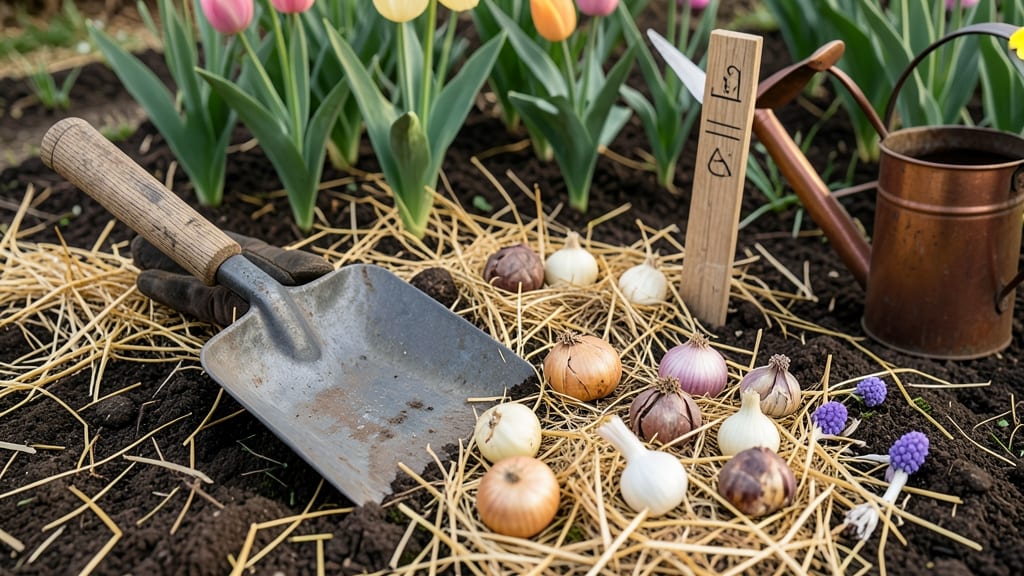
If you’ve ever planted Spring Flowering Bulbs 🌷 in Central Texas only to watch them wilt in the summer heat, you’re not alone—timing is the secret most gardeners miss.
The key to vibrant blooms isn’t just about digging a hole; it’s about planting when the soil is cool enough to let bulbs root before the Texas heat kicks in.
Most gardeners assume fall is the only window, but in zones 8a-9b, early winter can actually work better for certain varieties.
I’ve tested this myself, and the difference between a thriving garden and a failed experiment often comes down to 6-8 weeks before the first frost—not a calendar date.
Let me show you exactly when to plant for guaranteed spring color, plus how to pick bulbs that actually thrive in our climate.
You’ll also discover why traditional timing advice fails in Central Texas—like how late freezes can sneak up on you—and how to adjust for bulbs that need chill hours without freezing. Spoiler: It’s all about working with our unpredictable weather, not fighting it.
Ready to skip the guesswork? By the end, you’ll know not just when to plant, but which bulbs to choose, how deep to bury them, and even how to protect them from our brutal summers. Let’s get those 🌷 blooms growing the right way.
Central Texas heat zones: best planting months by bulb type
Central Texas sits squarely in USDA Heat Zones 8a-9a, where summer temperatures can soar past 100°F while winters bring sporadic freezes. These extremes make timing critical for bulb success—plant too early, and roots will bake; too late, and blooms may never appear.
The key is matching each bulb type to our 6-8 week chill window between November and February.
Unlike cooler climates, Central Texas gardeners must prioritize root establishment before summer heat sets in. Most traditional bulbs need 4-6 weeks of cold to trigger flowering, but our mild winters often fall short.
That’s why fall planting is non-negotiable for spring bloomers like tulips, while summer bulbs like cannas thrive when planted after Memorial Day once soil warms.
🌱 Pro Tip: Use a planting calendar tied to your last frost date (typically December 15 for Zone 8a and January 15 for Zone 9a). This ensures bulbs establish roots before summer’s brutal heat arrives.
For spring-flowering bulbs, aim to plant 6–8 weeks before your first frost. In Central Texas, that means October through December for most varieties. Tulips and hyacinths are particularly finicky—they need 4–6 weeks below 50°F to bloom.
If you’re planting in January or February, pre-chill bulbs in your fridge for 6–8 weeks before planting.
Summer bulbs like dahlias and cannas thrive in our heat but need warm soil to sprout. Wait until after Memorial Day (typically late May) when soil temperatures exceed 60°F. These bulbs are heat-tolerant but require rich, well-draining soil to prevent rot in our heavy clay.
💡 Expert Hack: Use black plastic mulch in summer to keep soil temps ideal for cannas and dahlias. This also suppresses weeds and retains moisture during Texas’ dry spells.
Fall/winter bulbs like crocus and snowdrops are your best bet for low-chill blooms. Plant them in October or November—they’ll naturalize over time and pop up before spring bulbs, giving you earlier color. These tough little bulbs handle our sporadic freezes like champions.
Native bulbs such as spider lilies (Hymenocallis) and society garlic (Tulbaghia) are Texas-proof with zero chill requirements. Plant them in September or October for fall blooms or February for spring. They’re drought-tolerant once established and attract pollinators.
Always plant bulbs 2–3 times as deep as their height (e.g., 6-inch-deep holes for 2-inch bulbs). Well-draining soil is non-negotiable—amend heavy clay with compost or sand to prevent rot. After planting, mulch with 2–3 inches of organic matter to protect roots from summer heat and winter freezes.
Finally, avoid planting in summer—the heat will kill most bulbs before they sprout. If you’re itching to garden in July, stick to container-grown bulbs like amaryllis, which thrive indoors under grow lights until fall planting.
Chill requirements for bulbs in Central Texas: how to trick them into blooming
Most traditional spring-blooming bulbs like tulips and hyacinths need 12-16 weeks of cold below 40°F to trigger flowering. Central Texas rarely delivers this naturally, leaving gardeners frustrated. The key? Understanding chill requirements and adapting planting strategies to our mild winters.
Native and adapted bulbs like rain lilies (Zephyranthes) and spider lilies (Hymenocallis) thrive here with minimal chill, often blooming without extra help. Meanwhile, high-chill varieties like daffodils (some varieties) or tulips need creative solutions to bloom reliably.
Pre-Chilling Methods for High-Chill Bulbs
- Guaranteed blooms for high-chill varieties
- Controlled environment prevents rot
- Works for potted bulbs or small gardens
- Time-consuming (requires planning)
- Risk of over-chilling if left too long
- Not ideal for large-scale gardens
For container gardening, use black plastic pots buried in the ground. The soil stays cooler, mimicking natural chill. This works well for tulips or hyacinths in Zone 8b-9a. Just ensure pots have drainage holes to prevent rot during our sporadic rains.
Low-chill bulbs like crocus (Crocus vernus) and snowdrops (Galanthus) are your best bets for zero-chill blooms. Plant them in fall (October-November) under deciduous trees where winter shade protects roots from freeze-thaw cycles.
If you’re determined to grow high-chill bulbs, try shade cloth (30-50%) over planted areas during winter months. This lowers soil temps slightly, helping bulbs meet their chill hour requirements. Combine this with mulch (2-3 inches) for extra insulation.
Remember: Patience is key. Bulbs planted in Central Texas may take 1-2 years to establish and bloom. Focus on soil prep—amend with compost and sand for drainage—and choose adapted varieties for the best results.
With the right tricks, your Texas garden can still burst with spring color! 🌷