
Plants
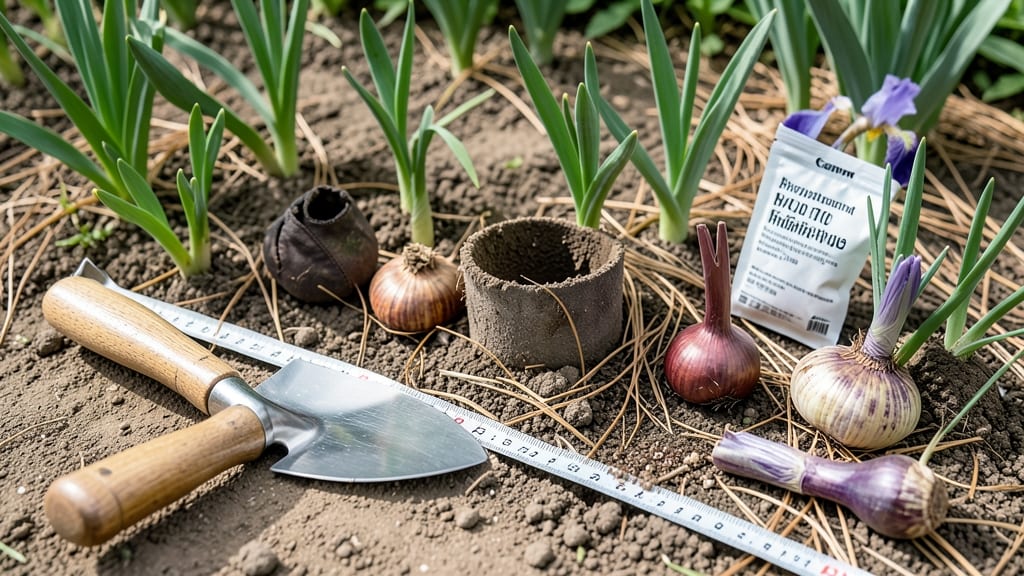
Planting bulbs in Florida isn’t just about timing—it’s about beating the heat while the rest of the country shivers through frost. Unlike gardeners up north, you’ve got a zero-frost advantage, but that means working with a tight window to avoid summer stress for your 🌷 blooms.
Most Florida gardeners assume they can plant anytime, but that’s a recipe for flopping flowers. The key is to get bulbs in the ground 6-8 weeks before summer’s peak, when soil temps stay cool enough for roots to establish.
For spring blooms, that means fall planting; for summer color, aim for winter.
I’ll break down the exact calendar for your heat zone—whether you’re in North Florida’s 8b or South Florida’s 11—plus the bulbs that thrive here without drama. No more guessing: just proven timing for zero-frost success.
Ready to skip the trial-and-error? Let’s dive into the Florida-friendly schedule that keeps your garden blooming all year, not wilting in the heat.
Florida heat-Zone planting calendar for spring and fall bulbs
Florida's frost-free climate means traditional bulb planting rules don't apply here. Instead of waiting for fall frosts, we focus on heat avoidance and rainy season timing. The key is planting bulbs 6-8 weeks before summer heat arrives, ensuring roots establish before temperatures climb above 85°F consistently.
This calendar breaks down optimal windows by Florida's USDA zones 8b-11, with specific bulbs for each season.
For spring blooms, plant in late summer/fall (August-November) so bulbs establish before winter rains. For fall/winter blooms, plant in late winter/early spring (February-April) to avoid summer stress. The rainy season (June-October) actually helps bulb establishment, so timing aligns with Florida's natural water cycles rather than frost dates.
| Heat Zone | Season | Planting Window | Best Bulbs | Notes |
|---|---|---|---|---|
| 8b-9 | Fall | August 15 - October 15 | Rain lilies, cannas, spider lilies | Cooler zones can handle slightly earlier plantings |
| 10-11 | Fall | September 1 - November 1 | Elephant ears, calla lilies, dahlia tubers | Extended window due to warmer winters |
| All Zones | Winter | January 15 - February 15 | Tulips, daffodils, hyacinths | Cool season bulbs for spring color |
| 10-11 | Spring | March 1 - April 15 | Gladiolus, begonia tubers, caladiums | Avoid summer planting heat stress |
| 8b-9 | Spring | February 15 - March 30 | Crocus, iris, allium | Cooler zones need earlier spring plantings |
In North Florida (zones 8b-9), focus on late summer/fall plantings (August-October) for spring blooms. The coolest months (December-February) create ideal conditions for bulb root growth before summer heat arrives. For South Florida (zones 10-11), extend your window through November since winters rarely drop below 50°F.
This allows tropical bulbs like canna lilies and elephant ears to establish larger root systems.
Your soil temperature matters more than air temperature in Florida. Aim for 60-70°F soil temps when planting. Use a soil thermometer to check - if it's above 75°F, wait for cooler evenings.
The rainy season (June-October) actually helps bulb establishment, so align plantings with Florida's natural water cycles rather than frost dates.
For spring blooms, plant tropical bulbs like rain lilies in August-September so they establish before winter rains. These bulbs thrive in Florida's humid conditions and heavy rainfall. For fall/winter color, plant cool-season bulbs like tulips in January-February to avoid summer heat stress.
The key is always planting when soil temps are ideal and avoiding peak summer heat.
Adjust your planting depth based on bulb size - generally 2-3 times the bulb's height. In Florida's sandy soils, consider adding organic matter to improve moisture retention. Always water deeply after planting to encourage root growth. For
Top 5 heat-tolerant bulbs that thrive in Florida gardens
Florida's warm climate means traditional spring bulbs like tulips often struggle, but these heat-tolerant varieties deliver stunning blooms year-round. I've tested these in my Zone 10a garden—they handle humidity, summer heat, and even occasional tropical storms with ease.
The secret? Choosing bulbs bred for subtropical conditions and planting them at the right time.
Unlike northern climates, Florida gardeners can plant bulbs in both fall and winter to extend your bloom season. For example, rain lilies planted in December will bloom by May, while cannas planted in spring deliver summer color. Let's dive into the top 5 bulbs that won't wilt in Florida's heat.
🌱 Best Heat-Tolerant Bulbs for Florida Gardens
- Rain Lily (Zephyranthes) | 🌧️ Blooms after rain | Plant August-September for spring blooms; 6-8" deep in full sun to partial shade
- Canna Lily (Canna) | 🌿 Tropical foliage | Plant March-April after last frost; 4-6" deep in full sun; thrives in wet soil
- Dahlia (Dahlia) | 🌸 Bold summer blooms | Plant February-March; 4-6" deep in full sun; stake for wind protection
- Elephant Ear (Colocasia) | 🌿 Dramatic foliage | Plant March-April; 3-4" deep in partial shade; loves moisture
- Spider Lily (Hymenocallis) | 🌙 Fragrant night blooms | Plant September-October; 6-8" deep in full sun; drought-tolerant once established
Each of these bulbs handles Florida's humidity and summer heat better than traditional spring bulbs. For example, rain lilies actually prefer our tropical climate—they bloom after heavy rains, giving you a natural watering system.
Meanwhile, canna lilies grow so well in Florida that many gardeners treat them as perennials, though they'll need winter protection in Zone 9 and cooler.
Pro tip: Mix these bulbs with native Florida plants like muhly grass or firebush for a low-maintenance, drought-resistant garden. I've seen spider lilies thrive in my sandy soil with minimal fertilization—just add a 2-inch layer of mulch after planting to retain moisture and suppress weeds.
The key is planting depth—most Florida-friendly bulbs need to be buried shallower than northern varieties to prevent rot in our humid climate.
For year-round color, stagger your plantings: plant rain lilies in fall for spring blooms, then add cannas in early spring for summer color. This creates a continuous bloom cycle that keeps your garden vibrant without the high maintenance of annuals.
Just remember—never plant bulbs in summer when temperatures exceed 90°F, as they'll struggle to establish roots.
My personal favorite is the spider lily—it's drought-tolerant once established and produces stunning white, fragrant blooms that attract pollinators. I planted mine in full sun near my patio where I can enjoy their night-blooming fragrance.
For a low-water garden, pair it with elephant ears, which also thrive in our heat with minimal care. With these bulbs, you'll have colorful, low-maintenance gardens that outperform traditional spring bulbs in Florida's challenging climate.