
Plants
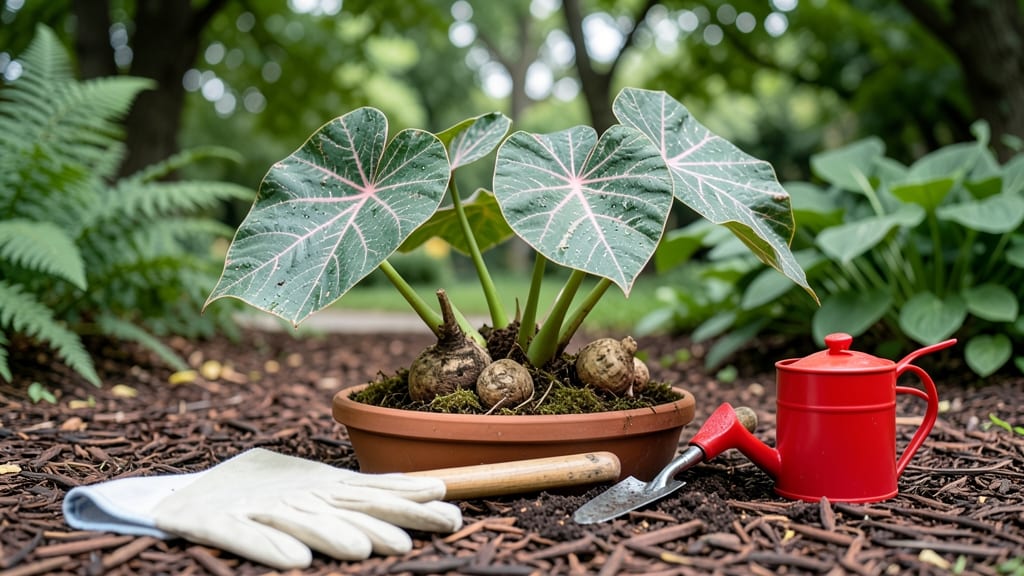
Planting caladium bulbs in Florida at the wrong time means missing out on their showstopping foliage—those vibrant leaves that turn every garden into a tropical paradise. The key to success?
Timing it right, between March and April, when the soil warms up and the last frost threat fades away. Florida’s humid summers are perfect for caladiums, but only if you give them the right start.
I’ve learned the hard way that rushing these bulbs into cold soil or waiting too long can spell disaster—either they rot or struggle to grow. The ideal window aligns with Florida’s 9a-11 climate, where warm soil temperatures and consistent moisture set the stage for lush growth.
Whether you’re in North or South Florida, these exact months make all the difference.
In this guide, I’ll walk you through the step-by-step process for planting caladium bulbs, from checking soil temperature to spacing them just right. You’ll also discover how to protect them from Florida’s heat and humidity, ensuring your caladiums thrive all summer long.
Let’s get those bulbs in the ground the right way!
Ready to transform your garden with stunning caladiums? The secret starts with planting them at the perfect time—and I’ve got all the details to make it happen. Let’s dive in!
Best months to plant caladium bulbs in Florida for maximum growth
Florida gardeners know that caladium bulbs thrive in the state’s heat and humidity—but only if planted at the right time. The sweet spot for planting is April to early May, when soil temperatures consistently stay above 65°F and frost risk vanishes.
This timing aligns with Florida’s spring transition, giving your caladiums the head start they need for vibrant summer foliage.
Skipping this window can lead to sluggish growth or even bulb rot, thanks to Florida’s high humidity and occasional summer downpours. The key is to plant when the soil warms but before the peak heat of June, when caladiums may struggle to establish roots in the intense sun.
For North Florida gardeners (Zones 8-9), the last frost date is typically around March 15, so hold off until mid-April to ensure your caladium tubers don’t get shocked by lingering cold snaps.
In contrast, South Florida (Zones 10-11) can plant as early as late February—just monitor soil temps to avoid soggy, slow-to-warm ground.
If you’re in a coastal microclimate, like Miami or Tampa, the ocean breezes can delay soil warming. Test your soil with a thermometer—plant only when it hits 65°F for 3+ days. Inland areas, like Orlando or Gainesville, warm up faster, so early April is ideal for them.
One common mistake I see is planting caladiums too deep. These bulbs need 4-6 inches of coverage—any deeper, and they’ll rot in Florida’s wet summers. Mix in perlite or sand to improve drainage, especially if your soil is heavy clay.
This small tweak can mean the difference between lush foliage and a sad, wilted plant.
Pro tip: Mulch heavily after planting to retain moisture and regulate soil temps. Use 3-4 inches of organic mulch, like pine straw or shredded bark, to keep roots cool and reduce weeds. This is especially critical in June plantings, where the heat can overwhelm young tubers.
For container gardening, the rules are slightly different. Since pots heat up faster, aim to plant caladium bulbs in May to avoid root stress. Use containers with drainage holes and a lightweight potting mix to prevent compaction.
Place them in partial shade to protect the delicate leaves from Florida’s intense afternoon sun.
Remember, caladiums are foliage plants, not bloomers (though some varieties produce small flowers). Their stunning leaves are the star, so focus on leaf color intensity when choosing varieties like 'White Queen' or 'Flamingo'. Planting in the right month ensures those leaves stay vibrant all summer long.
Finally, if you’re unsure about your local frost dates, check the Florida Climate Center or ask your local Cooperative Extension office. They’ll give you precise data for your county’s microclimate, helping you fine-tune your planting schedule for maximum success. 🌿
How to prepare caladium bulbs for Florida’s summer heat before planting
Before you rush to plant those caladium bulbs, Florida’s summer heat demands extra prep work. These tropical beauties need the right conditions to thrive, and skipping steps like soil amendments or proper spacing can lead to rot or stunted growth.
I’ve seen firsthand how a little preparation goes a long way—especially in our humid climate.
Start by checking your soil temperature. Caladiums won’t sprout until the ground reaches at least 65°F. Use a soil thermometer to confirm—this is non-negotiable for success.
In North Florida, this usually means waiting until late March or early April, while South Florida gardeners can plant as early as February.
Next, focus on well-draining soil. Caladiums hate soggy roots, so amend your garden beds with compost or peat moss to improve drainage. If your soil is heavy clay, mix in perlite or sand to create a lighter texture.
For containers, use a potting mix designed for tropical plants—it’s worth the investment!
⚠️ Critical Mistake Alert!
Planting too early in cold soil causes rot. Florida’s frost-free zones (9a-11) still have cool spells—wait until soil is consistently warm (65°F+). Overwatering after planting is another killer—caladiums need moist but not soggy soil. Test soil moisture by sticking your finger 1 inch deep; if it’s damp, wait to water.
Now, let’s talk chilling requirements. Unlike some bulbs, caladiums don’t need a cold period, but they do benefit from a 2-4 week warm-up before planting. If you bought bulbs in winter, store them in a cool, dry place (like a garage) until planting time.
This mimics natural conditions and prevents premature sprouting.
For container growing, choose pots with drainage holes and fill them with a mix of potting soil and perlite. Plant bulbs 4-6 inches deep, leaving the "neck" (the narrow part) just above soil level.
In-ground plantings should follow the same depth rule, but space bulbs 12-18 inches apart to allow for their lush foliage to spread.
Finally, mulch! Apply a 2-inch layer of mulch (like pine straw or shredded leaves) around your caladiums to retain moisture and regulate soil temperature. This is especially important in Florida’s intense summer sun, which can dry out soil quickly.
Just keep the mulch away from the bulb neck to prevent rot.
With these steps, your caladiums will be ready to burst into vibrant color all summer long—no more sad, wilty leaves! The key is patience and prep. Now go enjoy your tropical oasis! 🌿