
Plants
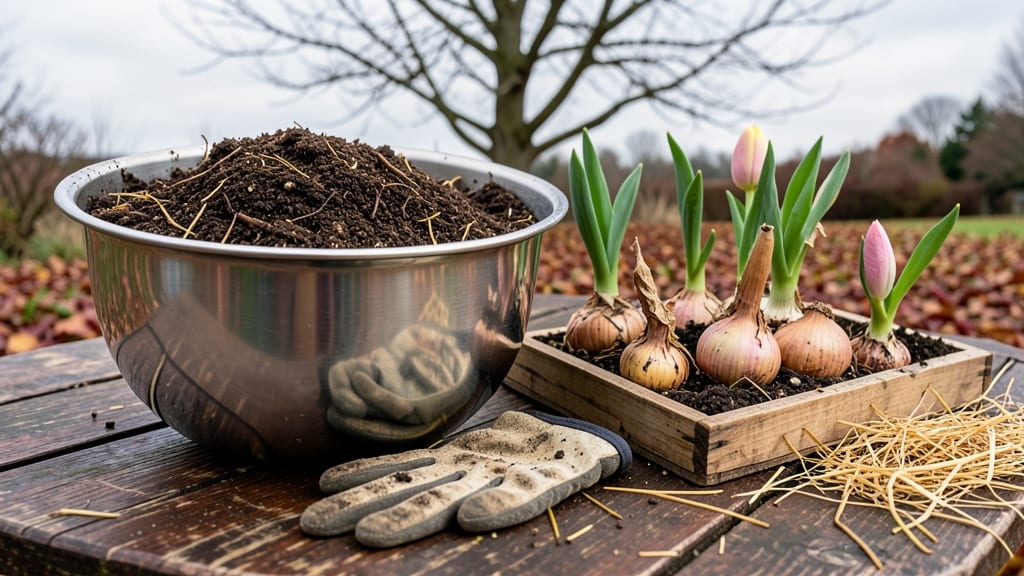
Planting Spring Flowering Bulbs (Tulips, Daffodils, Hyacinths, etc.) 🌷 in Iowa isn't just about sticking them in the ground—it's about timing them perfectly to beat the 5a-6b zone's harsh winters and short growing season.
One wrong move, and you could end up with mush instead of blooms or miss the entire show. But here's the good news: with the right window, you'll get those vibrant spring displays year after year.
Most Iowans swear by fall planting—September to October—when soil temps drop and bulbs can establish roots before winter. However, early spring planting (March-April) works too, especially for late bloomers like tulips.
The key is getting them in 6-8 weeks before the ground freezes, so they have time to root but not sprout too early.
Why does this matter? Because Iowa's unpredictable frost dates mean bulbs planted too late might not flower at all. I'll break down the exact months for your zone, plus soil prep tricks to give your 🌷 beauties the best start. No more guessing—just guaranteed blooms.
Ready to transform your yard into a springtime spectacle? Let's dive into the must-know timing and soil secrets that'll make your bulbs thrive despite Iowa's challenging climate. You'll be amazed at how simple it can be once you know the right moves.
Iowa’s best bulb planting months by hardiness Zone (2024 guide)
Iowa’s USDA Zones 4a-5b create a unique challenge for bulb planting—too early, and bulbs rot in cold, wet soil; too late, and they won’t establish roots before winter. The key? Plant when soil temps hit 50-60°F and there are 6-8 weeks until frost.
For most of Iowa, this means late September to mid-October for fall planting, with a backup window in March-April for early bloomers.
Your hardiness zone matters: Northern Iowa (Zone 4a) has a shorter window than Southern Iowa (Zone 5b). For example, Des Moines (Zone 5a) can plant until October 15, while Dubuque (Zone 4b) should finish by October 1.
Use your local last frost date (typically April 15) as your spring planting deadline.
Iowa’s clay-heavy soils drain poorly, so amend with compost or sand to prevent rot.
Aim for 6-8 inches deep for most bulbs, with tulips and daffodils planted slightly deeper (8 inches) to protect against frost heave. Alliums and crocuses, however, thrive just 3-4 inches deep—perfect for early spring color.
🌱
For early bloomers like snow crocuses and early daffodils, plant in late September—they’ll push through snow for March-April blooms. Late-season tulips and alliums, however, need October planting to flower in May-June.
Pro tip: Layer bulbs—plant crocuses first (3-4 inches deep), then tulips (6 inches), and top with mulch (4-6 inches) to insulate.
Iowa’s variable winters can confuse timing, but use the “6-week rule”: Count back 6 weeks from your average first frost date (check Almanac.com for your city).
For example, if frost hits October 15, plant by September 1. Missed the window? Don’t panic—March-April is your second chance, but expect smaller blooms that year.
Test soil readiness with a soil thermometer: Ideal temps are 50-60°F. If soil is below 50°F, wait—bulbs won’t root properly. Overwatering is another Iowa pitfall; bulbs rot in soggy clay.
Water deeply once after planting, then let nature take over until spring rains arrive. Mulch with straw (not leaves) to regulate temps and deter voles.
5 Critical signs your Iowa soil is ready for bulb planting (and 3 mistakes to avoid)
Iowa’s clay-heavy soils can make bulb planting tricky, but knowing the right soil conditions ensures your daffodils, tulips, and alliums thrive. The key is timing—plant too soon, and bulbs rot; too late, and they won’t establish roots before winter. Here’s how to check your soil’s readiness.
First, test for soil temperature. Bulbs need 60°F soil for root growth, but Iowa’s fall temps drop fast. Use a soil thermometer—ideal planting occurs when daytime temps hit 50-60°F and nights stay above 40°F. In most of Iowa, this means late September to early October.
Next, assess moisture levels. Press your finger 2 inches deep—soil should feel damp but not soggy. Iowa’s clay retains water, so if it’s sticky, wait 1-2 weeks. Overwatering is a common mistake—bulbs rot in waterlogged soil, especially in Zone 5a’s heavy clay.
⚠️ CALLOUT WARNING ⚠️
🚨 Iowa Soil Red Flags
1. Hard, compacted clay (won’t crumble when dry)—amend with compost or sand.
2. Standing water after rain—bulbs need well-draining soil.
3. pH below 6.0 (test with a kit)—most bulbs prefer 6.0-7.0.
Mistake to Avoid: Planting when soil temps drop below 50°F—roots won’t form!
Check drainage by digging a 6-inch hole and filling it with water. If it drains in 2 hours, your soil is ready. If not, mix in organic matter like peat moss or leaf compost. Iowa’s clay drains poorly, so this step is non-negotiable for tulips and hyacinths.
Don’t ignore soil pH. Iowa’s native soils often skew acidic (pH 5.5-6.5). Test your soil—most bulbs prefer neutral (6.0-7.0). Add lime to raise pH or sulfur to lower it. A quick fix? Work in 1 inch of wood ash (for alkaline boost) before planting.
Finally, avoid these 3 deadly mistakes:
- Planting too deep—cover bulbs with soil 2-3x their height (e.g., 6" for tulips).
- Overwatering after planting—water lightly, then let nature take over.
- Skipping mulch—apply 2-3 inches of straw to insulate bulbs in winter.
With these signs checked, your Iowa soil is ready to welcome bulbs—just don’t wait until the ground freezes! 🌱