
When to Plant Bulbs in Kansas: Exact Months by USDA Zone for Zero-Frost Success

Plants

When to Plant Bulbs in Kansas: Exact Months by USDA Zone for Zero-Frost Success

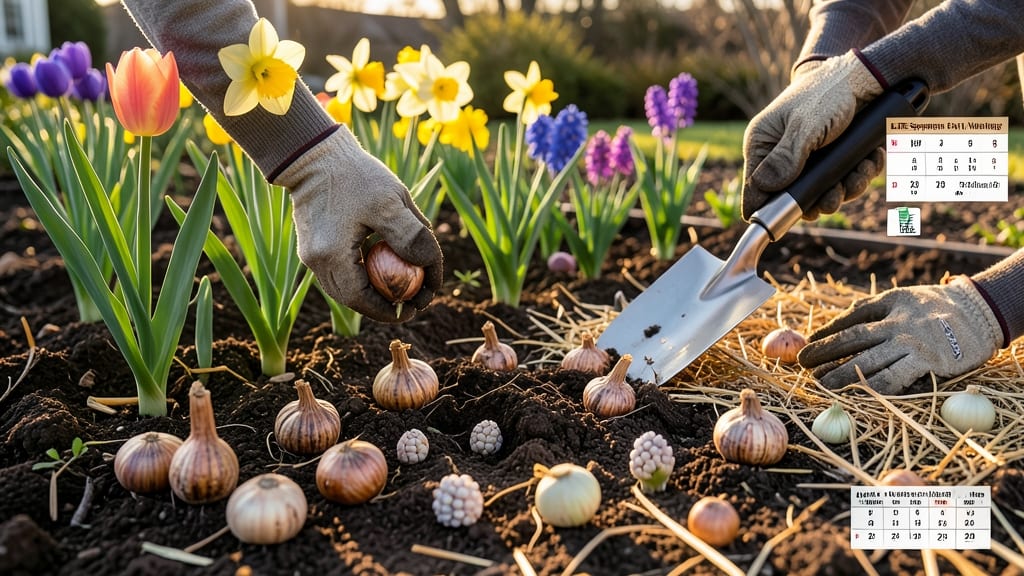
Planting bulbs at the wrong time in Kansas can turn your spring dreams into a frozen disappointment—or worse, a muddy mess. The key to vibrant 🌷 tulips, daffodils, and hyacinths lies in knowing the exact window, which varies by USDA zone and weather patterns.

In 5b-6b zones, fall planting is your golden opportunity—4-6 weeks before the first frost (usually mid-September to early October) gives roots time to establish before winter. But timing isn’t just about dates; soil temperature and moisture play a role too.

I’ll break down the perfect planting schedule for Kansas, including soil prep tricks and how to avoid common mistakes like planting too early (risking rot) or too late (missing bloom season). Whether you’re a first-timer or a seasoned gardener, these insights will help you grow bulbs that thrive.

Ready to transform your garden? Let’s get those 🌷 bulbs in the ground at the right moment for a showstopping spring display.

🌷 When to Plant Bulbs (General, e.g., Tulips, Daffodils, Hyacinths) (General, e.g., Tulips, Daffodils, Hyacinths)
Jan ❄️
Feb 🌱
Mar 🌷
Apr 🌷
May 🌱
Jun ☀️
Jul ☀️
Aug ☀️
Sep 🍂
Oct 🍂
Nov 🍂
Dec ❄️
Ideal Time
Also Good

Kansas bulb planting calendar by USDA zone (exact months & deadlines)

Kansas spans USDA Zones 5a to 7a, where fall frost arrives October 15 and last frost typically passes April 15. These dates create tight windows for planting bulbs—miss them, and you risk frost damage or missed blooms.

Fall-planted bulbs (like tulips and daffodils) need 4-6 weeks before the ground freezes, while spring-planted varieties (like crocuses) wait until soil warms to 50°F.

Your zone determines exact deadlines: Gardeners in Zone 5a (northwest KS) must plant by mid-October, while those in Zone 7a (southeast KS) have until late November. Spring planting starts 2-4 weeks after last frost, but bulbs like alliums can handle light frost once shoots appear.

Soil temperature is critical: Aim for 40-50°F when planting fall bulbs. Use a soil thermometer—cooler soil slows root growth, while warmer soil speeds it up. In Kansas, late September to mid-November is ideal for most bulbs, but early spring (March-April) works for hardy varieties like snowdrops.

Here’s your zone-specific planting timeline, including first/last frost dates, ideal soil temps, and critical deadlines to avoid winter damage or summer dormancy issues.

USDA Zone Fall Planting Window Last Planting Deadline Ideal Soil Temp Spring Planting Window First Bloom Time
5a (e.g., Hays, Colby) Late Aug - Mid Oct October 15 40-50°F Early Apr - Mid Apr Late Apr - Early May
5b (e.g., Salina, Manhattan) Mid Sep - Late Oct October 31 40-50°F Mid Mar - Early Apr Early May - Mid May
6a (e.g., Topeka, Junction City) Late Sep - Early Nov November 15 45-55°F Late Feb - Early Apr Mid Apr - Early Jun
6b (e.g., Wichita, Lawrence) Late Sep - Mid Nov November 30 45-55°F Early Mar - Mid Apr Early May - Late Jun
7a (e.g., Pittsburg, Chanute) Oct - Late Nov December 15 50-60°F Mid Feb - Early Apr Late Apr - Early Jul

5 Critical factors that determine your Kansas bulb planting success

Planting bulbs in Kansas isn’t just about nailing the planting window—it’s about creating the perfect environment for those dormant roots to thrive through winter’s freeze-thaw cycles.

I’ve learned the hard way that even the right timing fails if your soil is too dense, your bulbs sit too shallow, or moisture levels swing wildly. Let’s break down the five non-negotiable factors that separate thriving blooms from wasted investments.

First, soil drainage is your #1 defense against rot. Kansas’ heavy clay soils can suffocate bulbs, so I always amend with compost or sand to create pockets of air.

A simple test: dig a hole, fill it with water, and if it drains in 10 minutes or less, your soil’s ready. If not, mix in organic matter like peat moss or coconut coir before planting.

Bulb depth is another game-changer—plant too shallow, and your tulips or daffodils flop over in wind or freeze. The rule of thumb? 3x the bulb’s height (so a 2-inch bulb goes 6 inches deep). Use a ruler or trowel to mark the depth, and press the soil firmly around each bulb to eliminate air gaps. Pro tip: Add a 1-inch layer of mulch afterward to insulate roots through winter.

🌱 Numbered Highlights: Kansas Bulb Planting Essentials

  1. Soil Prep: Amend clay soil with compost/sand for drainage. Test with the 10-minute water test.
  2. Depth Rule: Plant bulbs 6-8 inches deep (3x bulb height). Use a ruler for accuracy.
  3. Moisture: Water deeply once after planting; avoid soggy soil. No top-ups until spring shoots appear.
  4. Sunlight: Most bulbs need 6+ hours of sun. Shade-tolerant types (like woodland phlox) thrive in partial shade.
  5. Freeze Protection: Mulch with 3-4 inches of straw after ground freezes to shield bulbs from thaw cycles.

Moisture control is where many Kansas gardeners stumble. Overwatering after planting leads to rot, while underwatering stresses bulbs during dormancy. My strategy? One deep watering immediately after planting, then nothing until spring. Use a moisture meter to check—soil should feel like a wrung-out sponge. If your area gets heavy rain in fall, consider planting in raised beds to prevent waterlogging.

Don’t overlook sunlight exposure, either. While most bulbs love full sun (6+ hours), some varieties—like woodland phlox or snowdrops—thrive in partial shade. Map your garden’s sunlight patterns: South-facing beds get the most light, while North sides may need shade-tolerant picks.

I’ve had tulips flop in hot afternoons, so I now plant them where they get morning sun and afternoon shade.

Finally, Kansas’ unpredictable freeze-thaw cycles can wreak havoc. After the first hard frost, add 3-4 inches of straw mulch to insulate bulbs. This buffer prevents roots from heaving out of the ground when temps fluctuate.

In my USDA Zone 6b garden, I’ve seen daffodils survive -10°F with this protection—without it? They’re history. Pair mulch with a light row cover in extreme winters for extra safeguarding.

★★★★★4.7(12 reviews)
Categories Plants