
Plants
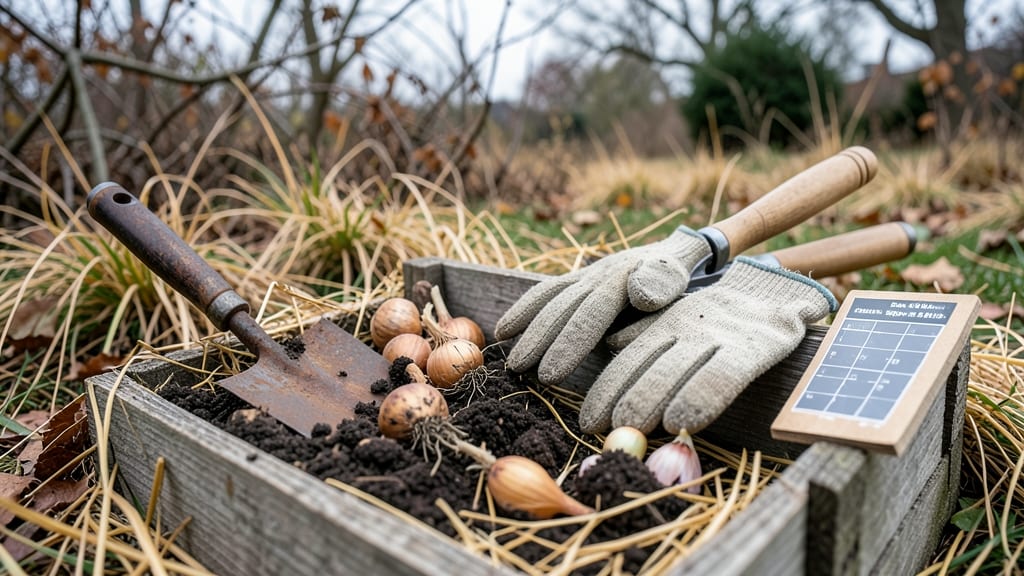
Planting bulbs in Oklahoma might seem like a guessing game—too early, and frost zaps your blooms; too late, and you miss the ideal growth window. But timing it right based on soil temperatures turns this challenge into a foolproof strategy for vibrant spring displays, even in our unpredictable climate.
With Oklahoma’s USDA Zones 6a-8a, the key is understanding when the ground cools enough for fall planting (September–November) or warms up for spring (January–February). Whether you’re planting tulips, daffodils, or native rain lilies, soil temperature is your best guide—not the calendar.
Let’s break down the exact triggers to ensure your 🌱 bulbs thrive.
Most gardeners in Oklahoma make one of three critical mistakes when planting bulbs: ignoring soil temps, rushing the process, or overcomplicating prep. The truth? With the right timing, you can skip the stress and still enjoy months of color without frost damage.
I’ll show you how to align your planting with Oklahoma’s microclimates for zero-frost survival.
From selecting the hardiest bulbs for your zone to adjusting for Oklahoma City’s chillier pockets or Tulsa’s milder stretches, this guide cuts through the confusion. You’ll learn exactly when to plant for peak blooms—and which varieties handle our winters like pros. Ready to turn your garden into a spring showcase?
Oklahoma’s ideal bulb planting timeline by soil temperature zones
Oklahoma’s USDA zones 6b–8a create a unique challenge for bulb gardeners. Unlike northern states, our winters fluctuate wildly—one freeze can turn to 60°F in weeks. The secret? Planting when soil hits 50–60°F triggers root growth before dormancy. This timing ensures bulbs establish roots but avoid early frost damage.
Fall planting (September–November) is ideal for most spring-blooming bulbs like tulips and daffodils. But Oklahoma’s microclimates (e.g., Tulsa’s cooler valleys vs. Oklahoma City’s urban heat) shift these windows by weeks.
For example, Zone 7b gardeners can plant hybrid alliums as late as early December, while Zone 8a may need to start by mid-October.
Soil temperature is your best guide. Use a soil thermometer to confirm 50°F at 4" depth—this signals it’s time to plant. For crocuses and snowdrops, wait until soil cools to 40°F to prevent rot. These thresholds vary by USDA zone, so adjust accordingly.
| USDA Zone | Fall Planting Window | Soil Temp Threshold | Best Bulbs for Zone | Spring Planting Window |
|---|---|---|---|---|
| 6b (Northern OK) | Mid-September to late October | 50–55°F | Daffodils, Tulips, Crocuses | Late January–early February |
| 7a (Central OK) | Late September–November 1 | 55–60°F | Hybrid Alliums, Rain Lilies, Fritillaria | Early February–March 1 |
| 7b (Oklahoma City) | October–November 15 | 60°F (wait longer) | Daffodils, Hyacinths, Snowdrops | Mid-February–March 15 |
| 8a (Southern OK) | November–December 1 | 60–65°F (late start) | Rain Lilies, Camassia, Hardy Cyclamen | Late February–April 1 |
| All Zones | — | 40°F (crocuses) | Crocuses, Snowdrops | January–February (early) |
For Zone 6b, aim to plant by October 15 to avoid early frosts. In Zone 8a, you can push planting to December 1 for hardy varieties like rain lilies, which thrive in Oklahoma’s clay-heavy soils.
Always plant bulbs 3x deeper than their height (e.g., 6" deep for 2" bulbs) to insulate roots.
Spring planting is a last-resort option for missed fall windows. Plant 4–6 weeks before last frost (typically March 1–15 in Oklahoma). Use well-draining soil mixes to prevent rot, and water lightly until foliage appears. Tulips planted in spring may bloom later but still thrive.
Oklahoma’s unpredictable late frosts (even in April) demand extra care. Mulch with 3–4 inches of straw after planting to regulate soil temps. For Zone 7b–8a, consider winter mulch to protect bulbs from freeze-thaw cycles. Remove mulch in early spring to allow soil to warm.
Local microclimates can shift planting by weeks. Urban areas like Oklahoma City stay warmer, while rural northern Oklahoma cools faster. Monitor local weather patterns—for example, if your area had an early October freeze, delay planting until soil warms again.
Hardy bulbs like alliums and camassia tolerate late planting better than tulips. These varieties can handle 60°F soil even in December, making them ideal for Oklahoma’s Zone 7b–8a. Always check bulb packaging for specific hardiness ratings before planting.
Test your soil’s drainage before planting. Oklahoma’s clay soils can suffocate bulbs. Amend with compost or sand to improve aeration. Plant in raised beds if your yard has poor drainage, especially in low-lying areas prone to winter waterlogging.
Remember: Bulbs need 6–8 weeks of root growth before winter. If you plant too late, they won’t bloom well—or at all. Use a soil thermometer to track temps and adjust your schedule. With these zone-specific triggers, your Oklahoma bulb
How to time bulb planting for Oklahoma’s frost patterns (avoid these 3 mistakes)
Oklahoma’s microclimates create unique challenges for bulb planting—what works in Tulsa’s Zone 7b may fail in Oklahoma City’s Zone 7a. The key lies in understanding your local frost dates and adjusting planting windows accordingly.
Most gardeners focus on calendar months, but soil temperature is the real game-changer for bulb success.
For fall-planted bulbs like tulips and daffodils, aim to plant when soil temps drop to 60°F or below. In Oklahoma, this typically falls between mid-October and November, but northern regions (like Enid) may need to plant earlier.
Spring-planted bulbs, such as rain lilies, should go in the ground 4-6 weeks before your last frost date—usually January or early February.
⚠️ callout warning
- Planting too early – Bulbs need 6-8 weeks of cool soil to root before frost. Planting in September risks rot in warm soil.
- Ignoring microclimates – Tulsa’s later frost dates mean bulbs can wait longer than Oklahoma City’s. Check your USDA zone for precision.
- Skipping soil prep – Poor drainage or compacted soil strangles roots. Always amend with compost and mulch heavily after planting.
To refine your timing, check your average first frost date (typically November 15 in Oklahoma) and plant bulbs 6-8 weeks prior. For example, if frost hits November 20, aim for mid-September planting.
Use Oklahoma Mesonet data for hyper-local adjustments—some years, frost arrives 2 weeks early, catching gardeners off guard.
Before planting, prepare your soil with a drainage test: Dig a 12-inch hole, fill it with water, and time how long it takes to drain. If water lingers beyond 4 hours, amend with sand or perlite.
After planting, apply 3-4 inches of mulch to insulate bulbs from temperature swings and retain moisture. Avoid organic mulches like grass clippings, which can mat and suffocate roots.
For spring-planted bulbs, like rain lilies or camassia, timing is equally critical. Plant in January or February to ensure roots establish before spring rains trigger growth. These bulbs thrive in Oklahoma’s clay soil but require well-draining conditions—mix in composted manure or leaf mold to improve structure.
Remember: Bulb success hinges on soil, not just timing. Test your soil’s pH (6.0-7.0 ideal) and adjust with lime or sulfur if needed. Once planted, water deeply once a week until frost sets in, then reduce to monthly watering in winter.
With these adjustments, your bulbs will bloom reliably year after year, even in Oklahoma’s unpredictable climate. 🌱