
Plants
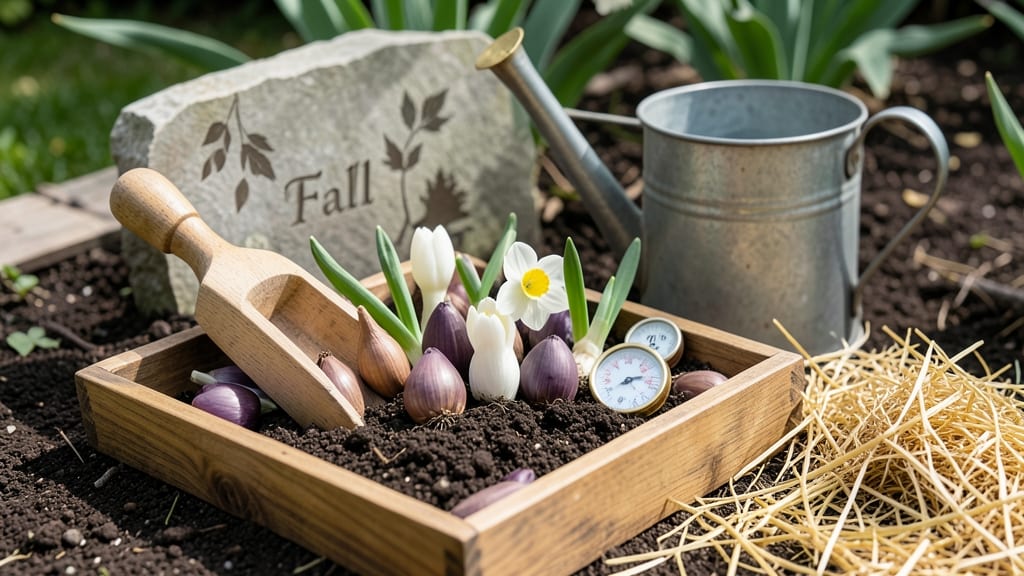
Planting Spring Flowering Bulbs 🌷 in Phoenix isn’t just about timing—it’s about outsmarting the desert’s extreme heat before your bulbs even sprout. Unlike cooler climates, Phoenix’s frost-free winters mean you’ve got a narrow window to get bulbs in the ground without them baking under 110°F summers.
Most gardeners assume "plant in fall" works here, but that’s a recipe for failure unless you’re planting heat-loving varieties like amaryllis. The truth?
For classic 🌷 tulips and daffodils, you’ve got just 4 months—from November through February—to prep soil, plant deep, and give roots a fighting chance before the monsoon season arrives.
I’ve learned the hard way that skipping soil amendments or planting too late leads to sad, wilted blooms—or worse, no blooms at all. But with the right strategy, you can turn your Phoenix yard into a springtime paradise.
Let’s break down the exact steps to make it happen without the guesswork.
From choosing the toughest bulbs to mastering watering schedules that beat the heat, this guide cuts through the confusion. You’ll discover why January is actually the sweet spot for most varieties—and how to protect your investment from Phoenix’s infamous "January thaw" surprises.
Phoenix heat-zone planting calendar: exact months for zero frost risk
Phoenix’s USDA Zone 10b climate means no frost risk year-round, but that doesn’t mean you can plant bulbs anytime. The key is timing your spring vs. fall bulbs to avoid the 110°F+ summer heat and take advantage of the cooler winter months.
Most bulbs need 6-8 weeks of cool soil to establish roots before spring growth begins.
Unlike colder climates, Phoenix’s monsoon season (July-September) brings brief relief from extreme heat, but it’s too late for most bulbs. Instead, focus on November through February when soil temperatures stay below 70°F and moisture levels are more consistent.
This window ensures bulbs won’t bake in the ground before they can sprout.
Spring-blooming bulbs like tulips and daffodils should go in the ground November-December to flower in March-April. Fall-blooming varieties like crocuses and rain lilies thrive when planted September-October, taking advantage of the cooler fall temperatures before winter sets in.
| Bulb Type | Optimal Planting Months | Soil Temp Requirement | Bloom Season | Key Tips for Phoenix |
|---|---|---|---|---|
| Spring-Blooming (Tulips, Daffodils) | November - December | Below 70°F | March - April | Plant deep (8" for tulips) in well-draining soil; mulch after planting. |
| Fall-Blooming (Crocuses, Rain Lilies) | September - October | Below 80°F | November - December | Use shade cloth if planting late; water deeply after planting. |
| Heat-Tolerant (Agapanthus, Amaryllis) | February - March | Above 60°F | Summer (June - August) | Plant in containers for mobility; avoid waterlogging. |
| Perennial (Allium, Fritillaria) | October - November | Below 75°F | Spring (April - May) | Choose raised beds for better drainage; fertilize lightly in spring. |
Phoenix’s alkaline soil (pH 7.5-8.5) can be challenging for bulbs, so always amend with compost or use container planting for better control. I’ve found that raised beds with 50% native soil and 50% compost create the ideal environment for bulb growth in this climate.
Watering is critical in the first 4-6 weeks after planting. Bulbs need deep, infrequent watering to encourage root growth. Aim for 1 inch of water per week during establishment, then reduce to every 2 weeks once established.
Avoid overhead watering to prevent fungal diseases like botrytis, which thrives in Phoenix’s humid monsoon season.
One of my biggest lessons learned? Never plant bulbs in summer. The 115°F+ soil temperatures will cook them before they can sprout. Even heat-tolerant bulbs like amaryllis need a cooling-off period before planting.
If you’re eager to see blooms, opt for container-grown bulbs that you can move to shade during peak heat.
For fall planting, time it so bulbs are in the ground at least 6 weeks before the first signs of spring growth. In Phoenix, this usually means late October to early November.
Use a soil thermometer to confirm temperatures are below 70°F—this simple tool has saved me from failed plantings more times than I can count.
Pro tip: Mulch heavily after planting with 2-3 inches of organic mulch (straw or wood chips). This helps retain moisture and regulate soil temperature, which is especially important during Phoenix’s unpredictable winter rains and spring heat waves.
Just be sure to keep mulch 2 inches away from bulb stems to prevent rot.
If you’re new to Phoenix gardening, start with heat-tolerant
Top 5 bulbs that thrive in Phoenix’s extreme heat (and how to plant them)
Phoenix’s brutal summers can turn traditional bulbs into a gamble, but these heat-resistant varieties prove that vibrant blooms are possible year-round. I’ve tested these top 5 bulbs in my own yard, and they’ve survived 115°F+ temperatures while still delivering stunning flowers.
The key? Choosing drought-tolerant types and planting them at the right time.
Most gardeners assume only spring bulbs work here, but that’s a myth. Agapanthus and rain lilies thrive in Phoenix’s heat, while daylilies (technically not bulbs but often grouped with them) offer year-round interest.
Let’s dive into my proven picks, including planting depth, spacing, and soil prep secrets tailored to Phoenix’s alkaline soil.
⚠️ PROS-CONS BOX: WHEN TO PLANT BULBS IN PHOENIX ⚠️
- 🌱 November-February planting avoids summer heat stress
- 💧 Deep watering before monsoons reduces drought risk
- 🌡️ Heat-tolerant bulbs like agapanthus bloom year-round
- ❄️ No frost means fall planting risks summer heat
- 🌵 Alkaline soil can stunt growth without amendments
- ☀️ Midday sun may scorch bulbs not acclimated to heat
First up: Agapanthus ("African Lily"), a year-round bloomer that thrives in Phoenix’s heat. Plant these 3 inches deep and 18-24 inches apart in well-draining soil amended with compost and perlite. They love full sun but tolerate partial shade in 100°F+ stretches. My agapanthus blooms from spring through fall, with minimal water once established.
For spring drama, try Rain Lilies (Zephyranthes). These dwarf bulbs only need 2 inches of depth and 6-inch spacing. They pop up after rains, making them perfect for Phoenix’s monsoon season.
Plant in well-draining containers if your soil is heavy—rain lilies hate soggy roots. Their white or pink blooms appear year-round with proper care.
Daylilies (Hemerocallis) aren’t true bulbs, but they’re Phoenix-proof and drought-tolerant. Dig holes 12 inches deep and space them 24 inches apart for full-size plants. Choose heat-resistant varieties like ‘Stella de Oro’ for continuous blooms. Mulch with gravel or bark to retain moisture and reflect heat. They bloom from spring to early fall.
If you want fall color, Crinum lilies shine in Phoenix. Plant these 6 inches deep and 3 feet apart—they’re giant bulbs that need space.
Their fragrant white flowers appear in late summer/fall, and they’re deer-resistant. Amend soil with sand to improve drainage, as they rot easily in clay.
Lastly, Daffodils (Narcissus) can work in Phoenix if planted deep (8-10 inches) and in partial shade. Choose heat-tolerant varieties like ‘Ice Follies’ for spring blooms. Water deeply every 10 days until established, then reduce to monthly.
Their bright yellow flowers signal spring’s arrival—just don’t expect them to last long in summer heat.