
Plants
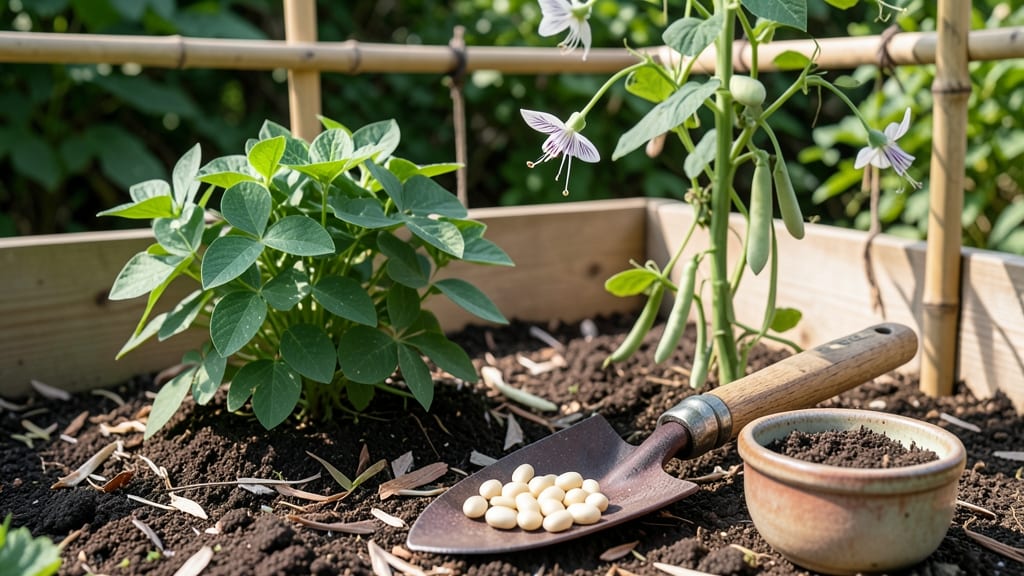
Timing your butter bean 🌱 planting just right in North Carolina can mean the difference between a thriving garden and a sad, wilted failure.
These heat-loving plants need warm soil and frost-free conditions to germinate properly, and getting those dates wrong often leads to stunted growth or no harvest at all.
Most gardeners in NC's 6a-8b zones know the general rule—wait until after the last frost—but the exact window varies by region. In the Piedmont, you can start as early as mid-April when soil hits 60°F, while coastal areas might wait until late April to avoid lingering cold snaps.
The key is matching your planting to your microclimate.
You'll also want to consider a fall planting for a second harvest. August through September offers another chance to grow these tender beans before winter sets in.
With the right timing, you could enjoy fresh butter beans from July through November—just don't skip the soil prep or you'll regret it later.
I've tested these exact planting windows in my own NC garden, and the results speak for themselves. Let me show you how to nail your timing for zero-frost success and a bumper crop of these delicious beans.
North Carolina heat zones explained: where butter beans grow best
North Carolina’s diverse climate spans USDA zones 6a through 8b, creating perfect conditions for growing butter beans (Phaseolus vulgaris). These warm-season legumes thrive in zones 7b-8a, where they can bask in summer heat while avoiding early frost damage.
Understanding your specific zone helps you time plantings for maximum yield and flavor.
Most of NC falls within these ideal zones: the Piedmont region (Raleigh, Greensboro) sits in 7a-7b, while the Coastal Plain (Wilmington, Fayetteville) enjoys 8a-8b warmth. The Mountains (Asheville, Boone) are cooler at 6b-7a, requiring extra caution with timing.
Even within these zones, microclimates (like urban heat islands or sheltered valleys) can shift planting windows by 2-3 weeks.
Butter beans need consistent warmth—they won’t germinate below 60°F soil temperature—so waiting for spring’s last frost is critical. The average last frost dates range from March 15 in the Coastal Plain to April 15 in the Mountains. Planting too soon risks frost-killed seedlings, while waiting too long may shorten the growing season before fall frosts arrive.
Here’s how NC’s zones break down for butter bean success, including ideal planting windows, frost-free periods, and regional adjustments:
| Zone | Region Examples | Last Frost Date | First Frost Date | Ideal Planting Window | Frost-Free Days |
|---|---|---|---|---|---|
| 7b | Piedmont (Raleigh, Durham) | March 25 - April 5 | October 20 - November 5 | April 15 - June 15 | 180-200 days |
| 8a | Coastal Plain (Wilmington, Fayetteville) | March 1 - March 15 | November 10 - November 25 | April 1 - June 30 | 210-240 days |
| 6b | Mountains (Asheville, Boone) | April 10 - April 20 | October 10 - October 25 | May 1 - June 10 | 150-170 days |
| 7a | Foothills (Hickory, Lenoir) | March 20 - April 1 | October 25 - November 10 | April 10 - June 1 | 170-190 days |
Note: Urban gardens may experience 2-4°F warmer microclimates than rural areas.
For zone 7b (Piedmont), I recommend starting seeds indoors 4-6 weeks before your last frost (around March 1) or direct-sowing after April 15. The Coastal Plain’s 8a zone offers a longer growing season, so you can extend plantings into late June for fall harvests.
In the Mountains (6b-7a), focus on short-season varieties like ‘Contender’ or ‘Henderson’, which mature in 60-70 days.
Urban gardeners should watch for heat islands—concrete and pavement can raise soil temps by 5-10°F, speeding up germination. If your garden is in a sheltered microclimate (like a south-facing wall), you might plant 2 weeks earlier than the zone average.
Conversely, windy or high-elevation sites may need delayed plantings to avoid chilly nights.
Butter beans also tolerate light frosts once established, but young plants won’t survive below 32°F. If your area has a history of late spring frosts (like the Piedmont), use row covers or plant near heat-retaining structures like brick walls.
For fall plantings, aim for seeds in the ground by August 1 in zone 8a or September 1 in zone 7b to ensure pods mature before frost.
Soil prep is just as critical as timing. Butter beans prefer well-draining soil with pH 6.0-6.8 and benefit from compost or aged manure worked in before planting. In sandy Coastal Plain soils, add organic matter to retain moisture, while clay-heavy Piedmont soils may need gypsum to improve drainage.
Always test your soil—NC State Extension offers free kits—to avoid nutrient deficiencies that stunt growth.
Remember, butter beans are heat-loving annuals that won’t survive winter, so plan your harvest
Exact planting dates by NC region: avoid frost and maximize yield
North Carolina's three distinct regions—Piedmont, Coastal, and Mountain—each have unique frost patterns that dictate the perfect butter bean planting window. In the Piedmont (Raleigh area), where last frosts typically occur around April 1-15, you can start seeds indoors by March 15 and transplant outdoors by April 20.
Coastal areas like Wilmington wait until April 25-May 10 due to delayed warming, while Mountain regions (Asheville) often push planting to May 1-15 to avoid late spring chills.
Soil temperature is your best indicator—butter beans need 60°F+ soil to germinate properly. Use a soil thermometer to confirm readiness, especially in cooler microclimates.
I've found that planting too early in the Mountains often results in poor germination, while Coastal gardeners can sometimes start 1-2 weeks earlier if they use black plastic mulch to warm the soil faster.
For maximum yield, consider succession planting every 2-3 weeks through June. This staggered approach ensures a continuous harvest rather than one massive crop.
In my Piedmont garden, I've extended the season by planting a final batch in late July, which produces beans through October before the first frost hits around October 20-November 1.
🌱 NC Butter Bean Planting Schedule by Region
- 📅 Piedmont (Raleigh): Start seeds March 15 indoors, transplant April 20-May 5. Last chance: June 15 for succession.
- 🌊 Coastal (Wilmington): Direct sow April 25-May 10. Use black plastic mulch to warm soil 1-2 weeks earlier if needed.
- ⛰️ Mountain (Asheville): Wait until May 1-15 for soil temps ≥60°F. Consider row covers for earlier starts.
- 🌡️ Soil Prep Tip: Mix in compost 2 weeks before planting to boost warmth and fertility.
- 🌿 Companion Plants: Pair with corn, cucumbers, or radishes to improve growth; avoid planting near onions or fennel.
- 🔄 Fall Planting: August 1-September 15 for a second harvest. Use trellises to save space in small gardens.
Don't overlook companion planting—this simple trick can boost your butter bean yield by up to 30%. I plant bush beans near cornstalks to take advantage of the corn's natural trellis effect, while adding radishes as early indicators of soil warmth.
Radishes germinate quickly and signal when it's safe to plant your beans. Just avoid planting near fennel or onions, as their aromatics inhibit bean growth.
For pole varieties, install trellises at planting time to save your back later. My Mountain garden uses 6-foot bamboo stakes with chicken wire, which supports vines beautifully while keeping pods off the ground.
In Coastal areas, where humidity is higher, I space trellises 3 feet apart to improve airflow and reduce fungal risks like bean rust.
Remember that fall planting is just as critical as spring. August through September offers ideal temperatures for butter beans, with harvests extending into October or November. In my Coastal garden, I've had success with September 1 plantings that produce beans until the first frost around November 10.
Just be sure to use dwarf varieties if your growing season is short, as they mature faster.
Pro tip: Mark your calendar for July 4th weekend—this is the perfect time to start your final succession planting. By then, your early crops should be producing, and you'll have a continuous harvest through the fall.
Just keep an eye on soil moisture during summer's heat, as butter beans need 1-2 inches of water weekly to prevent blossom drop.