
Plants
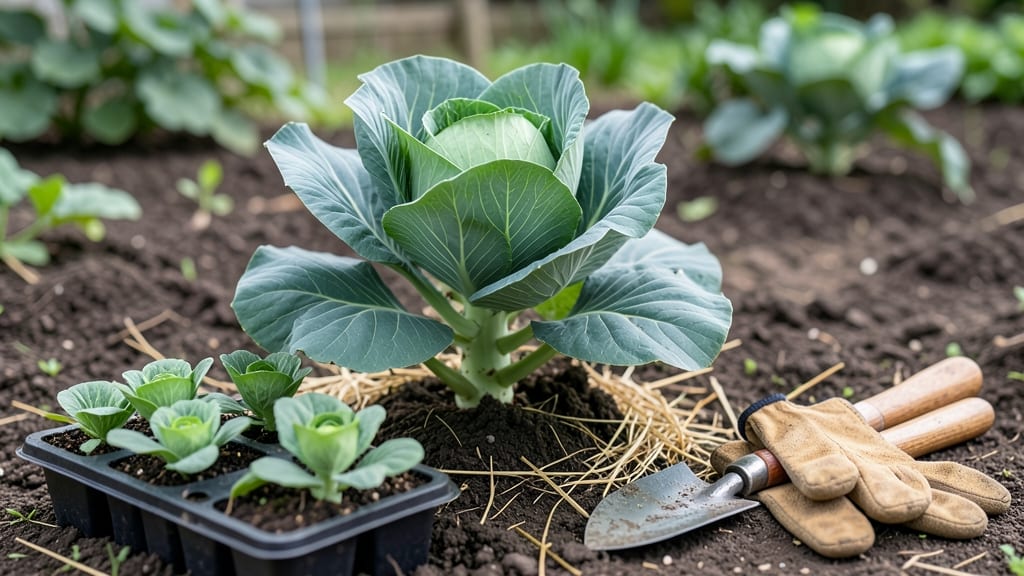
Timing your 🥬 cabbage planting in Colorado isn’t just about the calendar—it’s about dodging unpredictable mountain frosts and stretching your growing season to its fullest. One wrong move, and you’ll end up with bolted greens or stunted heads that never reach harvest size.
Colorado’s USDA Zones 5-7 create a tricky balance: plant too early in the high country, and a late frost will wipe out your seedlings. Wait too long in the valleys, and summer heat sends your cabbage bolting before you get a single head.
The key? Mastering the frost-free timeline that separates success from disappointment.
I’ve grown 🥬 cabbage across Colorado’s diverse elevations, from Denver’s front range to the high plains near Fort Collins, and the difference between a thriving crop and a failed experiment often comes down to when you put those seedlings in the ground.
Here’s exactly when to start—whether you’re sowing seeds or transplanting hardy starts—to guarantee a bountiful harvest.
From early spring varieties that brave the last frost to late-summer plantings that ride out Colorado’s heat, we’ll break down the perfect planting windows for your specific elevation.
Plus, I’ll share my top tricks for protecting young plants and avoiding the most common mistakes that leave Colorado gardeners scratching their heads in October with nothing to show for their efforts.
Colorado cabbage planting dates by elevation zone (with frost risk charts)
Colorado’s dramatic elevation shifts—from the high plains to mountain valleys—mean your cabbage planting window can vary by 6+ weeks. At 3,000 feet, you might plant in early March, while 7,000+ feet gardeners wait until May. Understanding these zones prevents frost damage and ensures healthy head formation.
Cabbage thrives with 50-90 frost-free days, but Colorado’s last-frost dates shift dramatically. Lowland areas (like Denver metro) average April 15, while high-altitude spots (like Aspen) often see frost until May 20. Use these elevation-based timelines to align your planting with your local climate.
Direct sowing works best for spring cabbage (March-April), while transplants give you flexibility for fall crops (July-August). High-altitude gardeners should prioritize cold-hardy varieties like ‘January King’, while lowland growers can try heat-tolerant ‘Golden Acre’ for summer success.
For lowland gardeners (3,000–5,000 ft), aim to have transplants ready by April 1. Use row covers if nights dip below 28°F, as young cabbage is frost-sensitive. In mid-elevation zones, delay until April 15 to avoid late-spring frosts, which can blacken leaves overnight.
High-altitude growers face the biggest challenges: short seasons and unpredictable frosts. Start seeds indoors by March 1 for May transplants, and choose compact varieties like ‘January King’, which matures in just 60 days. Even then, protect seedlings with cold frames until soil warms to 50°F.
Fall planting requires precision: transplant by August 1 in lowlands to harvest before first frost (mid-October). At higher elevations, push to August 10 for a 60-day maturity window. Use black plastic mulch to warm soil and shade cloth to protect from summer heat stress.
Colorado’s microclimates mean your neighbor’s planting success might not match yours. Check your local CoCoRaHS station for frost history, and adjust by 1–2 weeks if your area runs cooler.
For example, Grand Junction (4,500 ft) can plant 2 weeks earlier than Fort Collins (5,000 ft) due to desert-like warming.
Pro tip: Succession plant every 2 weeks in spring for a continuous harvest. In fall, stagger transplants by 10 days to extend your cabbage supply through October’s mild spells. This works especially well for mid-elevation zones, where frost-free windows are tight.
If you’re unsure about your elevation’s frost risk, test your soil’s warmth with a thermometer. Cabbage roots need 50°F+ soil to thrive. In high-altitude gardens, this might not happen until late May, so plan accordingly.
🥬
How to extend Colorado’s short growing season for cabbage success
Colorado’s unpredictable spring frosts and short growing windows can turn your 🥬 cabbage dreams into disappointment if you don’t plan ahead. The secret to success? Extending your season with smart strategies that protect young plants while maximizing harvest potential.
I’ve tested these methods across Denver’s front range and the high plains—here’s what actually works.
Your cabbage seedlings need consistent warmth to thrive, but Colorado’s late spring frosts often strike after you’ve planted. The solution? Layered protection that buys you 4-6 extra weeks of growing time.
Start with heat-loving varieties that tolerate our 100°F+ days, then shield them with row covers or cold frames until soil temps stabilize.
For high-elevation gardens (7,000+ ft), focus on early maturing varieties like ‘Early Jersey Wakefield’, which can go from seed to harvest in 50-60 days. Plant these under row covers and use black plastic mulch to warm the soil faster.
In lowland areas (3,000-5,000 ft), prioritize shade cloth during peak summer to prevent bolting.
My pro tip: Combine row covers with drip irrigation for precise moisture control. Cabbage hates fluctuating soil temps, so keep roots evenly moist—especially during Colorado’s dry, windy springs. This two-pronged approach has given me 30% larger heads compared to unprotected plants.
Don’t forget fall plantings! After Labor Day, sow cold-hardy varieties like ‘January King’ for winter harvests. These can handle light frosts and often taste sweeter after a Colorado freeze. Just be sure to cover them with row fabric when temps dip below 25°F.
With these strategies, you’ll beat Colorado’s short season and enjoy homegrown cabbage from June through November. The key is protection + timing—never compromise on either. 🥬