
Plants
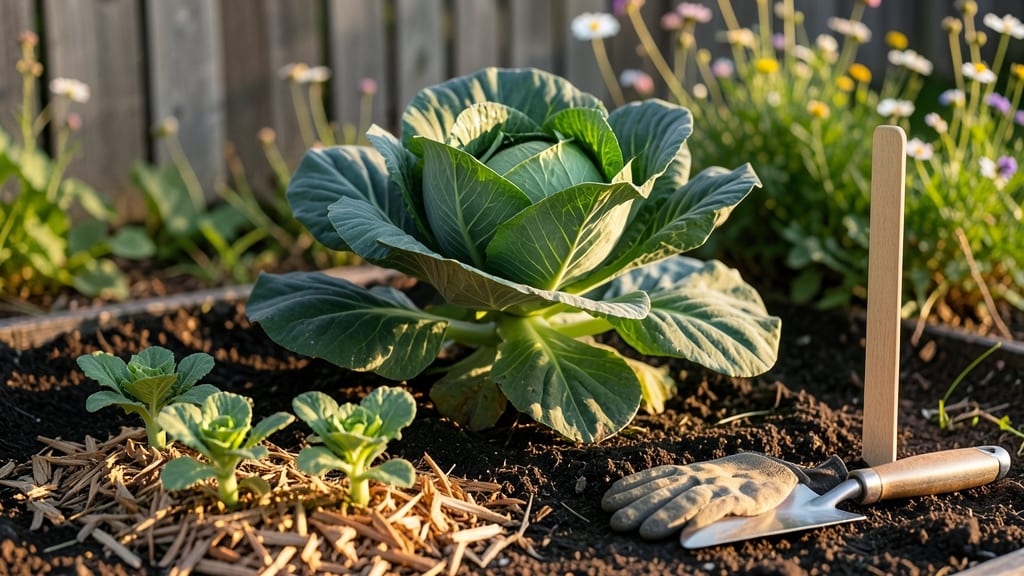
Timing your cabbage planting in Utah wrong could mean watching your 🥬 bolt into bitter greens before forming heads—but get it right, and you’ll enjoy crisp, homegrown harvests all season long.
Utah’s dramatic temperature swings—from freezing spring nights in Cache Valley to scorching summer afternoons in St. George—make cabbage a tricky crop to master.
The key lies in planting 4-6 weeks before your last frost (typically mid-April in most zones) and again in late summer for a fall harvest, but those windows shift dramatically depending on elevation.
Whether you’re in the Wasatch Front’s USDA Zone 6 or southern Utah’s Zone 7b, I’ll break down the exact frost-free timelines you need to avoid common pitfalls like heat stress or premature bolting.
Plus, I’ll share Utah-specific tricks—like using row covers for early starts or shade cloth to protect plants when temperatures spike.
Ready to grow cabbage that thrives in Utah’s climate? Let’s dive into the planting schedule that’ll give you the harvest you’re dreaming of.
Utah County-specific cabbage planting dates by frost Zone
Utah’s diverse climate—from the high desert of St. George (Zone 9) to the alpine valleys of Park City (Zone 5)—creates wildly different cabbage planting windows. The key is aligning your schedule with local frost dates and elevation adjustments.
In Salt Lake County, for example, you’ll plant 4-6 weeks before the average last frost (April 15), while in Washington County, summer heat means fall planting is your only viable option.
Cabbage thrives in cool weather (50–75°F), so timing is critical. High-elevation areas like Cache Valley (Zone 6) can start seeds indoors as early as February 15, while low-desert zones like Iron County (Zone 8) must plant in late August to avoid bolting.
Let’s break down the exact windows for Utah’s 5 key frost zones, including county-specific examples.
| Zone | County Examples | Spring Planting Window | Fall Planting Window | Key Adjustments |
|---|---|---|---|---|
| Zone 3 (High Elevation) | Park City, Logan | March 1 – April 15 | August 1 – September 1 | Start indoors Feb 15; use row covers |
| Zone 5 (Northern Utah) | Cache Valley, Ogden | March 15 – April 10 | July 30 – August 15 | Transplant after May 1; watch for late frosts |
| Zone 6 (Wasatch Front) | Salt Lake, Provo, Orem | March 20 – April 5 | August 1 – August 15 | Direct sow after April 15; mulch for heat |
| Zone 7 (Southern Utah) | Davis, Utah, Weber | March 25 – April 10 | July 20 – August 10 | Fall planting critical; use shade cloth |
| Zone 9 (Southwest Utah) | St. George, Washington | N/A (too hot) | August 15 – September 15 | Only fall planting; irrigate heavily |
In Zone 6 (Wasatch Front), where most Utah County gardeners live, aim to plant cabbage seeds indoors by March 1 or direct-sow after the average last frost (April 15).
For fall harvests, start seeds indoors in July and transplant by August 1. This timing ensures heads mature before first frost (October 15).
High-elevation areas like Park City (Zone 3) can push planting even earlier. Start seeds indoors by February 15 for a May transplant, using row covers to protect young plants from late frosts. The shorter growing season here means prioritizing fast-maturing varieties like ‘Early Jersey Wakefield’ (58 days).
Conversely, Zone 9 (St. George) is all about fall planting. Skip spring entirely—heat will cause cabbage to bolt prematurely. Instead, sow seeds in late August for a harvest before winter chill. Use drip irrigation to keep soil consistently moist, as desert heat dries out roots quickly.
For Utah County gardeners, the Wasatch Front’s Zone 6 offers flexibility. You can try an early spring planting (March 20) for a June harvest or a late summer planting (August 1) for a fall feast.
The trick? Monitor soil temperatures—cabbage seeds need 40–50°F to germinate, so wait until the ground warms in spring.
Pro tip: Use a
How to extend Utah’s cabbage growing season with smart techniques
Utah’s short growing season can feel like a race against time for cabbage lovers—but with the right strategies, you can push your harvest windows and enjoy fresh heads from spring through fall.
The key is using season-extending tools like row covers and shade cloth to protect delicate plants from Utah’s unpredictable weather swings.
For spring plantings, row covers let you start seeds 2-3 weeks earlier than your last frost date, while shade cloth (30-50% shade) keeps summer heat from stressing mature plants.
Fall plantings benefit from both techniques too, giving you a second harvest when temperatures drop. Let’s explore how to maximize your cabbage’s time in the ground.
Here’s a quick comparison of the two most effective methods for extending Utah’s cabbage season:
🌱 Extending Cabbage Season in Utah
Row Covers for Early Starts
- ✅ Starts seeds 2-3 weeks earlier
- ✅ Protects from late frosts and wind
- ✅ Lightweight, reusable for multiple seasons
- ❌ Requires sturdy hoops for support
- ❌ Can trap too much heat on sunny days
Shade Cloth for Summer Heat
- ✅ Blocks 30-50% sunlight to prevent bolting
- ✅ Keeps soil cooler by 10-15°F
- ✅ Works for mature plants in summer
- ❌ Needs proper ventilation to avoid rot
- ❌ Can reduce sunlight too much if overused
💡 Pro Tip: Combine both methods! Use row covers in early spring and switch to shade cloth when temps rise above 85°F.
When selecting cabbage varieties for Utah’s climate, prioritize cold-hardy types that tolerate temperature fluctuations. ‘Golden Acre’ is a top choice—it matures in just 55-60 days and handles Utah’s cooler springs better than heat-sensitive varieties like ‘Red Express’.
For fall plantings, opt for late-maturing types like ‘January King’ to avoid bolting before frost.
Succession planting is another game-changer. Instead of one big spring planting, sow small batches every 2 weeks starting 4-6 weeks before your last frost date. This ensures a steady supply of fresh cabbage and reduces the risk of losing your entire crop to unexpected cold snaps or heatwaves.
In Utah’s shorter growing zones (like Cache Valley), this method can extend your harvest by 3-4 weeks compared to a single planting.
Don’t forget about soil preparation—Utah’s alkaline soils often need amendments. Mix in compost and sulfur to lower pH slightly (aim for 6.0-6.8), and mulch heavily with straw to retain moisture during Utah’s dry spells.
With these techniques, you’ll turn Utah’s challenges into opportunities for a longer, more productive cabbage season.