
Plants
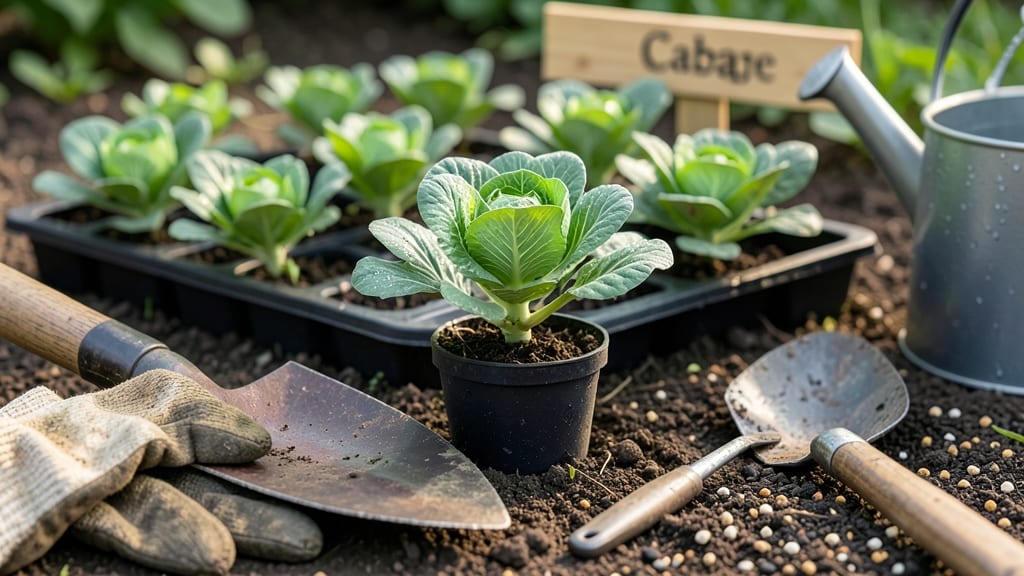
Planting 🥬 cabbage in Michigan at the wrong time means watching your hard work bolt or rot—no matter how much you love that first crisp bite.
The key isn’t just knowing when to plant; it’s matching your variety to Michigan’s 5b-6b zones and unpredictable frost dates that can shift from mid-April to May 15 depending on the year.
I’ve learned the hard way that timing isn’t one-size-fits-all. Spring cabbage thrives when soil hits 40°F and stays there, while fall crops need to avoid heat stress by hitting the ground by early August.
Whether you’re starting seeds indoors or transplanting seedlings, getting this right means the difference between a July harvest of perfect heads and a sad, stunted mess.
Here’s what I’ll show you: how to calculate your exact frost dates using Michigan’s climate quirks, which cabbage varieties play nice with our short seasons, and how to stretch your harvest with succession planting. No more guessing—just data-backed timing for the best-tasting 🥬 your garden’s ever seen.
Let’s dive into the exact windows, tools, and tricks to turn Michigan’s fickle weather into your cabbage-growing advantage. Your future crisp, fresh heads are waiting.
Michigan cabbage planting timeline by frost dates and seedling stages
Cabbage thrives in Michigan’s cool-season climate, but planting too early or late risks bolting or frost damage. The key is timing your seedlings or direct sowing to align with your region’s last frost date (typically April 15–May 15) and first frost (usually August 15–September 15).
For USDA zones 5b–6b, this means two main planting windows: spring and fall.
Most Michigan gardeners start with transplants purchased from nurseries, but direct sowing is also viable if you account for slower germination in cooler soils. Heat-tolerant varieties like ‘Golden Acre’ or ‘Cavalo’ extend your fall harvest window, while fast-maturing types (e.g., ‘Early Jersey Wakefield’) work for late spring plantings.
Let’s break down the exact planting timeline to avoid common mistakes.
| Planting Window | Stage | Action | Notes |
|---|---|---|---|
| Spring | Indoor Seed Start | 6–8 weeks before last frost (early March) | Use grow lights; keep soil 65–75°F. |
| Spring | Transplant Outdoors | 2–3 weeks before last frost (early April) | Hardened-off seedlings; space 18–24" apart. |
| Spring | Direct Sow | 2–4 weeks before last frost (late April) | Soil temp must be 40°F+; slower germination. |
| Fall | Indoor Seed Start | 8–10 weeks before first frost (late June) | Choose heat-tolerant varieties. |
| Fall | Transplant Outdoors | 6–8 weeks before first frost (early August) | Use row covers for frost protection. |
| Fall | Direct Sow | 10–12 weeks before first frost (mid-July) | Avoid planting too late; needs 60+ days to mature. |
⏰ Pro Tip: Adjust dates based on your specific last frost date (check NOAA’s frost calculator).
For spring planting, I recommend starting seeds indoors in early March if you’re using transplants. This gives you hardened-off seedlings ready for the garden by early April, just as soil temperatures warm.
If you’re direct sowing, wait until late April when soil temps reach at least 40°F—cabbage seeds won’t germinate in cold soil, and you’ll waste your time.
Michigan’s fall cabbage is often overlooked, but it’s a game-changer for late harvests. Start seeds indoors in late June for transplants ready by early August. This timing ensures heads mature before first frost (usually mid-October in most regions).
For direct sowing, plant in mid-July—but only if you’re growing fast-maturing varieties (e.g., ‘Early Drumhead’, which matures in 50–60 days).
One of my biggest mistakes was planting slow-maturing cabbage (like ‘Hubbard’) too late in the spring. By June, the heat caused the plants to bolt, and I lost my entire crop.
Now, I stick to early varieties for spring and heat-tolerant types for fall. For example, ‘Golden Acre’ handles summer heat better than most and still produces tight heads by October.
If you’re in northern Michigan (e.g., USDA zone 5b), your growing season is shorter, so focus on fast-maturing varieties (e.g., ‘Bonanza’, ‘Golden Ball’) and prioritize spring plantings.
In southern Michigan (e.g., zone 6b), you can extend your season with fall plantings and even try a second spring crop of early varieties in March under row covers.
Don’t forget about succession planting! Instead of planting all your cabbage at once, stagger transplants every 2–3 weeks from April to June for a continuous harvest. This works especially well for small gardens where space is limited.
For example, plant one batch in early April, another in mid-April, and a final batch in late May—
How to adjust cabbage planting for Michigan’s unpredictable weather patterns
Michigan’s weather can throw a curveball—one year you’re planting in early April, and the next, a late frost hits in May. I’ve learned that rigid planting dates won’t cut it; you need a flexible strategy.
The key is using NOAA’s frost calculator (or local gardening forums like the Michigan State University Extension) to pinpoint your exact frost dates.
For example, in Detroit (zone 6b), last frost averages May 5, while in Traverse City (zone 5b), it’s often May 15—a full two weeks apart.
Even with precise dates, Michigan’s heatwaves or unseasonable cold can derail your plans. That’s why I rely on three tools: row covers for early/late plantings, shade cloth during summer heat, and succession planting to spread risk.
For instance, if a June cold snap threatens your spring cabbage, a lightweight row cover can protect seedlings while still allowing sunlight. Similarly, in July heat, 30% shade cloth prevents bolting in heat-sensitive varieties like ‘Red Express’.
Here’s my step-by-step adjustment plan for Michigan’s variability, whether you’re dealing with a late spring, early frost, or summer heatwave:
⚠️ Michigan’s Frost Date Reality Check
Don’t rely on average frost dates—they’re just guidelines. Use these NOAA tools to get your localized data:
- 🌡️ NOAA Frost Calculator: https://www.almanac.com/frost-date (enter your ZIP code)
- 📊 MSU Extension: Check Michigan State’s frost maps for regional variations
- 🗣️ Local Forums: Post on GardenWeb’s Michigan forum—veteran gardeners there share real-time adjustments based on their frost experiences
Pro Tip: If NOAA shows your last frost is May 20, plant transplants 2–3 weeks earlier (April 30)—but have row covers ready for late frosts.
For late springs (like 2013’s May 20 frost in southern Michigan), I shift my entire schedule. Instead of planting transplants in early April, I wait until mid-May and use row covers for the first two weeks.
This delayed approach works surprisingly well—my ‘Golden Acre’ cabbage still matured by July without bolting. The trade-off? Smaller heads, but a reliable harvest instead of total loss.
When heatwaves hit in June or July, I turn to shade cloth and succession planting. For example, if temperatures hit 90°F+, I drape 30–50% shade cloth over my cabbage beds for 2–3 weeks.
This prevents bolting in varieties like ‘Cavalo’, which I grow for fall harvests. Meanwhile, I plant a second batch of fast-maturing ‘Early Drumhead’ in early July to replace any heat-damaged plants.
One of my favorite tricks for early frosts is succession planting with row covers. Instead of one big planting in April, I plant three batches: one in early April (with row covers), another in mid-April, and a final one in late April.
This way, if a late frost hits, I still have two healthy batches to harvest. For fall plantings, I use black plastic mulch to warm the soil early, then add row covers in September to extend the season.
Remember, Michigan’s microclimates matter. A garden in Ann Arbor might be 5°F warmer than one in Houghton—so adjust your timing accordingly. By combining NOAA data, protective covers, and succession planting, you can turn Michigan’s unpredictable weather into your cabbage-growing advantage.
Your July and October harvests will thank you!