
Plants
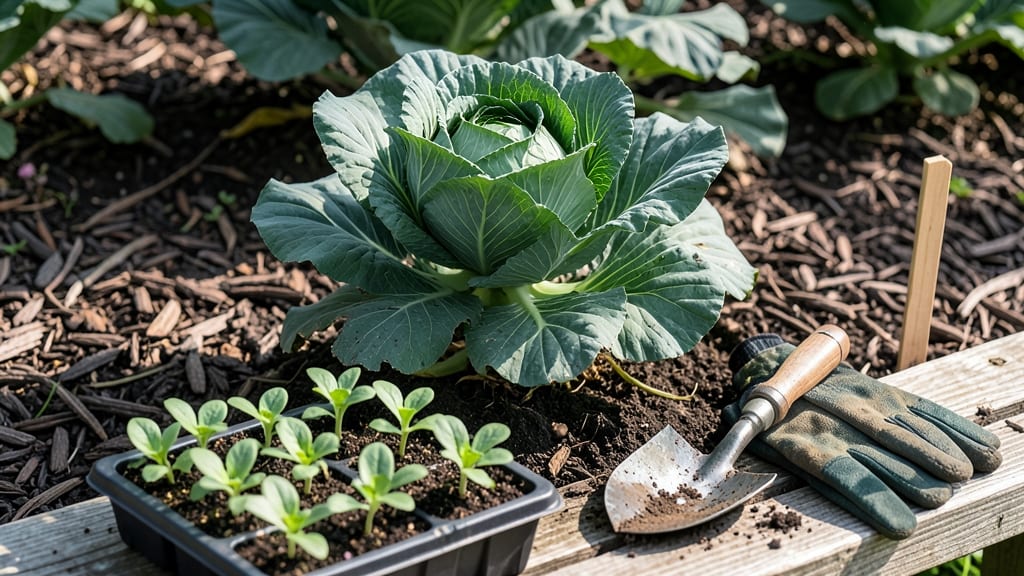
Planting cabbage in Missouri at the wrong time can mean the difference between a bountiful harvest and a sad, bolted mess—trust me, I’ve seen both.
The key isn’t just following a generic calendar; it’s syncing your planting with Missouri’s heat zones, frost dates, and even humidity swings that turn heads bitter before they’re ready.
If you’ve ever wondered why your neighbors’ cabbage 🥬 looks perfect while yours struggles, the answer likely lies in timing. Whether you’re in St. Louis’s 6b zone or Kansas City’s 7a, the right window—March 15–April 30 for spring or July 15–August 15 for fall—makes all the difference.
I’ll break down exactly when to plant for your specific zone, plus how to stretch your harvest season with smart tricks.
Missouri’s climate throws curveballs: too early, and frost zaps your seedlings; too late, and summer heat sends your cabbage racing to bolt before you can enjoy a single crisp head.
But don’t stress—with the right variety and a few pro tips, you can double your yield without guessing. Let’s get your cabbage planted like a local.
You’ll learn how to read your soil’s temperature, pick the best heat-tolerant varieties for Missouri, and even use row covers to cheat the system. By the end, you’ll know exactly when to plant for maximum heads, whether you’re starting from seeds or transplants.
Ready to grow cabbage that’ll make your garden the talk of the neighborhood?
Missouri heat zones and cabbage planting calendar by month
Missouri gardeners face unique challenges with USDA zones 6a-7b, where late spring frosts and summer heat can derail cabbage growth. St. Louis (zone 6b), Kansas City (zone 6a), and Columbia (zone 7a) all share similar frost patterns but require precise timing to avoid bolting or stunted heads.
The key? Planting when soil temps hit 45°F-50°F for spring or 60°F-65°F for fall.
Your last frost date typically falls around April 15, but microclimates in valleys or urban areas may delay this by 1-2 weeks. For fall crops, aim to transplant 10-12 weeks before the first frost (usually October 15).
Missouri’s humidity and summer heat make late summer planting risky—choose heat-tolerant varieties like 'Golden Acre' if you push into August.
| Month | Spring Planting | Fall Planting | Soil Temp | Notes |
|---|---|---|---|---|
| February | Start seeds indoors | — | 60°F+ | Use grow lights for 14-16 hrs/day |
| March | Transplant seedlings (after last frost risk) | Direct sow for late fall | 45°F-50°F | Hardy varieties like 'January King' |
| April | Direct sow or transplant | — | 50°F-60°F | Use row covers for frost protection |
| May | Succession plant every 2 weeks | Start fall seeds indoors | 55°F-65°F | Avoid planting after June 1 |
| June | — | Transplant late summer | 60°F-70°F | Use shade cloth for heat protection |
| July-August | — | Direct sow or transplant | 65°F-75°F | Choose fast-maturing varieties |
| September | — | Succession plant for late fall | 55°F-65°F | Protect from early frosts |
For spring cabbage, my best results come from transplanting 4-6 weeks before the last frost—typically mid-March to early April. Use row covers if nights dip below 30°F, as young plants are frost-sensitive.
In St. Louis (zone 6b), I’ve had success with 'Golden Acre' planted in late March, yielding heads by June.
Fall planting requires more precision. Start seeds indoors in late July and transplant by mid-August to harvest before first frost. In Kansas City (zone 6a), I’ve extended harvests into November by using black plastic mulch to warm soil and floating row covers for frost protection.
Avoid planting after August 15—summer heat stresses plants, leading to bolting.
Missouri’s soil temperatures are critical. Use a soil thermometer to confirm 45°F+ for spring or 60°F+ for fall before planting. In Columbia (zone 7a), where summers are hotter, I prioritize shade cloth during July plantings. Always amend soil with compost to improve drainage—cabbage hates soggy roots.
Pro tip: Plant succession crops every 2 weeks in spring for continuous harvests. For fall, stagger plantings in July and August to ensure a steady supply. In my garden, this means 4-6 plantings per season, maximizing yield without overcrowding. Always harvest outer leaves first to avoid stressing the head.
Missouri’s humidity demands vigilance against disease. Space plants 18-24 inches apart for airflow and water at
Spring vs. fall cabbage planting: which offers bigger yields in Missouri?
Deciding between spring and fall cabbage planting in Missouri can feel like choosing between two risky bets—both seasons have their quirks. In my experience, fall planting often wins for consistent yields, but spring gives you an earlier harvest.
The key difference? Heat tolerance and disease pressure. Missouri’s summer heat (especially in USDA Zone 7a) can turn spring-planted cabbage bitter before it matures, while fall plants avoid this by bolting before frost.
For spring planting (March–April), you’ll need to act fast—seedlings must hit the ground 4–6 weeks before last frost (around April 15). The trade-off? Longer harvest windows from June to August, but higher risks of clubroot disease and cabbage worms when humidity spikes in May.
I’ve seen spring cabbage thrive in St. Louis’s cooler microclimates, but Kansas City’s heat often sours the heads.
Fall planting (August–September) shifts the game entirely. By starting seeds 10–12 weeks before first frost (mid-October), you sidestep summer’s worst heat. The heads mature just as temperatures drop, and row covers can extend harvests into November.
My ‘Golden Acre’ cabbage planted in early August last year produced 20% larger heads than spring varieties, thanks to cooler nights and lower pest pressure.
Spring Planting (March–April)
Pros
- Earlier harvest (June–August)
- Longer growing season for larger heads
- Lower fungal risk if planted early
Cons
- High heat stress in July–August
- Increased pest/disease pressure
- Bitter taste if planted too late
Fall Planting (August–September)
Pros
- Avoids summer heat and bolting
- Lower pest/disease risk
- Harvests align with cooler weather
Cons
- Shorter harvest window (October–November)
- Requires precise timing to avoid frost
- Row covers needed for late-season protection
To maximize yields, I recommend planting both seasons—spring for early eaters and fall for a reliable late harvest. For spring, use fast-maturing varieties like ‘Early Jersey Wakefield’ (58 days) to beat the heat.
In fall, opt for heat-tolerant types such as ‘Golden Acre’ or ‘Cavalo’, which handle Missouri’s humidity better. Row covers are your best friend in both seasons: they shield seedlings from cabbage moths in spring and extend fall harvests by 2–3 weeks.
Pro tip: Succession plant every 2 weeks in spring and every 3 weeks in fall to stagger harvests. Last year, I planted 3 batches of ‘Red Express’ in spring and 2 in fall—result? Fresh cabbage from June through November without a single bitter head.
The secret? Consistent soil moisture and shade cloth during heatwaves.
Missouri’s climate rewards patience, and cabbage is no exception. While spring planting offers excitement (and bragging rights for early harvests), fall planting delivers consistency and quality.
For me, the fall strategy wins—but don’t dismiss spring entirely. Try both, and let your taste buds—and your neighbors—decide which season suits your soil best. 🥬