
Plants
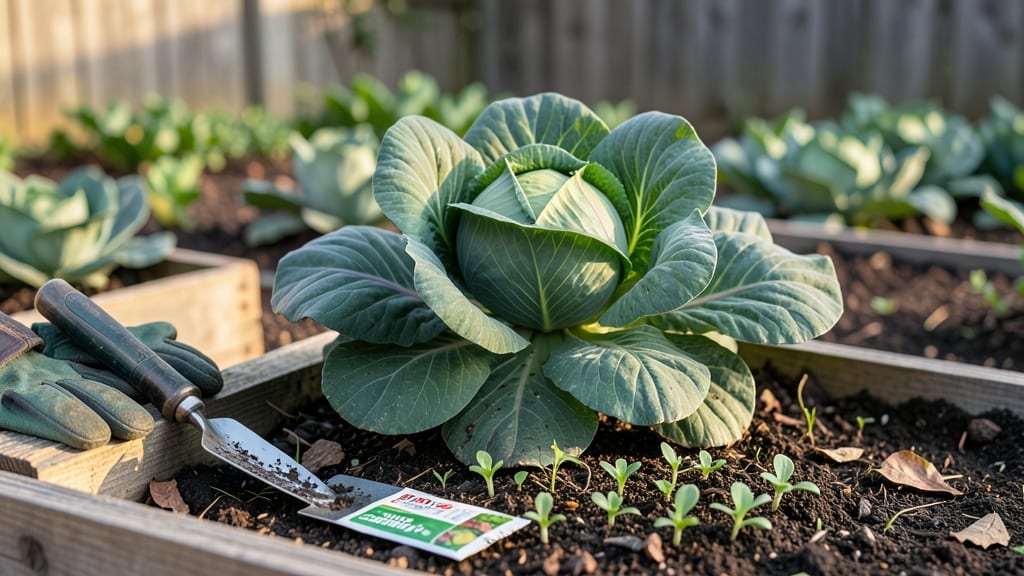
Planting cabbage in Alabama isn’t just about timing—it’s about outsmarting the heat before it ruins your harvest. The wrong window means bolting, and suddenly your crisp, flavorful heads turn bitter and flower too soon.
With Alabama’s long, hot summers, knowing the exact months to plant can mean the difference between a thriving garden and wasted effort.
Most gardeners here focus on spring, but the real secret lies in late summer starts for fall harvests. By planting 4–6 weeks before your first frost—typically around mid-September—you’ll beat the heat while still enjoying fresh cabbage through October.
The key? Starting seeds indoors in early spring or choosing fast-maturing varieties that tolerate Alabama’s sweltering conditions.
If you’ve ever watched your cabbage bolt before reaching maturity, you know how frustrating it can be. The solution isn’t guesswork—it’s a precise heat-zone timeline that accounts for Alabama’s climate quirks.
I’ll walk you through the exact steps to avoid that common mistake and ensure your 🌱 cabbage thrives from seed to harvest.
Ready to grow cabbage that’s crisp, flavorful, and bolting-free? Let’s break down the best planting windows, soil prep, and climate hacks tailored just for Alabama’s growing season.
Alabama cabbage planting zones: when to start seeds indoors vs. direct sowing outdoors
Alabama’s USDA Hardiness Zones 7-8 create a unique challenge for growing cabbage—the heat can trigger bolting (premature flowering) if planted at the wrong time. Unlike northern states, we have two distinct planting windows: early spring for summer harvests and late summer for fall/winter crops.
Getting the timing right means avoiding those 90°F+ days that turn your cabbage into bitter, seed-filled disappointment.
Most gardeners in Alabama make one of two mistakes: starting seeds too early indoors (leading to leggy, weak seedlings) or planting outdoors during peak summer heat (which causes bolting within weeks). The solution?
A heat-zone timeline that accounts for both microclimates (urban vs. rural) and soil temperature thresholds. Let’s break it down by method so you can choose what works best for your garden.
| Method | When to Start Seeds Indoors | Transplant Outdoors | Harvest Window | Key Considerations |
|---|---|---|---|---|
| Indoor Start | February–March | Late August–September | October–December | Use grow lights for 14–16 hours/day; harden off seedlings for 7–10 days before transplanting. |
| Direct Sow | N/A (plant seeds outdoors) | September 1–15 | November–January | Sow seeds ½ inch deep in cool soil (50–60°F); use shade cloth if temps exceed 85°F. |
| Urban Microclimate | March 1–15 (delayed by 2 weeks) | Late September (earlier than rural) | October–December | Paved surfaces retain heat; opt for container gardening with drip irrigation to manage soil temps. |
| Rural Microclimate | February 15–March 1 | September 15–30 | October–January | Cooler nights slow bolting; mulch with straw to maintain 55–65°F soil temps. |
For indoor seed starts, begin 4–6 weeks before your last frost date—typically February 1–March 15 in Alabama. Use seedling trays with a heat mat to maintain 65–75°F soil temps, which speeds up germination.
If you’re in a warmer microclimate (like Birmingham or urban Mobile), delay starts until March 1–15 to avoid weak, elongated seedlings that struggle post-transplant.
Transplant seedlings outdoors 4–6 weeks before your first fall frost, which in Alabama ranges from mid-September in north Alabama to late September in southern zones. This timing ensures your cabbage has 60–75 days of cool weather (below 80°F) to mature before winter sets in.
Use row covers or lightweight shade cloth if temps dip below 40°F at night.
If you prefer direct sowing, skip the indoor phase and plant seeds ½ inch deep in well-draining soil when daytime temps drop below 85°F. Aim for September 1–15—this gives you a fall harvest before winter slows growth.
Direct-sown cabbage often matures faster because it avoids the transplant shock that indoor starts sometimes experience.
One critical mistake Alabama gardeners make is planting cabbage in early spring (March–April). While this works in cooler climates, Alabama’s soil temps can exceed 70°F by April, triggering bolting within 3–4 weeks.
Instead, save early spring for cool-season crops like lettuce or spinach that tolerate slightly warmer soil.
For urban gardens, where pavement and buildings create heat islands, adjust your timeline by 2 weeks later than rural areas. Use black plastic mulch to warm soil faster in fall or reflective mulch to cool it in spring.
Container gardening is also ideal—5-gallon pots let you move plants to shadier spots during heatwaves.
Pro tip: Monitor your soil temperature with a soil thermometer—cabbage roots thrive in 55–65°F soil. If temps climb above 70°F, your plants will bolt. In rural areas, soil cools faster at night, giving you a 2-week longer window for fall planting compared to cities.
Finally, choose fast-maturing varieties (like ‘Golden Acre’ or ‘Winds
Heat-zone timeline: critical temperature windows to plant cabbage in Alabama
Alabama’s humid subtropical climate creates a unique challenge for growing cabbage—heat stress triggers bolting (premature flowering) faster than in cooler regions. The key to success lies in understanding soil and air temperature windows that keep your plants thriving.
Unlike northern states, Alabama gardeners must work with two distinct planting seasons to avoid summer’s relentless heat.
Cabbage thrives when soil temperatures stay between 45–65°F, but Alabama’s summers regularly exceed 90°F for weeks. Even a single 80°F+ air temperature for more than 6 weeks post-transplant can send your plants into bolting mode.
The 3-week danger zone before harvest is critical—miss it, and your heads will turn bitter and flower instead of forming.
- Week 1-2: Start seeds indoors (Feb–March) when daytime temps are 65–75°F—use grow lights to prevent legginess.
- Week 4-6: Harden off seedlings; transplant outdoors (Sept–Oct) only when soil temps drop below 70°F at night.
- Week 7-9: Monitor air temps—keep below 80°F for 6+ weeks post-transplant to avoid bolting. Use shade cloth (30%) if needed.
- Week 10-12: Enter the 3-week danger zone—harvest before first frost (Nov–Dec) or risk bolting from cool nights + warm days.
- Emergency Fix: For late starts, use row covers to drop temps 5–10°F and extend the growing window by 2–3 weeks.
If you’re planting for a spring harvest, aim to have seedlings ready by early March so they mature before summer heat sets in. For a fall harvest, transplant late August–early September to ensure heads form before October’s cooling trend.
My go-to trick is planting ‘Golden Acre’—it matures in 55–60 days, giving you a buffer against Alabama’s unpredictable weather.
Protect your cabbage from heat stress by watering deeply in the morning (1–2 inches per week) and mulching with straw or grass clippings to keep roots cool. Avoid overhead watering in the evening—wet foliage + heat = fungal diseases like downy mildew.
I’ve lost entire batches to this mistake, so trust me when I say timing and hydration are your best defenses.
For gardeners in urban areas, microclimates can shift planting windows by 1–2 weeks. If your yard is paved or surrounded by buildings, soil heats up faster—adjust your timeline earlier to account for this.
Test soil temps with a thermometer (available at garden centers for $10) to avoid guesswork. This small investment saved my 2022 cabbage crop from bolting prematurely.
Remember: Cabbage is a cool-season crop, not a summer staple. When Alabama’s humidity spikes and temps climb, your plants will scream for relief. By following this heat-zone timeline, you’ll outsmart the climate and enjoy crisp, sweet heads all the way through November. 🌱