
Plants
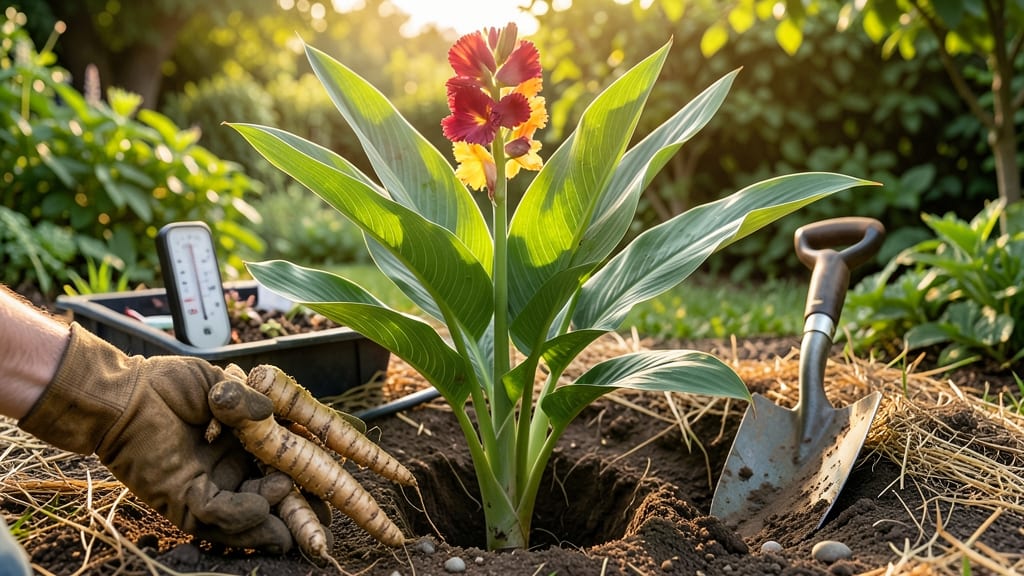
Planting your 🌺 cannas at the wrong time in Kansas could mean the difference between a showstopping garden and a sad, frost-nipped disappointment.
Unlike some plants that shrug off late starts, cannas need warm soil and consistent heat to thrive—and Kansas’ 5b-7a zones throw a curveball with their unpredictable frost dates.
If you’ve ever watched your canna rhizomes sit dormant in cool soil, waiting for the "perfect" moment that never comes, you know how frustrating it can be.
The key isn’t just checking a calendar—it’s reading your soil’s temperature, timing your transplant after the last frost (usually late April to early June), and giving those tropical-looking plants the warm welcome they crave.
I’ve grown cannas in Kansas for years, and I’ve learned the hard way that rushing them out too soon leads to wilting leaves, while waiting too long cuts their blooming season short.
In this guide, I’ll break down the exact frost-free windows for each Kansas zone, plus soil prep tricks to get your cannas off to a fast, healthy start—so you can enjoy those bold, 🌺 rainbow-colored blooms from summer straight through fall.
Whether you’re a first-time canna gardener or a veteran looking to push your planting dates, you’ll walk away knowing exactly when to pop those rhizomes into the ground—and how to keep them thriving until the first frost. Let’s make this your best canna season yet!
Kansas heat zones and their ideal canna planting windows
Kansas spans USDA Hardiness Zones 5b through 8a, creating dramatic differences in frost-free dates and ideal planting windows for cannas. In Zone 5b (northwest Kansas), gardeners face a May 10 average last frost date, while Zone 8a (southeast Kansas) sees frost-free conditions by March 15.
These variations mean your canna planting timeline should shift 6-8 weeks depending on location.
Cannas thrive in warm soil (60°F+) and consistent heat, making them perfect for Kansas summers. However, early varieties like 'Striped' need 120 days to mature, while late bloomers like 'Australia' can stretch to 150 days.
This means Zone 5b gardeners should prioritize early varieties, while Zone 7a+ can experiment with later plantings.
Here’s how to align your planting with Kansas’ frost-free windows and soil temperature thresholds for maximum bloom success:
| USDA Zone | Avg. Last Frost | Soil Temp Threshold | Ideal Planting Window | Early Variety Tip |
|---|---|---|---|---|
| 5b (e.g., Hays) | May 10 | 60°F+ (late May) | May 15–June 1 | Choose 'Pactolus' (90 days) |
| 6a (e.g., Salina) | April 25 | 60°F+ (early May) | May 1–May 15 | 'Durban' (105 days) |
| 6b (e.g., Manhattan) | April 15 | 60°F+ (late April) | April 25–May 10 | 'Cleopatra' (120 days) |
| 7a (e.g., Wichita) | March 25 | 60°F+ (early April) | April 10–April 25 | 'Australia' (135 days) |
| 8a (e.g., Pittsburg) | March 15 | 60°F+ (late March) | March 25–April 10 | 'Tropicanna' (150 days) |
For Zone 5b-6a, I recommend starting canna rhizomes indoors in late March under grow lights to give them a 4-6 week head start. Harden them off by early May, then transplant after the May 10 average last frost date.
In Zones 7a-8a, you can plant directly outdoors as early as April 1, but monitor nighttime temperatures—cannas wilt below 50°F.
Pro tip: Use a soil thermometer to confirm readiness—cannas won’t thrive until soil hits 60°F. In Zone 5b, this often means waiting until late May, even if frost risk drops earlier. Clay-heavy Kansas soils also retain cold longer, so amend with compost to warm up faster.
If you’re in Zone 7a or warmer, you can push the envelope with late plantings (June 1), but expect smaller blooms and less vigor. Cannas planted after June 15 rarely bloom before Kansas’ first frost (October 15).
For container gardeners, black pots absorb heat faster—ideal for extending the season in cooler zones.
Signs your Kansas soil is ready for cannas (beyond the calendar)
Checking your local frost date is a great start, but cannas need more than just frost-free nights—they demand warm soil to thrive. In Kansas, where clay-heavy soils dominate and temperatures swing wildly, relying on a calendar alone can lead to stunted growth or even plant failure.
The real secret? Monitoring soil temperature and moisture levels to ensure your cannas get the perfect tropical welcome.
I’ve learned the hard way that even if the air feels warm enough, cool soil can stall canna growth for weeks. That’s why I now use a combination of soil thermometers, DIY moisture tests, and even the old potato spud trick to confirm my soil is ready.
These methods help me avoid the heartbreak of watching my cannas sit dormant while the summer slips away.
For container gardeners, the rules are slightly different—pots heat up faster, but they also dry out quicker. If you’re growing cannas in containers, you’ll need to adjust your planting timeline and watering schedule to match the unique conditions of your pots.
Let’s dive into the exact signs your Kansas soil is ready for cannas, so you can get those rhizomes in the ground at the perfect moment.
Kansas’ clay soils stay cold long after the last frost. Planting cannas when the air is warm but the soil is below 60°F will cause rhizomes to rot. Always check soil temperature 2-3 inches deep—this is the zone where canna roots will grow.
If your thermometer reads below 60°F, wait at least 1-2 weeks for the soil to warm naturally.
Pro Tip: Use black plastic mulch or dark-colored containers to speed up soil warming by 1-2 weeks in cooler zones.
Your first clue that soil is ready? The soil temperature should consistently stay above 60°F (15°C) for at least 5-7 days. This threshold ensures canna rhizomes will sprout quickly rather than sitting dormant.
Grab a soil thermometer (they’re cheap and worth it!) and check the temperature in the late afternoon—this is when soil is warmest and gives you the most accurate reading.
If you don’t have a thermometer, try the potato spud method: Dig a small hole, place a raw potato in it, and cover it back up. After 24 hours, dig it up.
If the potato is soft and starting to sprout, your soil is warm enough. If it’s still firm, wait another week. This old-school trick works surprisingly well and costs nothing!
For Kansas gardeners dealing with clay-heavy soil, amending your beds with compost or sand before planting can make a huge difference. Clay soils hold moisture but struggle to warm up, which is why cannas often languish in them.
Mix in a 2-3 inch layer of compost or coarse sand to improve drainage and warmth retention. If you’re planting in containers, use a well-draining potting mix with added perlite to prevent waterlogging.
Finally, pay attention to moisture levels. Cannas love consistent moisture but hate soggy soil. Stick your finger 2 inches deep—if the soil feels dry, it’s time to water.
In Kansas’ unpredictable weather, container-grown cannas may need daily watering during heatwaves, while in-ground plants can often go 5-7 days between waterings once established.