
Plants
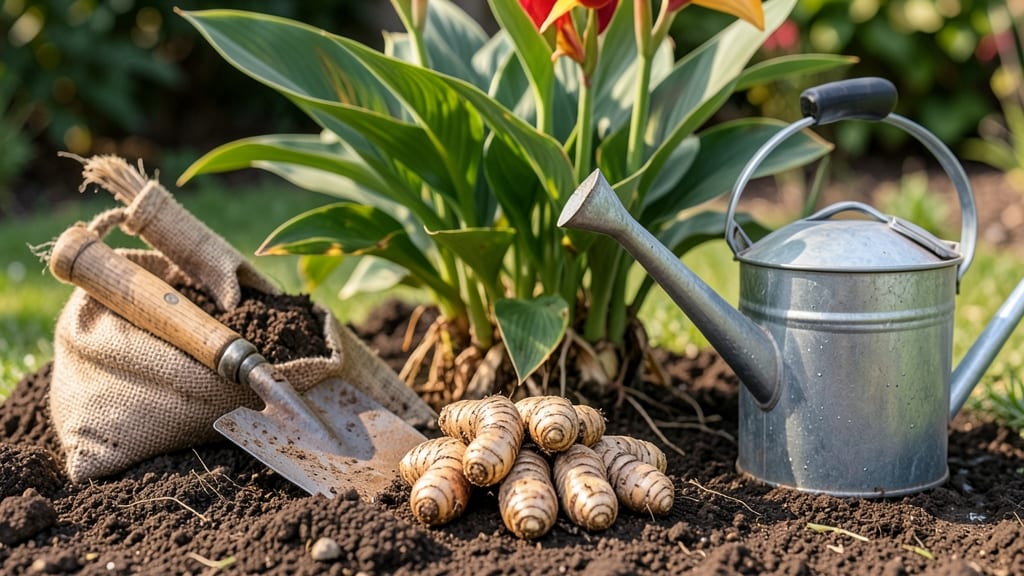
Planting your 🌺 cannas at the wrong time in Oklahoma can mean the difference between a showstopping summer display and a sad, wilted mess by July.
The key isn't just waiting for spring—it's timing it perfectly after the last frost when soil temperatures hit that sweet spot of 60°F or warmer.
I've learned the hard way that rushing cannas into the ground too early—before Oklahoma's unpredictable April frosts have truly passed—leaves them vulnerable to cold snaps. But waiting too long risks exposing them to the state's brutal summer heat, which can stress even the hardiest tubers.
This is where local knowledge becomes your secret weapon. Whether you're in USDA Zone 6b or 7a, the ideal window stretches from late April through early June, but there are critical adjustments you need to make based on your specific microclimate.
Let me walk you through exactly how to read your soil's readiness signals, when to adjust for Oklahoma's urban heat islands, and how to give your cannas the best possible start—so you're enjoying those dramatic 🌺 blooms from mid-summer right through fall.
Ideal planting windows for cannas in Oklahoma’s climate zones
Oklahoma’s diverse climate—from the cooler northern regions to the intense heat of the south—means cannas thrive best when planted at the right time. In USDA zones 6b-7a, timing isn’t just about avoiding frost; it’s about soil temperature and heat stress management.
Northern Oklahoma’s last frost typically hits around April 15, while southern areas can push planting into early June without risk.
Cannas demand soil temperatures above 60°F to sprout successfully. Planting too early in cold soil can stunt growth, while late planting risks heat shock during Oklahoma’s brutal summers. Urban heat islands add another layer—cities like Oklahoma City can be 5-10°F warmer than rural areas, altering your ideal window.
Here’s how to align your planting with Oklahoma’s microclimates:
| Region | USDA Zone | Last Frost Date | Ideal Planting Window | Soil Temp Threshold | Notes |
|---|---|---|---|---|---|
| Northern OK (e.g., Tulsa, Norman) | 6b | April 15 | Late April–May 10 | 60°F+ | Use row covers if frost lingers |
| Central OK (e.g., Oklahoma City) | 7a | April 1 | Mid-April–May 20 | 60°F+ | Urban areas may need shade cloth |
| Southern OK (e.g., Lawton, Ardmore) | 7b | March 15 | Late March–June 1 | 60°F+ | Plant early to avoid summer heat |
| Urban Heat Islands (e.g., OKC, Tulsa) | 6b-7a | April 15 | May 1–June 1 | 65°F+ | Prioritize afternoon shade |
For northern Oklahoma, aim to plant rhizomes after April 15 when soil warms to 60°F. Use a soil thermometer to confirm—cold soil delays sprouting. In central Oklahoma, you have a wider window, but late April is ideal to avoid summer’s intensity.
Southern regions can start as early as late March, but be cautious of heat stress if planting too late.
Urban gardeners face unique challenges due to heat islands. Cities like Oklahoma City can experience 10°F warmer soil than rural areas, so delay planting until May 1 or later.
Use black plastic mulch to warm soil faster if you’re eager to start earlier. This also suppresses weeds and retains moisture—critical during Oklahoma’s dry spells.
If you’re unsure about your exact frost date, check the Oklahoma Mesonet for localized data. Their frost-free guarantees are updated annually and account for microclimates. For example, Tulsa’s last frost might be April 20, while Norman’s could be April 10—even though they’re close in distance.
Pro tip: Plant canna rhizomes 2-3 inches deep and space them 12-18 inches apart. This depth ensures roots establish before summer heat hits.
In USDA zone 7a, like Oklahoma City, you can push planting to early June if you use drip irrigation and shade cloth during peak afternoon heat.
Watch for heat stress signs like yellowing leaves or wilting—these indicate it’s time to adjust watering or provide shade. Cannas are tough, but Oklahoma’s
Signs your Oklahoma soil is ready for cannas (and what to do if it’s not)
Cannas thrive in Oklahoma’s heat once the soil warms up—but timing is everything. Planting too early means stunted growth, while waiting too long risks heat stress. The key is checking three critical soil conditions: temperature, moisture retention, and pH balance.
If your soil fails these tests, don’t panic—simple fixes like mulch or row covers can bridge the gap until conditions improve.
Start by testing your soil temperature with a probe or by pressing your hand into the ground. If it feels cooler than 60°F (15°C), your cannas will struggle to establish roots.
Northern Oklahoma gardeners often face this challenge, as cooler spring nights delay soil warming. Meanwhile, southern regions may need to plant earlier to avoid summer’s brutal heat waves.
Here’s your quick checklist to determine soil readiness:
- 1. Soil Temperature: Use a soil thermometer—ideal planting temp is 60°F+ (15°C+). If below, wait 1-2 weeks or use black plastic mulch to warm soil faster.
- 2. Moisture Test: Dig a hole, fill it with water, then check how quickly it drains. Cannas need well-draining but moisture-retentive soil. If water pools, amend with compost or perlite.
- 3. pH Check: Cannas prefer slightly acidic to neutral soil (6.0–7.0). Test with a kit—if too alkaline, mix in peat moss or sulfur. Avoid over-acidifying, which harms root growth.
- 4. Frost Risk: Confirm last frost date (late April for most of OK). Plant 2 weeks after to account for late cold snaps. Northern OK? Use row covers for early starts.
- 5. Heat Tolerance: If planting in June+, prioritize shade cloth (30–50%) and deep watering to prevent transplant shock. Southern OK can plant earlier (April) with mulch.
If your soil is too cold, don’t rush—cannas won’t thrive. Instead, pre-warm the soil by covering beds with black plastic mulch 2–3 weeks before planting. This raises temperatures by 5–10°F and speeds up root growth.
For northern Oklahoma, consider starting tubers indoors in late March under grow lights, then transplant after Memorial Day.
For pH adjustments, act gradually. If your soil tests above 7.0, work in 1 part peat moss to 3 parts soil and re-test in 2 weeks. Over-correcting can lock out nutrients. Never plant cannas in clay-heavy soil—amend with compost and sand to improve drainage.
Poor drainage leads to root rot, which is fatal for these tropical beauties.
Once your soil passes these tests, plant rhizomes 2–3 inches deep and space them 12–18 inches apart. Water deeply to settle the soil, then mulch with straw or wood chips to retain moisture.
In Oklahoma’s Zone 7a, this timing ensures peak blooms by July—just in time for your garden’s summer showcase!