
Plants
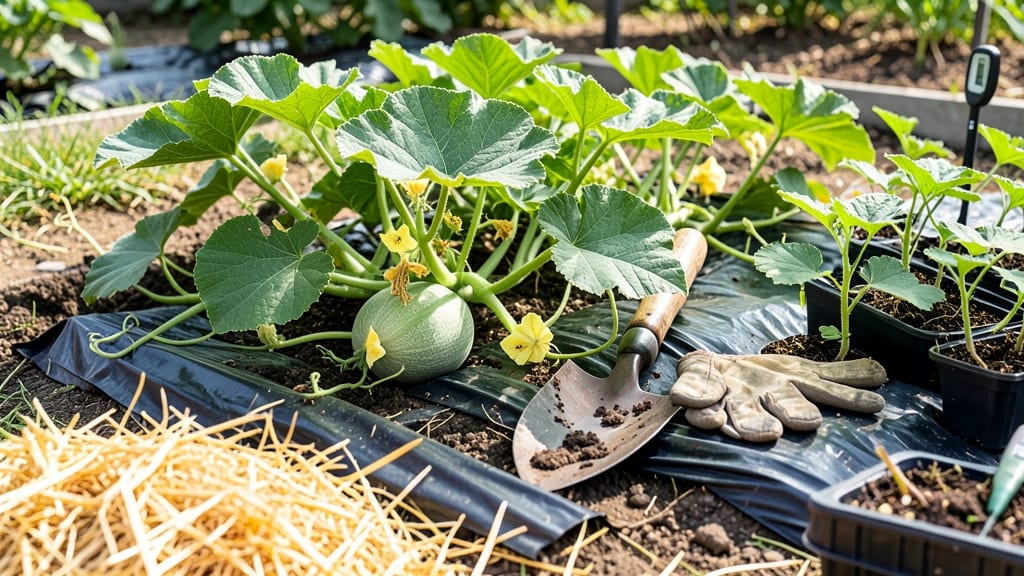
Planting cantaloupe in Georgia isn't just about sticking seeds in the ground—it's about catching that perfect window between frost and scorching heat to unlock sweet, ripe 🍈 harvests. Too early, and a late frost will wipe out your vines; too late, and you’ll miss the summer heat they crave.
The key lies in those mid-April to early June deadlines, when soil temperatures finally hit 70°F and danger of frost has passed.
Most Georgia gardeners swear by direct sowing after the last frost, but transplants can give you a head start in 7b-8b zones. Whether you choose seeds or starters, spacing matters—give those vines room to sprawl (3-6 feet!) and pair them with basil or radishes to keep pests at bay.
The payoff? Juicy, vine-ripened cantaloupes ready by July, just in time for Georgia’s peak heat.
Here’s the game-changer: your exact planting date depends on where you live in the state. Coastal areas can start earlier, while inland spots near Atlanta might need to wait until late April.
We’ll break down the science—soil temps, frost dates, and heat zone maps—to help you nail the timing for maximum yield without the guesswork.
Ready to grow cantaloupes that taste like summer? Let’s dive into the step-by-step schedule that’ll turn your Georgia garden into a 🍈 paradise—no more wasted seeds or half-ripe disappointments.
Georgia’s best planting windows for cantaloupe by heat Zone
Georgia’s USDA zones 7a-8b create perfect conditions for cantaloupe, but getting the timing right ensures sweet, abundant harvests. Cantaloupe thrives in warm soil (70°F+) and long summer days, so planting too early risks frost damage, while late planting may yield smaller fruit.
Let’s break down the optimal planting windows for each zone to maximize your yield.
Most Georgia gardeners focus on direct seeding after the last frost, but starter plants can give you a head start in cooler northern zones (7a-7b). The key is waiting until soil temperatures consistently stay above 60°F—cantaloupe seeds won’t germinate in cooler soil.
For southern Georgia (8a-8b), you’ve got more flexibility, but even here, early starts can suffer from spring heat stress.
Here’s a zone-by-zone breakdown of when to plant cantaloupe in Georgia, including last frost dates, soil temperature thresholds, and whether to use transplants or direct sow. This ensures your vines establish strong roots before Georgia’s scorching summer heat sets in.
In USDA Zone 7a (northern Georgia), where frosts linger until mid-April, I recommend starting cantaloupe seeds indoors in late March or using transplants from nurseries after April 1.
The soil must be at least 70°F for seeds to germinate—use a soil thermometer to check. For direct sowing, wait until May 1 to avoid frost risks.
Zone 7b gardeners have a slightly earlier window, with last frosts around April 1. This means you can direct sow seeds from April 15 to May 1 or transplant hardened-off seedlings as early as March 20.
I’ve found that black plastic mulch speeds up soil warming by 5-10°F, letting you plant sooner. For best results, pair this with drip irrigation to maintain moisture.
Southern Georgia’s Zones 8a and 8b offer the most flexibility, with last frosts as early as February 28. Here, you can direct sow cantaloupe seeds from late February through April, even making two plantings for a staggered harvest.
In my Zone 8b garden, I’ve successfully planted every 2 weeks from February 28 to April 1, ensuring fruit ripens from June through September.
For all zones, avoid planting cantaloupe before soil temperatures hit 60°F—seeds may rot or fail to sprout. Use a clear plastic tunnel or row covers in Zone 7a to extend the season.
In Zone 8b, where summers are intense, focus on shade cloth for young plants to prevent heat stress before they establish roots.
One pro tip I’ve learned: Plant cantaloupe after warm-season crops like onions or peas have been harvested. This rotates nutrients and reduces pest pressure. Also, space vines 3-5 feet apart—cantaloupe spreads aggressively, and crowding leads to poor air circulation and disease.
Timing isn’t just about frost—it’s also about heat tolerance. Cantaloupe bolts (goes to seed) in extreme heat, so in Zone 8b
How to adjust planting for Georgia’s microclimates and soil conditions
Georgia’s diverse landscapes—from Atlanta’s urban pockets to the sandy coastal plains—create microclimates that demand smart adjustments for cantaloupe success. In rural areas, where nights stay cooler, start seeds indoors by mid-March and transplant after April 15.
Meanwhile, urban gardeners in concrete jungles often face heat islands, so opt for shade cloth during peak summer to prevent bolting.
Soil type plays an equally critical role. Sandy soils drain too quickly, while clay-heavy areas hold excess moisture—both can stress cantaloupe roots. Amend your beds with 2-3 inches of compost or aged manure before planting to create that loamy ideal.
For clay soils, mix in coarse sand or perlite to improve aeration.
Here’s the catch: even after the last frost, late-season chills can still sneak in. Use black plastic mulch to warm soil by 10-15°F and protect young plants. Lay it down 2-3 weeks before planting—it’ll also suppress weeds and retain moisture.
⚠️ callout-warningEven in USDA zones 7b-8b, late frosts can hit northern Georgia (e.g., Athens, Dalton) as late as April 20-25. If you’re planting in May, use row covers for the first 2-3 weeks to shield seedlings. For coastal areas (Savannah, Brunswick), frost is rare after March 15, so you can plant 2 weeks earlier than inland zones.
💡 Pro Tip: Monitor soil temps with a probe—cantaloupe seeds need 70°F+ to germinate. If your soil’s cooler, wait or use a seedling heat mat.
For sandy soils, water deeply every 2-3 days and mulch with straw to prevent moisture loss. In clay soils, improve drainage by mounding soil into ridges before planting. This raises roots above waterlogged zones and speeds warming in spring.
Extend your season with seasonal adjustments: Plant a second crop in late June for a fall harvest, using fast-maturing varieties like ‘Hale’s Best’ (70 days). In high-altitude areas (e.g., Blue Ridge Mountains), start seeds indoors by early April and harden off plants before transplanting after May 1.
Remember: cantaloupes thrive in heat and humidity, but they hate waterlogged roots. If your soil stays soggy after rain, create raised beds or plant on slopes to improve drainage. With these tweaks, you’ll turn Georgia’s tricky conditions into your cantaloupe’s perfect growing playground. 🌱