
Plants
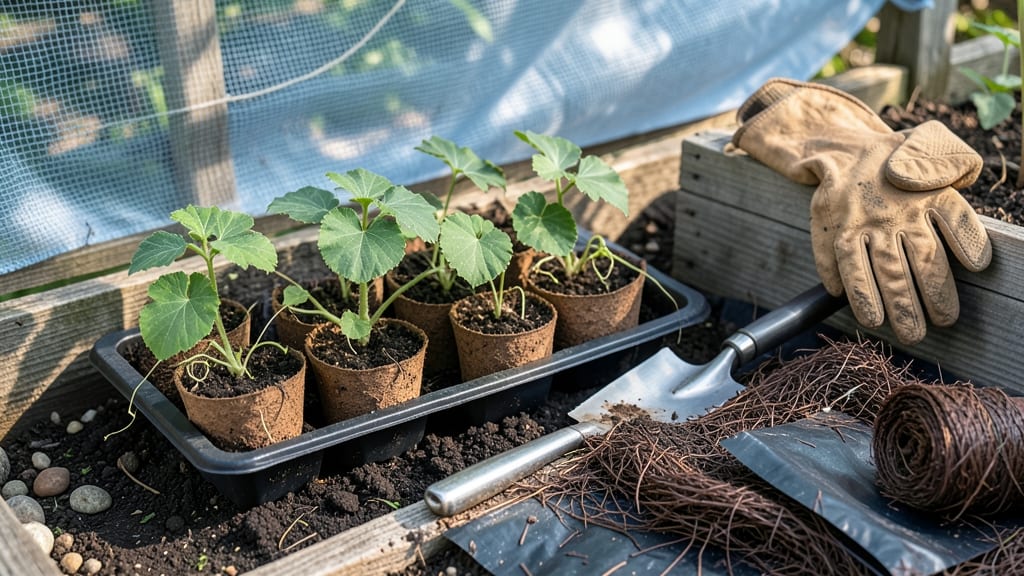
Planting cantaloupe in Indiana at the wrong time means either frost-nipped vines or melons that never fully ripen before summer fades. The key to success lies in knowing exactly when to get those seeds in the ground—because cantaloupe 🍈 thrives only when the soil warms up and stays that way.
For Indiana gardeners in USDA Zone 6a, timing matters more than you might think. Plant too early, and a late frost will wipe out your young plants before they even take root.
Too late, and your harvest might arrive just as the first cool snap arrives. The sweet spot? Wait until after your last frost date—typically around mid-April to mid-May—but don’t rush it.
In this guide, I’ll break down the exact weeks before your last frost to start seeds indoors or outdoors, along with soil temperature tips and regional adjustments for northern vs. southern Indiana. You’ll also discover how to prep your soil and choose companion plants to maximize your cantaloupe’s potential.
Ready to grow cantaloupes that are sweet, ripe, and ready to harvest before fall sets in? Let’s get started with the perfect planting schedule for your Indiana garden.
Indiana’s last frost dates and ideal cantaloupe planting weeks
Indiana’s USDA Zones 5-6 create a unique challenge for growing cantaloupe—the warm-season crop thrives only after soil temperatures hit 70°F (21°C) and nighttime lows stay above 55°F (13°C).
In northern Indiana, the last frost date typically falls around April 15, while southern Indiana sees it 2-3 weeks earlier. Planting too soon risks frost damage, but delaying too long cuts harvest time short.
For maximum yield, I’ve broken down the ideal planting windows based on Indiana’s regional climate. Northern Indiana gardeners should aim for mid-May outdoor planting, while southern Indiana can start 2-3 weeks earlier.
Indoor seed-starting offers flexibility, but even then, timing is critical to avoid transplant shock when moving plants outdoors.
Here’s how to align your cantaloupe planting with Indiana’s frost patterns and soil readiness for a bumper crop:
| Region | Last Frost Date | Indoor Seed Start | Outdoor Planting | Soil Temp Threshold |
|---|---|---|---|---|
| Northern Indiana (Zone 5) | April 15 - May 1 | March 15 - April 1 | May 15 - May 31 | 70°F+ (21°C+) |
| Southern Indiana (Zone 6) | April 1 - April 15 | March 1 - March 15 | April 20 - May 10 | 70°F+ (21°C+) |
| Both Regions | First Frost: Oct 15 | N/A | Harvest by Sept 1 | Night temps >55°F (13°C) |
Northern Indiana’s cooler climate demands patience—wait until mid-May to plant outdoors, even if your neighbors start earlier. The soil temperature is the true indicator: use a soil thermometer to confirm it’s consistently above 70°F (21°C) before planting.
Southern Indiana’s earlier frost dates let you start 3-4 weeks ahead, but don’t rush—cantaloupe needs warmth to thrive.
For indoor seed-starting, begin 4-6 weeks before your region’s last frost date. Northern Indiana gardeners should start seeds by March 15, while southern Indiana can begin as early as March 1.
Use biodegradable pots to avoid transplant shock when moving seedlings outdoors. Harden off plants for 7-10 days before transplanting to toughen their stems.
Regional variations matter: Northern Indiana’s shorter growing season (about 165 frost-free days) favors early-maturing varieties like ‘Hale’s Best’ or ‘Ambrosia’, which produce fruit in 70-80 days. Southern Indiana’s longer season lets you try ‘Athena’ or ‘Crimson Sweet’, which develop sweeter flavors with more time to ripen.
Protect young plants with row covers if late frosts threaten after transplanting. Remove covers during the day to prevent overheating and ensure proper pollination. Cantaloupe vines need 6-8 hours of full sun daily, so choose a southern exposure site with well-draining soil.
Amend heavy clay soil with compost or sand to improve drainage—cantaloupe hates soggy roots.
Monitor weather forecasts in late April to adjust your planting timeline. If a late frost is predicted, delay outdoor planting by 1-2 weeks or use black plastic mulch to warm the soil faster.
In southern Indiana, you might even squeeze in a second planting in early July for a late-summer harvest, though yields will be smaller.
Remember: cantaloupe needs 70-90 days to mature, so plan your harvest before Indiana’s first frost (October 15). If your plants are still flowering by mid-September, consider extending the season with a cold frame or greenhouse.
With precise timing and regional adjustments, you’ll enjoy homegrown cantaloupe at its peak sweetness—just in time for summer’s end.
Step-by-step cantaloupe planting schedule for Indiana’s climate
Cantaloupe plants 🍈 are finicky about timing—get it right, and you’ll enjoy sweet melons by mid-summer; get it wrong, and you’ll waste seeds or miss the harvest window.
In Indiana’s USDA Zone 6a, where last frost typically arrives around April 15, your planting schedule must account for both soil warmth and frost-free days. The key is waiting until the soil temperature hits at least 70°F (21°C) and nighttime temps stay above 55°F (13°C).
Northern Indiana gardeners (e.g., near South Bend) should err on the side of caution, while those in southern Indiana (e.g., near Evansville) can plant slightly earlier. Below is your Indiana-specific planting roadmap, from seeds to soil, with actionable steps to ensure a thriving cantaloupe patch.
- Weeks 8-10 Before Last Frost (Early March): Start seeds indoors under grow lights. Use biodegradable pots to avoid transplant shock. Ideal soil mix: 50% peat moss, 30% perlite, 20% compost.
- Weeks 4-5 Before Last Frost (Late March): Harden off seedlings by placing them outdoors in partial shade for 2-3 hours daily. Gradually increase exposure to full sun over 7-10 days.
- 2 Weeks Before Last Frost (Early April): Test soil temperature with a soil thermometer. If below 60°F (15°C), delay planting or use black plastic mulch to warm the soil faster.
- After Last Frost (Mid-April to Early May): Transplant seedlings 1-2 inches deep, spacing them 2-3 feet apart in rows 5-6 feet apart. Plant in mounds or hills for better drainage.
- Weeks 1-2 After Transplanting (Late May): Apply mulch (straw or grass clippings) to retain moisture and suppress weeds. Water at the base of plants in the morning to prevent fungal diseases.
- June-July (Flowering/Fruiting Stage): Fertilize with 10-10-10 balanced fertilizer when vines begin to run. Hand-pollinate flowers by gently shaking vines on mild, sunny mornings.
- July-August (Harvest Time): Harvest when the fruit slips easily from the vine and the stem end turns creamy yellow. Use a sharp knife to avoid damaging vines.
Companion planting can boost your cantaloupe’s success. Pair them with bush beans or corn to improve soil nitrogen, but avoid planting near potatoes or squash, which compete for nutrients.
In Indiana’s climate, cantaloupes need 6-8 hours of full sun daily, so choose a southern exposure spot with well-draining soil.
Pro tip: If your summer heatwave arrives early, opt for heat-tolerant varieties like ‘Athena’ or ‘Hale’s Best.’ These handle Indiana’s 90°F+ days better than standard types. Monitor soil moisture—drought stress can cause bitter fruit, so aim for 1-2 inches of water weekly.
By following this schedule, you’ll avoid the two biggest mistakes Indiana gardeners make: planting too early (risking frost) or too late (missing the harvest window). With the right timing, your cantaloupe vines will thrive, and you’ll enjoy homegrown sweetness by mid-summer! 🌱