
Plants
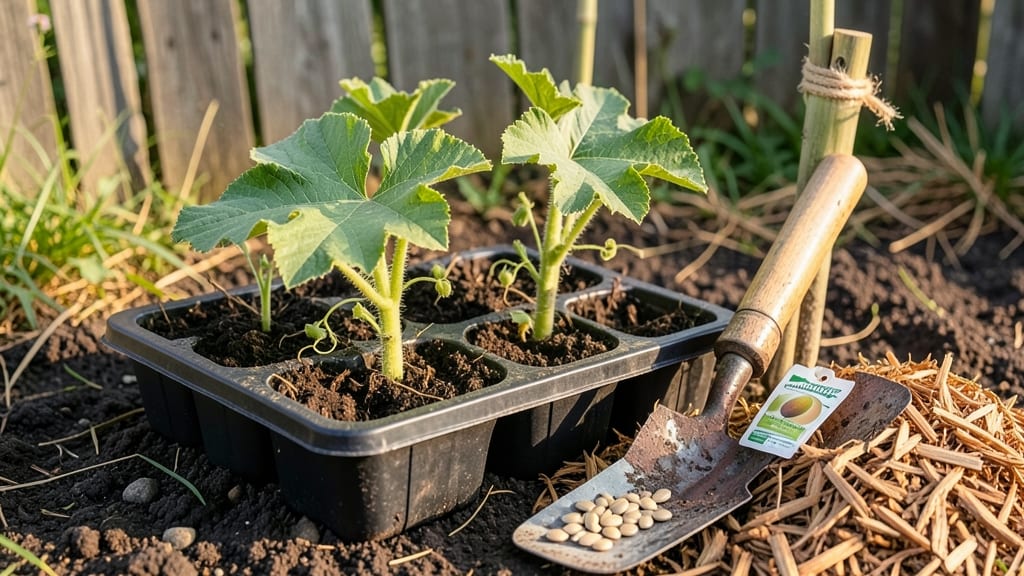
If you're dreaming of juicy, sweet cantaloupe 🍈 straight from your Florida garden, timing your planting is the key to success.
Florida's frost-free climate gives you two perfect windows to grow this summer favorite, but planting too early or late can leave you with bitter fruit—or worse, no harvest at all.
Most gardeners in Florida's 9a-11 zones know the struggle: too much heat too soon can stress young plants, while waiting too long might cut your harvest short.
The secret lies in understanding your microclimate—whether you're in the humid north or the steamy south—and choosing the right heat-tolerant varieties that thrive in Florida's summer extremes.
I've grown cantaloupe in Florida for years, and what I'm about to share will help you avoid common mistakes that waste time and effort.
From the exact months to plant for maximum sweetness to how to extend your growing season, you'll learn everything you need to turn your garden into a cantaloupe paradise.
Let's dive into the ideal planting months that will give you a bountiful harvest—no guesswork required. Your taste buds (and your neighbors) will thank you!
Best planting months for cantaloupe in Florida’s climate zones
Cantaloupe thrives in Florida’s heat, but timing your planting months is critical for success. Unlike northern states, Florida’s frost-free zones (9a-11) allow two distinct planting windows: spring and fall. However, each region—North, Central, and South—has unique soil temperature thresholds and heat tolerance considerations that can make or break your harvest.
In North Florida (zones 8a-9a), where rare light frosts can still occur in January, your best bet is to start seeds indoors in early March and transplant after the last frost (typically mid-April).
For Central Florida (zones 9b-10a), you’ve got flexibility: sow seeds directly in late February to early March for spring or July to early August for fall.
Meanwhile, South Florida (zones 10b-11) gardeners can plant year-round, but the ideal months are June and July for summer harvests or September for fall. The key is ensuring soil temperatures stay above 70°F (20°C)—cantaloupe seeds won’t germinate below this threshold, even in Florida’s warmth.
Soil temperature is your best indicator for planting. Use a soil thermometer to confirm it’s consistently above 70°F before sowing seeds. In North Florida, this usually aligns with late April to early May, while Central and South Florida can start earlier, as early as March.
If you’re aiming for a spring harvest, start seeds indoors 4-6 weeks before your last frost date (or direct-sow when soil warms). For fall cantaloupes, plant seeds in July to beat the late-summer heat and avoid hurricane season disruptions.
In South Florida, where humidity is relentless, opt for disease-resistant varieties like ‘Athena’ or ‘Hale’s Best’ to combat powdery mildew.
Pro tip: Use black plastic mulch to raise soil temperatures faster and suppress weeds. This is especially helpful in North Florida, where cooler springs delay germination. For Central and South Florida, focus on shade cloth during peak summer (August-September) to protect young plants from intense afternoon sun.
One common mistake is assuming Florida’s heat is uniform. North Florida’s spring nights can still dip into the 50s°F (10-15°C), slowing vine growth. In contrast, South Florida’s summer heat (90°F+ or 32°C+) can stress plants if they’re not well-watered.
Always monitor leaf color: yellowing indicates nutrient deficiencies or overwatering, while wilting signals heat stress.
For container growers, large pots (15+ gallons) with drainage holes are a must. Cantaloupe vines spread 3-5 feet, so place containers near a trellis or fence to save space.
In North Florida, overwinter containers in a sheltered spot to protect roots from unexpected cold snaps, though true frost is rare.
Finally, don’t overlook pollination. Cantaloupes rely on bees for fruit set. If your garden lacks buzzing visitors, hand-pollinate flowers with a small paintbrush in the morning. This is especially critical in urban areas where bee populations may be lower.
Heat-tolerant cantaloupe varieties that thrive in Florida heat
Florida’s summer heat can be brutal on cantaloupes, but the right varieties can turn your garden into a sweet, juicy success. The key is selecting heat-resistant types that mature quickly and handle high temperatures without wilting.
I’ve grown these varieties myself and can confidently recommend them for Florida’s USDA Zones 9a-11.
When choosing cantaloupe varieties, focus on disease resistance and fast maturity. Florida’s humidity and heat create perfect conditions for powdery mildew and vine decline, so varieties like ‘Athena’ and ‘Hale’s Best Jumbo’ are top performers.
These types also handle poor soil drainage better than traditional varieties, which is a bonus in Florida’s heavy clay soils.
When to Plant Cantaloupe in Florida
• Plant after soil reaches 70°F+
• Use black plastic mulch to warm soil
• Choose July-August for fall harvest
• Plant before mid-March (risk of heat stress)
• Overcrowd plants (3-5 ft spacing needed)
• Ignore drainage (root rot risk)
Let’s dive into the top 5 heat-tolerant varieties that thrive in Florida’s climate. ‘Athena’ is my personal favorite—it matures in just 75 days and handles 90°F+ temperatures like a champ. Its disease resistance makes it perfect for Florida’s humid summers, and the fruit stays sweet even in the hottest months.
For larger harvests, ‘Hale’s Best Jumbo’ delivers 3-5 lb fruits in 80 days, though it needs slightly more watering attention.
If you’re short on space, ‘Tasty Bite’ is a compact variety that produces smaller, sweet fruits in just 70 days. It’s ideal for container gardening or small plots, and its vines stay contained, making it easier to manage in Florida’s intense heat.
For organic gardeners, ‘Ambrosia’ is a standout—it’s disease-resistant and thrives without chemical treatments, perfect for Florida’s pest-prone environment.
The final variety, ‘Caravelle’, is a French heirloom that’s extremely heat-tolerant and produces muskmelon-sized fruits in 85 days. It’s a bit slower to mature but rewards you with intense flavor and thick rinds that resist cracking in Florida’s heat.
All five varieties handle high humidity well, but ‘Athena’ and ‘Tasty Bite’ are the easiest for beginners.
When selecting your variety, consider your harvest timeline and garden space. For a quick turnaround, ‘Tasty Bite’ or ‘Athena’ are best. If you want larger fruits and don’t mind waiting, ‘Hale’s Best Jumbo’ or ‘Caravelle’ are excellent choices.
And remember—mulch heavily and water deeply to keep these varieties thriving in Florida’s punishing heat. 🍈